TLDR
- The white-faced tree rat (Echimys chrysurus) eats mostly plant material: fruit and foliage.
- It adds arthropods, mainly insects, to that base.
- It forages at night in the middle and upper canopy of lowland rainforest in northeastern South America.
- Detailed diet data is thin. Nobody has published a seasonal breakdown for this species.
What the white-faced tree rat diet looks like
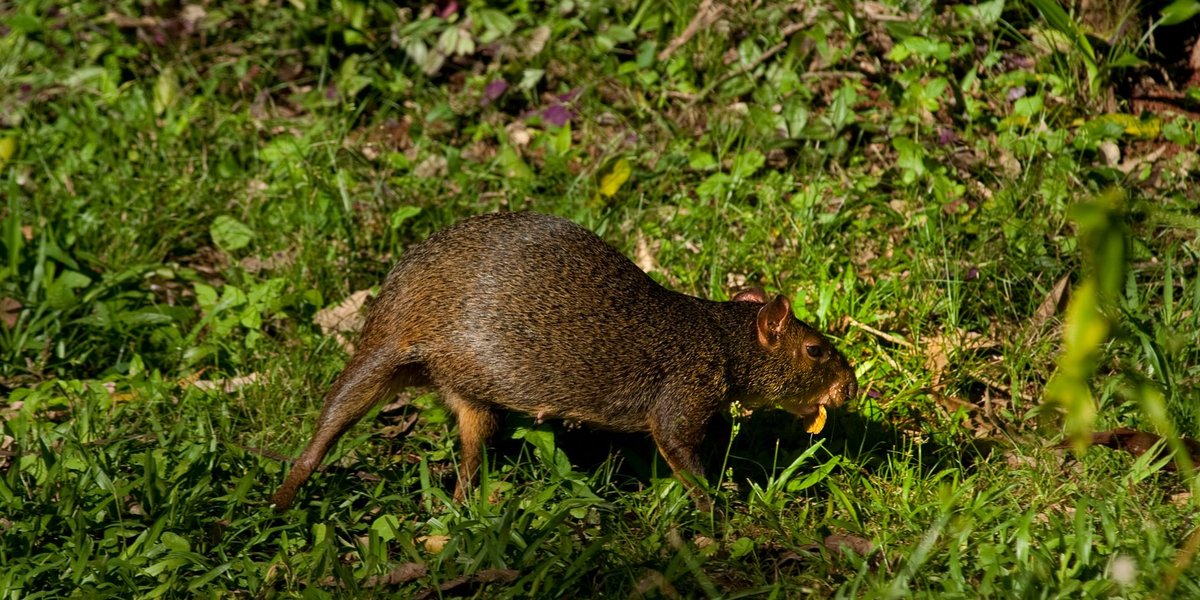
The white-faced tree rat eats fruit, leaves and some insects. That’s the whole documented answer, and it comes from species accounts like the Animal Diversity Web at the University of Michigan, which covers the genus Echimys. Plants make up most of the menu. Arthropods fill in the protein.
You’ll see this animal called the white-faced spiny tree-rat in field guides. Same species, same diet. The “spiny” part refers to stiff, flattened hairs mixed into the fur on its back, which is why it isn’t quite the soft rodent the word “rat” suggests.
What it eats: fruit, leaves, insects
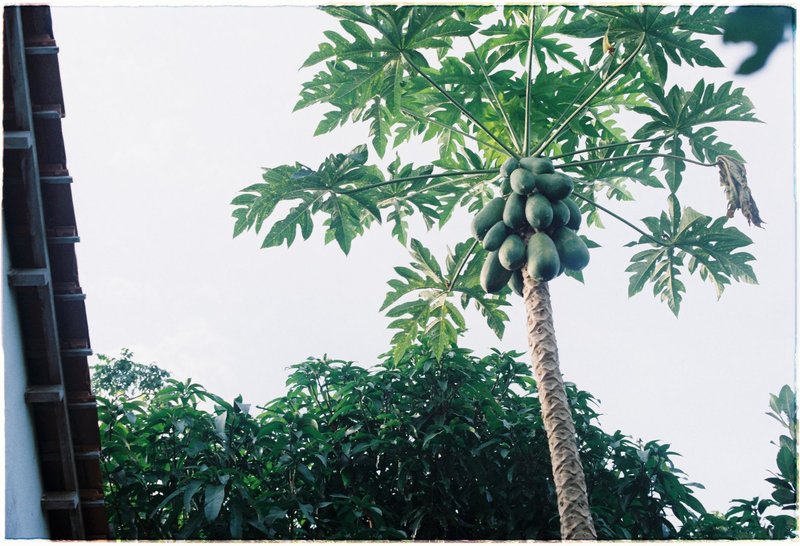
Fruit. Fruit is the headline item. Ripe fruit is calorie-dense, and a nocturnal climber that moves slowly through the branches can reach it without competing with much of the daytime fruit-eating crowd. The sources don’t name specific fruits, so any list of “favorite species” you find online is guesswork.
Foliage. Leaves add bulk and fiber. They’re lower in energy than fruit but available all year, which matters in a forest where fruiting is patchy. This is the usual pattern for canopy rodents, though no study has measured how much of the diet is leaves for this particular species.
Insects and other arthropods. Accounts describe the animal-based part of the diet as mainly arthropods. That means beetles, caterpillars and similar prey are plausible, but the records stop at the group level. It’s a supplement, not the main course.
Where it forages

The white-faced tree rat lives in lowland rainforest, from sea level up to about 200 meters. Its range covers Brazil, Guyana, Suriname and French Guiana, according to the Mammal Diversity Database. Within that forest it stays in the middle and upper canopy, which is where its food is: fruiting branches and fresh leaves.
It’s arboreal and nocturnal. Daytime is for resting in tree holes and dense cover. After dark it moves through the branches slowly and deliberately, a tail longer than its body (about 120% of head-and-body length) helping it balance.
Where it fits in the food web
Eating fruit and leaves puts the tree rat low on the food chain, and it pays for that. Predators recorded for the species include the ornate hawk-eagle, the spectacled owl, the ocelot and opossums. Two of those hunt by day or dusk, two by night. A slow-moving canopy animal has few places to hide from all of them, which probably explains the rest-by-day habit and the dense cover.
Fruit eaters in tropical forests often move seeds around as they feed. Whether this species disperses seeds in any meaningful way hasn’t been tested, so treat that as an open question.
Quick facts
| Scientific name | Echimys chrysurus |
| Family | Echimyidae (spiny rats) |
| Weight | Up to about 760 g |
| Tail | About 120% of body length |
| Activity | Nocturnal, arboreal |
| Habitat | Lowland rainforest canopy, up to about 200 m |
| Range | Brazil, Guyana, Suriname, French Guiana |
| Diet | Fruit, foliage, arthropods |
| Conservation status | Least Concern |
Not to be confused with other “tree rats”
The name causes mix-ups. The Namibian tree rat (Thallomys paedulcus) lives in African savanna and eats acacia leaves and bark. That’s a different animal on a different continent with a very different diet. The bushy-tailed woodrat is a North American species. Neither is closely related to Echimys.
Within its own genus, the white-faced tree rat has close relatives, including the dark tree rat and the speckled tree rat. They share the spiny coat and the rainforest canopy lifestyle. Diet data for them is similarly sparse, so it’s reasonable to expect broadly similar habits, but that’s an inference rather than a recorded fact.
Family-wise, spiny rats (Echimyidae) aren’t true rats at all. They belong to the group of South American rodents that includes guinea pigs and capybaras.
What we don’t know
Honest answer: not much beyond the basics. The species is rarely studied. There’s no published seasonal diet data, no stomach-content breakdown by percentage, and no list of plant species it prefers. Anything more precise than “fruit, foliage and arthropods” goes past what the research supports.
The conservation picture is reassuring. The IUCN Red List rates the species Least Concern. But a low-risk label and a thin research record often go together, because animals that aren’t in trouble rarely get funded studies.
FAQ
Are white-faced tree rats herbivores? Mostly, but not strictly. Fruit and leaves dominate the diet, with arthropods added. That makes it an omnivore leaning heavily toward plants.
Do white-faced tree rats eat insects? Yes. Sources list arthropods, mainly insects, as part of the diet.
When do white-faced tree rats feed? At night. The species is nocturnal and arboreal.
Are white-faced tree rats kept as pets? They’re a rarely studied wild rainforest species, and there’s no established pet diet for them. Don’t use pet rat feeding guides as a substitute.
What eats white-faced tree rats? Ornate hawk-eagles, spectacled owls, ocelots and opossums.