The African savanna still holds the largest land animals on Earth, and most of them are losing ground. Endangered savanna animals aren’t a fringe group: elephants, lions, cheetahs, giraffes and rhinos all sit somewhere on the IUCN Red List’s threat scale. This post covers ten species, how threatened each one is, what’s pushing it down, and what’s being done about it.
Statuses reflect IUCN Red List assessments as of November 2026. The Red List is revised species by species, so check the IUCN Red List for the latest entry before you cite a number.
Contents
- TLDR: the quick answer
- What “vulnerable” and “endangered” actually mean
- 1. African savanna elephant
- 2. Black rhino
- 3. African wild dog
- 4. Grevy’s zebra
- 5. Cheetah
- 6. African lion
- 7. Kordofan giraffe
- 8. Temminck’s ground pangolin
- 9. Hirola
- 10. Secretarybird
- Why endangered savanna animals keep losing ground
- What you can do
TLDR: the quick answer
Three of the ten are Critically Endangered (black rhino, Kordofan giraffe, hirola). Four are Endangered (savanna elephant, African wild dog, Grevy’s zebra, secretarybird). Three are Vulnerable (cheetah, lion, Temminck’s ground pangolin). The lion is Vulnerable overall, but its West African population is Critically Endangered.
| Species | IUCN status | Population trend | Main threat |
|---|---|---|---|
| African savanna elephant | Endangered | Decreasing | Ivory poaching, habitat loss |
| Black rhino | Critically Endangered | Slowly increasing | Horn poaching |
| African wild dog | Endangered | Decreasing | Habitat fragmentation, disease, snares |
| Grevy’s zebra | Endangered | Stabilizing after a steep drop | Competition with livestock, drought |
| Cheetah | Vulnerable | Decreasing | Habitat loss, conflict with farmers |
| African lion | Vulnerable | Decreasing | Prey loss, retaliatory killing |
| Kordofan giraffe | Critically Endangered | Decreasing | Poaching, civil conflict |
| Temminck’s ground pangolin | Vulnerable | Decreasing | Illegal trade, electric fences |
| Hirola | Critically Endangered | Decreasing | Drought, predation, habitat loss |
| Secretarybird | Endangered | Decreasing | Habitat conversion, power lines |
What “vulnerable” and “endangered” actually mean
People use “endangered” for anything that might disappear. The IUCN doesn’t. It uses three tiers, and each one is a measurable step up in extinction risk.
- Vulnerable: high risk of extinction in the wild. Under the population-decline criterion, this means a drop of at least 30% over ten years or three generations.
- Endangered: very high risk. A decline of at least 50% over the same window.
- Critically Endangered: extremely high risk. A decline of at least 80%, or a population small enough that a single bad drought or poaching spree could finish it.
The full thresholds are on the IUCN’s categories and criteria page. Below those three tiers sit Near Threatened and Least Concern, which is where plenty of familiar savanna animals still live, including wildebeest and plains zebra. This list covers the species that have crossed into the three threatened tiers.
1. African savanna elephant
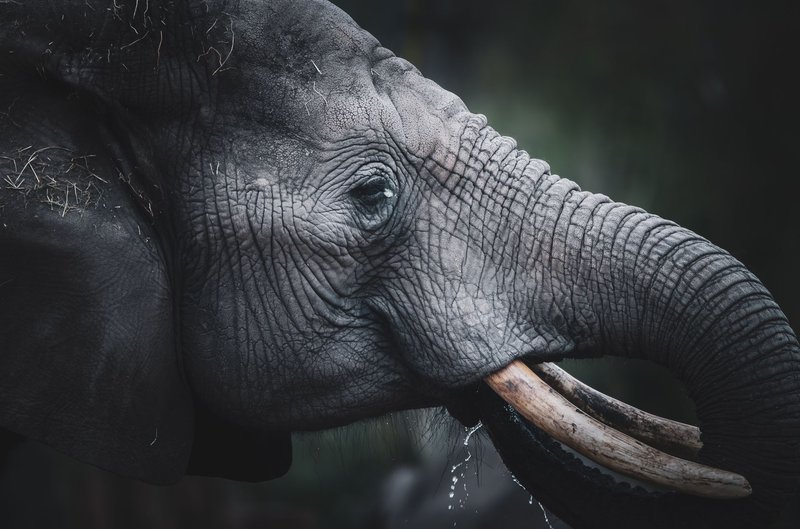
Status: Endangered (since 2021) | Trend: Decreasing
Until 2021, the IUCN counted all African elephants as one species. Then it split them: savanna elephants went to Endangered and forest elephants to Critically Endangered. The assessment found savanna elephant numbers fell by at least 60% over the last 50 years, as IUCN-backed analysis covered by National Geographic also notes.
The 2016 Great Elephant Census counted about 350,000 savanna elephants across 18 countries. Botswana held roughly 130,000 of them, the largest single population on the continent. Elephants are one of roughly 1,100 to 1,200 land mammal species in Africa, and a guide to every major mammal group puts them in that wider context.
Ivory poaching drove the worst of the losses, and it still does in parts of central and eastern Africa. Farmland now fills the gaps between protected areas, and elephants raid crops. That sets up the conflict that kills the most animals today.
What’s helping: Community conservancies that pay local people for living alongside elephants, and protected corridors that let herds move between parks without crossing a maize field.
2. Black rhino
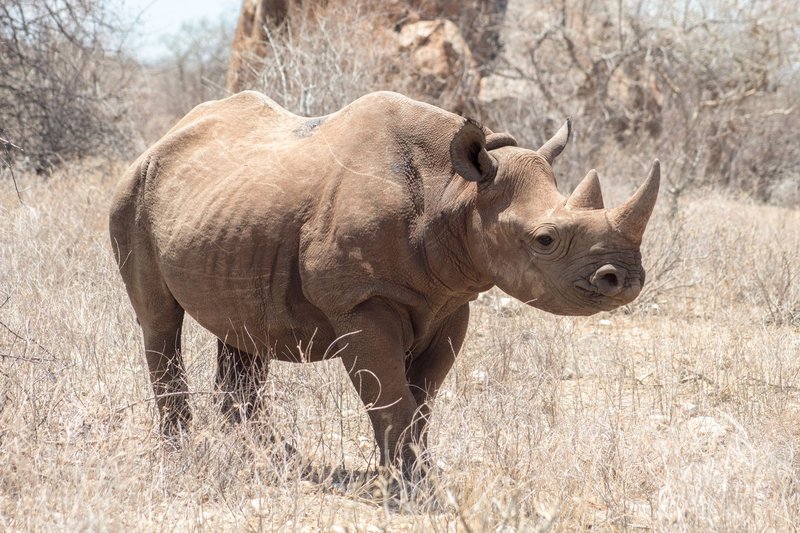
Status: Critically Endangered | Trend: Slowly increasing
Black rhinos are the rare entry on this list that’s getting better, from a terrifying low. About 65,000 roamed Africa in 1970. By the mid-1990s only around 2,300 were left. Today there are roughly 6,500.
The cause was the horn, which is keratin, the same material as your fingernails, and sells on black markets as a status symbol and folk remedy. One subspecies didn’t make it: the western black rhino was declared extinct in 2011.
The recovery came from armed ranger patrols, intensive monitoring, and moving animals between reserves to start new breeding groups. Namibia, South Africa, Kenya and Zimbabwe hold most of the survivors. The gains are real and fragile, because one surge in poaching can erase years of growth in a small population.
What’s helping: Dedicated rhino protection units, horn-trade enforcement, and translocations to safer reserves.
3. African wild dog
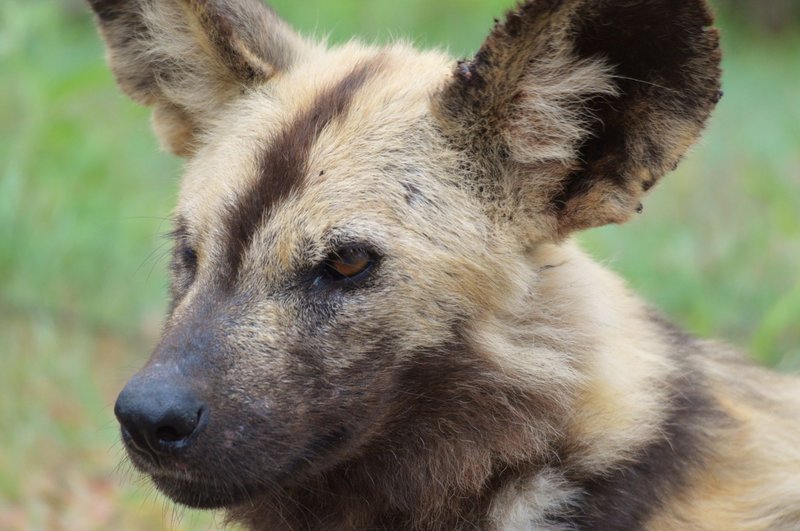
Status: Endangered | Trend: Decreasing
Around 6,600 African wild dogs remain, and only about 1,400 of those are adults. Each dog has a unique coat of black, tan and white patches, so researchers can identify individuals the way birders identify a bird by its song.
They’re also among the most effective predators on the continent. A pack chases prey over distance rather than ambushing it, and in many studies lands a kill in more than half its hunts. The catch is space. Packs range across hundreds of square kilometers, so they cross out of protected areas constantly, and that’s where snares, roads and angry livestock owners are waiting.
Disease is the other killer. Rabies and canine distemper spread from domestic dogs and can wipe out a pack in weeks.
What’s helping: Vaccinating village dogs around wild dog territory, and building corridors between the big strongholds in Botswana, Zimbabwe, Tanzania, Mozambique and South Africa.
4. Grevy’s zebra
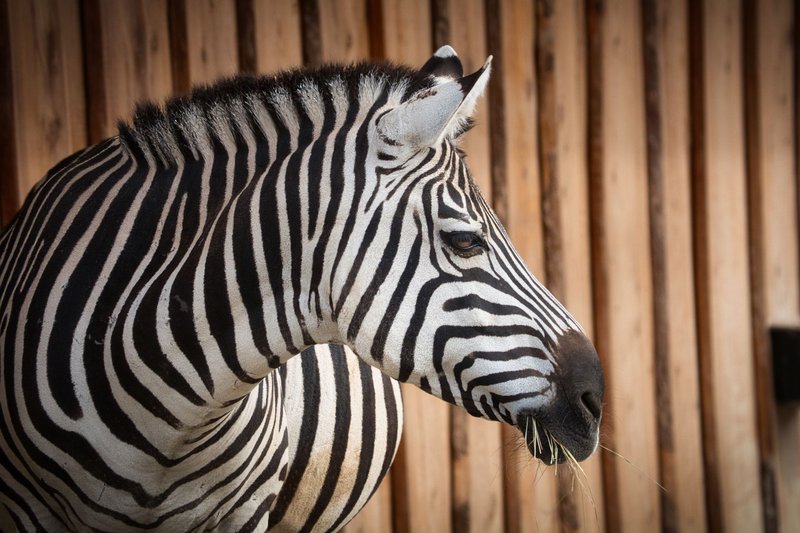
Status: Endangered | Trend: Stabilizing after a steep drop
Grevy’s zebra is the largest wild member of the horse family, and you can tell it from the plains zebra by its narrow stripes, big round ears and white belly. Roughly 15,000 lived in the wild in the 1970s. Now it’s closer to 2,800, almost all of them in northern Kenya, with a smaller group in Ethiopia.
Hunting for skins did the early damage. What keeps the species down now is competition. Cattle and goats drink at the same waterholes and eat the same grass, and in a drought the zebras lose. Mares with foals have to stay close to water, which makes them easy to crowd out.
What’s helping: Community-run conservancies in northern Kenya where herders agree to manage grazing, and annual counts that give conservationists an actual trend line to work from.
5. Cheetah
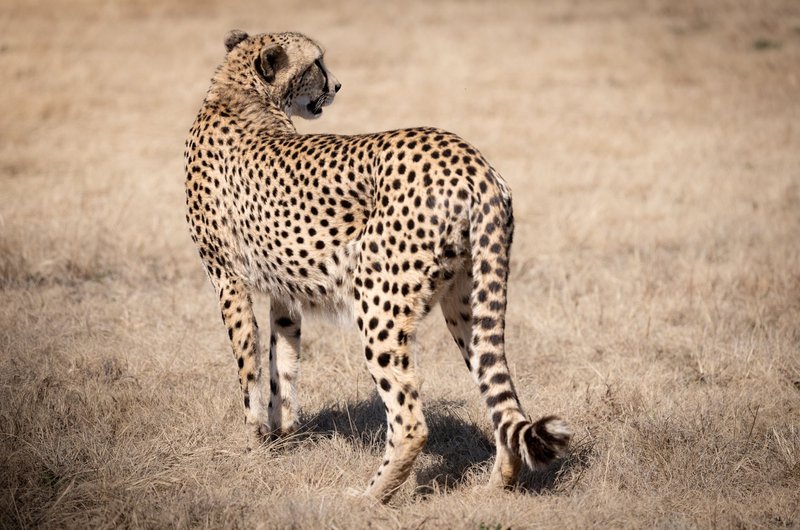
Status: Vulnerable | Trend: Decreasing
The fastest land animal on Earth is running out of room. A 2017 study put the global cheetah population at about 7,100 and found cheetahs had lost roughly 91% of their historic range. Most of them live outside protected areas, among farms and ranches, where they’re seen as a threat to livestock.
Cheetahs are also poor competitors. Lions and hyenas steal their kills and kill their cubs, so cheetahs do best in places where bigger predators have been thinned out, which is another way human land use squeezes them. An illegal trade in cubs as exotic pets, mostly flowing out of the Horn of Africa, adds to the pressure. Iran’s Asiatic cheetahs face a similar squeeze in a separate population, and the country’s wider wildlife is covered in its own guide.
What’s helping: In Namibia, farmers use Anatolian shepherd dogs to guard goats and sheep, which cuts livestock losses and removes the reason to shoot cheetahs.
6. African lion
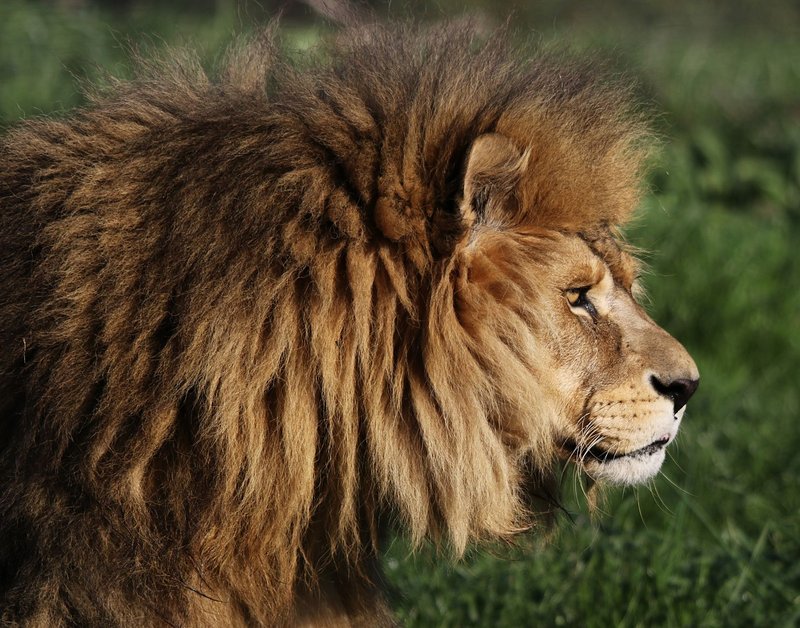
Status: Vulnerable overall; West African subpopulation Critically Endangered | Trend: Decreasing
An estimated 23,000 to 39,000 lions remain in Africa, and numbers fell by about 43% between 1993 and 2014. Lions have vanished from most of West Africa. The Critically Endangered West African subpopulation numbers a few hundred animals, clustered mainly in the W-Arly-Pendjari park complex spanning Benin, Burkina Faso and Niger.
Lions don’t usually die from poaching for a trophy. They die because their prey disappears to bushmeat hunting, and because a lion that kills a cow gets poisoned or speared in revenge. Losing the prey base and the goodwill of neighbors at the same time is what shrinks a pride.
What’s helping: Predator-proof night corrals for livestock, and programs like Lion Guardians in Kenya that train young Maasai men to track lions and warn herders instead of hunting them.
7. Kordofan giraffe
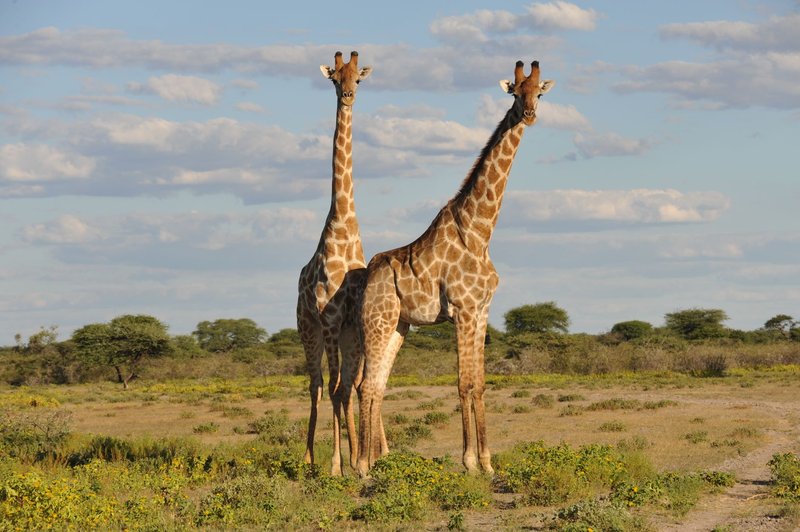
Status: Critically Endangered | Trend: Decreasing
Giraffes as a whole are rated Vulnerable. Their numbers fell by more than a third between 1985 and 2015, a slide conservationists called a “silent extinction” because nobody noticed it happening to such a famous animal. The Kordofan giraffe is the subspecies in the worst shape, with roughly 2,000 animals left across Chad, Cameroon, the Central African Republic, South Sudan and the DRC.
Several of those countries have been at war on and off for years. Armed groups hunt giraffes for meat, and conservation work in the area is hard to sustain. The best news comes from Zakouma National Park in Chad, where a long-running protection effort has kept its giraffes holding steady.
What’s helping: Park-based security, population surveys, and translocations that move giraffes to safer ground within their historic range.
8. Temminck’s ground pangolin
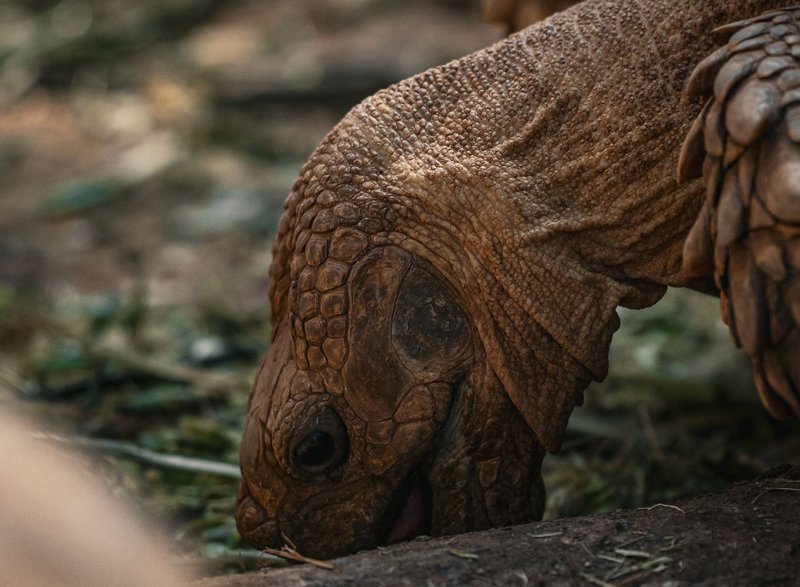
Status: Vulnerable | Trend: Decreasing
Pangolins are the only mammals covered in scales, and the scales are why they’re in trouble. Pangolins are widely described as the most trafficked mammals in the world, with scales and meat sent mainly to Asian markets. Temminck’s ground pangolin is the savanna species, living across southern and eastern Africa, where it digs for ants and termites and rolls into a ball when threatened.
That defense works on a lion and fails against a poacher, who simply picks the ball up. It also fails against electric fences. Pangolins curl up when touched by the bottom wire and get shocked repeatedly, and fence electrocution is a leading cause of death in parts of South Africa.
In 2016, all eight pangolin species were moved to CITES Appendix I, which bans international commercial trade. Enforcement is the hard part.
What’s helping: Rehabilitation and release programs, fence modifications that raise the bottom wire, and tougher penalties for traffickers.
9. Hirola
Status: Critically Endangered | Trend: Decreasing
The hirola, or Hunter’s hartebeest, is a pale antelope with lyre-shaped horns and white markings around the eyes that look like spectacles. It’s the last surviving member of its genus and lives only in the dry grasslands along the Kenya-Somalia border.
An estimated 14,000 hirola lived there in the 1970s. A rinderpest outbreak, severe drought and predation hit the herds in succession, and today it’s thought that 500 or fewer remain. Bush encroachment has also swallowed the open grass the species depends on.
What’s helping: The Ishaqbini Hirola Sanctuary in Kenya, a fenced, community-run reserve set up in 2012 with predator control. It gives the animals a protected breeding ground and a base for restoring wild herds.
10. Secretarybird
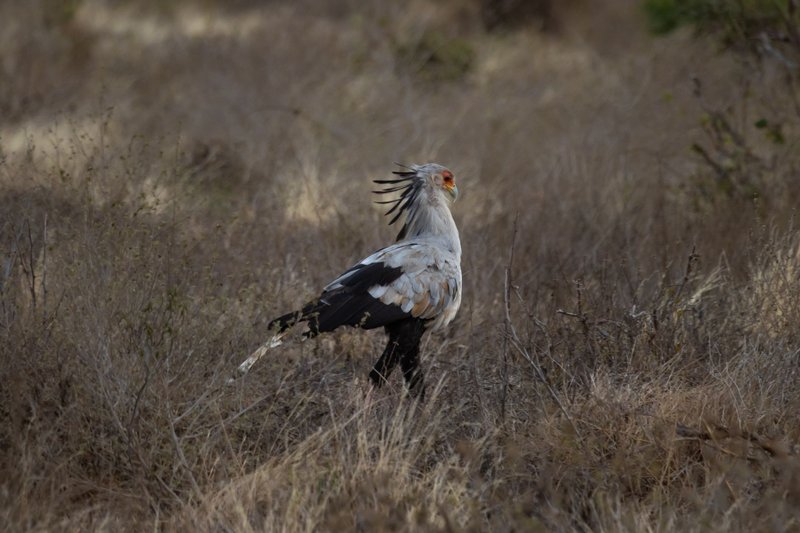
Status: Endangered (since 2020) | Trend: Decreasing
The secretarybird is a raptor that hunts on foot. It walks up to 30 kilometers a day through open grassland, then stamps on snakes, lizards and rodents with a kick delivered at roughly five times its own body weight in a few thousandths of a second. The crest of long feathers behind its head gave it its name.
The IUCN uplisted it from Vulnerable to Endangered in 2020 after evidence of a rapid decline. Nobody has an exact count, and that’s part of the problem. Farmland and overgrazing are eating the grassland it hunts in. Power lines and fences kill adults, and grass fires and disturbance destroy the flat-topped nests, usually built in acacia trees.
What’s helping: Protecting nesting trees and grassland, marking dangerous power lines, and surveys that finally establish how many are left.
Why endangered savanna animals keep losing ground
Ten species, a handful of causes. The same four show up again and again.
Poaching and trafficking. Ivory, rhino horn, pangolin scales and bushmeat all feed organized trade networks. Snares set for antelope kill wild dogs, lions and giraffes by accident.
Habitat loss and fragmentation. Farms, roads, towns and fences break savanna into pieces that are too small for animals with huge ranges. Wild dogs, elephants and cheetahs need connected land, and they don’t get it.
Human-wildlife conflict. Elephants trample crops, lions take cattle, cheetahs get blamed for goats. People in poor, rural areas can’t absorb those losses, so animals get shot, speared or poisoned. Conservation that ignores this tends to fail.
Climate change. Longer droughts shrink waterholes and grazing, and animals that were already cornered, like Grevy’s zebra and hirola, feel it first. Shifting rainfall also changes where the grass grows.
Most of the species above face more than one of these at once, which is why single fixes rarely work. The success stories, from black rhinos to Zakouma’s giraffes, combine protection, community buy-in and enough money to keep both going.
What you can do
- Support groups that work on the ground. Look for organizations with local staff and published results, like the African Wildlife Foundation, Wildlife Conservation Society, Panthera or the Cheetah Conservation Fund.
- Never buy ivory, horn, pangolin scales or wild-sourced souvenirs. If a market item claims to be “antique ivory”, assume it isn’t.
- Pick safari operators that share revenue with local communities. Money that reaches nearby villages gives people a reason to protect animals rather than poach them.
- Help scientists count animals. Projects like Snapshot Safari on Zooniverse ask volunteers to identify animals in camera-trap photos, and the data feeds real research.
- Learn the status of the species you care about. The IUCN Red List is free and searchable, and it’s where every number in this post starts.