Contents
- Quick Reference Table
- Trees and Woodland Invaders
- Prairie and Rangeland Invaders
- Aquatic Invaders
- Invasive Insects
- Feral Hogs
- When to Act: A Seasonal Calendar
- What You Can Do About Invasive Species in Kansas
Invasive species in Kansas cost landowners real money and push out the plants and animals that belong here. A tree sold in garden centers for decades is being phased out of sale. A beetle that arrived in 2012 is killing ash trees across the eastern third of the state. A weed infests roughly 700,000 acres of grazing land. This guide covers the species you’re most likely to meet, sorted by where you’ll meet them, with what each one looks like, why it matters here, and what to do.
Most agency pages split this topic by habitat and leave you to stitch it together. Here it’s all on one page.
Quick Reference Table
| Species | Type | Where found | Risk |
|---|---|---|---|
| Callery pear | Tree | Roadsides, fence rows, woodland edges, mostly eastern Kansas | High |
| Bush honeysuckle | Shrub | Woodlands and urban green space in the east | High |
| Tree-of-heaven | Tree | Vacant lots, alleys, fence lines, disturbed ground | High |
| Multiflora rose | Shrub | Pastures, fence rows, woodland edges | High |
| Sericea lespedeza | Perennial legume | Flint Hills, pastures, roadsides | High |
| Musk thistle | Biennial weed | Pastures, roadsides, disturbed ground statewide | Moderate to high |
| Old World bluestems | Grass | Roadsides, old erosion plantings, rangeland | Moderate to high |
| Zebra mussel | Mollusk | Reservoirs and lakes, mostly central and eastern Kansas | High |
| White perch | Fish | Reservoirs | High |
| Silver and bighead carp | Fish | Eastern Kansas rivers | High |
| Emerald ash borer | Beetle | Ash trees, eastern Kansas and spreading west | High |
| Spotted lanternfly | Planthopper | Detected in Thomas County, northwest Kansas | Potentially high |
| Feral hog | Mammal | Scattered pockets, mostly south and east | High |
Trees and Woodland Invaders
Kansas woods lose the most ground to plants that people planted on purpose. Landscapers and farmers brought these species in for good reasons, and the escapes took decades to show. The complete list of invasive species in Kansas City shows which of these plants have settled into the metro’s urban, river, and woodland areas.
Callery pear
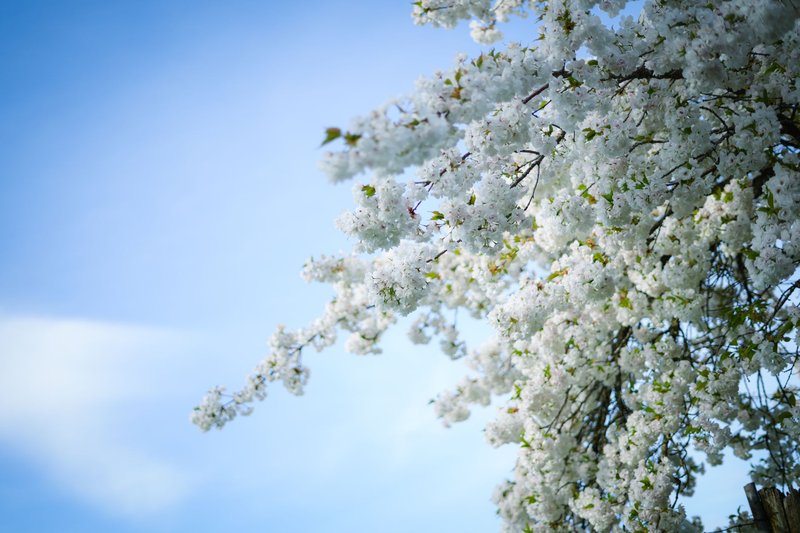
What it looks like: A tidy tree with glossy leaves and a snowball of white flowers in early spring. The flowers smell bad, a fishy, stale odor you notice on a warm April day. Branches carry thorns on the wild descendants.
Why it matters in Kansas: Bradford pear and its cultivars were sold as sterile street trees. They weren’t. Different cultivars cross-pollinate, and birds spread the fruit into fields and woodland edges, where thorny thickets shade out native seedlings. Kansas has acted on this: a sales restriction on Callery pear takes effect in 2027, so nurseries are already shifting stock.
What to do: Cut existing trees and treat the stumps with herbicide so they don’t resprout. If you’re planting, choose serviceberry, eastern redbud, or flowering dogwood. They give you the same early-spring flowers without the thorns.
Bush honeysuckle
What it looks like: A multi-stemmed shrub, often 6 to 15 feet tall, with paired oval leaves and red berries in fall. Look for hollow, pithy centers in older stems. It leafs out before native shrubs in March and holds green leaves long after everything else has dropped them.
Why it matters in Kansas: In eastern Kansas woodlands, honeysuckle forms a dense midstory that blocks light from reaching oak and hickory seedlings. The berries are fatty enough to attract birds but offer less to eat than native fruit. Kansas groups have organized volunteer removal days in woods near Kansas City and Lawrence, as KCUR reported, and the native understory comes back quickly once the shrubs are gone.
What to do: Pull small plants by hand when the soil is wet. For larger stems, cut and paint the stump with herbicide right away. Replace with buttonbush, ninebark, or roughleaf dogwood.
Tree-of-heaven
What it looks like: Long compound leaves, 1 to 4 feet, with 10 to 40 leaflets. Each leaflet has a small notch with a gland near its base. Crushed leaves smell like rancid peanut butter. Seeds hang in papery, reddish clusters.
Why it matters in Kansas: It grows in cracks in sidewalks and along alleys where nothing else will, and it resprouts aggressively from roots. It also matters because it’s the spotted lanternfly’s favorite host (more on that below). A tree-of-heaven in your yard is a landing pad for that insect.
What to do: Cutting alone makes it worse, because the roots send up dozens of new shoots. Use a herbicide approach recommended by the Kansas Forest Service, and replace with pecan, black walnut, or Kentucky coffeetree.
Multiflora rose
What it looks like: Arching canes with curved thorns, white flowers in late spring, and tiny red hips. The leaf stalk has fringed edges at its base, the one feature that separates it from native wild roses.
Why it matters in Kansas: Agencies once promoted it as a living fence for livestock and erosion control. It escaped, and it’s now listed as a Kansas noxious weed. A single plant can produce a huge number of seeds, and the thickets crowd out pasture grass and make grazing difficult.
What to do: Mow repeatedly before it matures or cut and treat the stumps. Native prairie rose (Rosa arkansana) is a better choice if you want a rose around.
Prairie and Rangeland Invaders
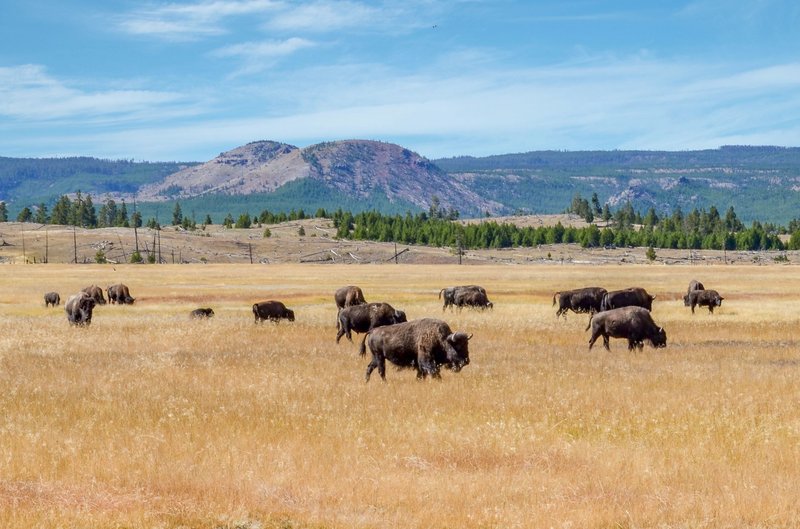
Native grassland is the Kansas that outsiders picture, and it’s under steady pressure from plants that cattle won’t eat and fire doesn’t stop. For the basics of how these systems work, 9 facts about grassland ecosystems is a good starting point.
Sericea lespedeza
What it looks like: A stiff, upright perennial, 3 to 6 feet tall, with narrow leaflets lined up along the stem. Small cream-and-purple flowers open in late summer, so it stands out when everything else has gone dormant.
Why it matters in Kansas: Sericea was planted for strip mine reclamation and wildlife cover, and it now infests roughly 700,000 acres of Kansas rangeland, concentrated in the Flint Hills. High tannin levels make it unpalatable to cattle, so they graze around it and it takes over. Seeds stay viable in the soil for 20 years or more, so one clean year doesn’t end the problem.
What to do: Treat in late summer, at bloom, when the plant is moving energy down to its roots. Expect to repeat for years. Preventing seed set on new patches is cheaper than treating a field-wide infestation.
Musk thistle
What it looks like: A spiny biennial with nodding, deep purple flower heads the size of a golf ball or bigger. The first year it’s a flat rosette. The second year it bolts to 3 to 6 feet.
Why it matters in Kansas: Another Kansas noxious weed, spread by wind-carried seed. Cattle avoid it, and a single plant can produce thousands of seeds. Thistles move quickly into overgrazed pastures and bare ground.
What to do: Hit rosettes in fall or early spring with herbicide, or cut bolting plants before they flower. Healthy, dense grass is the best prevention.
Old World bluestems
What it looks like: Fine-textured, blue-green bunchgrasses with silvery seedheads, easy to mistake for native bluestems at a distance. The seedheads are fluffier and the leaves have a distinct bluish cast.
Why it matters in Kansas: These grasses were planted for erosion control and forage. They spread from roadsides and old plantings into native prairie, forming monocultures that support fewer insects and ground-nesting birds than diverse prairie does.
What to do: Learn to tell them apart from native big bluestem and little bluestem before you spray anything. Contact your county extension office for identification and treatment timing.
Aquatic Invaders
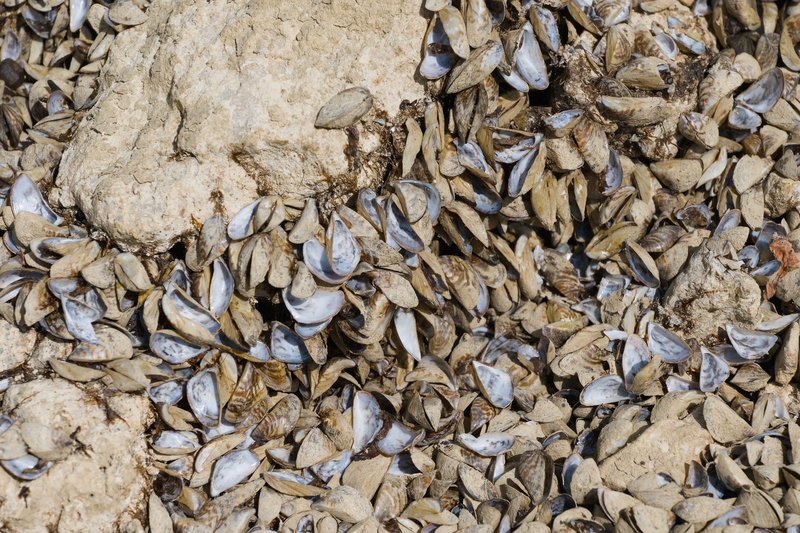
Kansas has few natural lakes. Most of what you fish and boat on is a reservoir, and reservoirs get stocked with whatever arrives on a trailer.
Zebra mussel
What it looks like: A fingernail-sized, D-shaped shell with dark and light stripes, cemented to hard surfaces in clusters.
Why it matters in Kansas: Zebra mussels were first found in Kansas in 2003 at El Dorado Lake, and they’ve since turned up in other reservoirs and lakes. They clog water intakes, coat boat hulls and docks, and leave razor-sharp shells on swimming beaches. Each adult filters water that native mussels and young fish depend on.
What to do: Follow clean, drain, dry every time you leave a lake. Kansas Wildlife and Parks requires you to drain water from your boat, livewell, and bait containers before you leave. Details are in the section below.
White perch
What it looks like: A silvery, deep-bodied fish that looks like a small white bass but lacks a white bass’s dark stripes.
Why it matters in Kansas: Anglers have been told to report these. White perch have appeared in Kansas reservoirs, and they compete with popular sport fish like walleye and white bass, and eat their eggs. Once they’re in, populations explode and are almost impossible to remove.
What to do: Never move live fish between waters, and never dump a bait bucket into a lake. If you catch one, note where and report it.
Silver and bighead carp
What they look like: Silver carp are the ones that leap out of the water when a boat motor startles them, sometimes into the boat. Both have large heads and eyes set low on the face.
Why they matter in Kansas: These filter feeders eat the plankton that native fish and young sport fish depend on. They’ve spread up the Missouri River system into eastern Kansas rivers.
What to do: Don’t use live bait fish carried from another water body. Report any you catch in a new location.
Invasive Insects
Emerald ash borer
What it looks like: The adult is a metallic green beetle about the length of a grain of rice. You rarely see it. You see the damage: thinning crowns, D-shaped exit holes about an eighth of an inch wide, and blond patches where woodpeckers have stripped bark off to reach the larvae.
Why it matters in Kansas: EAB was first found in Kansas in 2012 in Wyandotte County and has spread since. Ash trees make up a large share of street trees in many Kansas cities, planted for their toughness after Dutch elm disease took the elms. Untreated ash that gets infested usually dies within a few years. That means removal bills, bare streets, and lost shade.
What to do: If an ash tree is healthy and within the infested area, systemic insecticide treatment can protect it, and treatment works best before the canopy thins. If the tree is declining, plan removal. Replace with bur oak, hackberry, or other native shade trees, and don’t put in another monoculture. Don’t move firewood from county to county, because larvae travel inside it.
Spotted lanternfly
What it looks like: Adults are about an inch long, with gray-tan forewings dotted black and hidden red hindwings you see when it takes off. Egg masses look like smeared mud on tree bark, vehicles, and stone.
Why it matters in Kansas: The insect was detected in Thomas County in northwest Kansas, a first for the state and a notable jump west. It feeds on grapevines, fruit trees, and hardwoods, and its sticky waste fuels sooty mold. Kansas vineyards and orchards are small compared with eastern states, but they’re real.
What to do: Look for it on tree-of-heaven first. If you think you’ve found one, take a photo and report it to the Kansas Department of Agriculture before you squash it. Check your vehicle and any outdoor gear when you return from areas with known populations.
Feral Hogs
What they look like: Coarse-haired, in black, brown, or spotted coats, with long snouts and tusks on adults. Sows travel in family groups called sounders.
Why they matter in Kansas: Hogs root up pasture, crop fields, stream banks, and prairie, tear up fences, eat ground-nesting bird eggs, and carry diseases that can spread to livestock. One sow can have two litters a year, so populations grow faster than hunting alone can control.
What to do: Never release hogs or move them to new land. Landowners dealing with hogs can contact USDA Wildlife Services for trapping help, and should report sightings rather than letting hogs go unnoticed on neighboring land.
When to Act: A Seasonal Calendar
Timing matters as much as technique. Kansas invaders each have a window when they’re easy to spot or easy to kill.
- Late winter to early spring: Bush honeysuckle leafs out in March while everything else is bare. Callery pear blooms white along roads in April and gives itself away.
- Spring: Musk thistle rosettes are at their most vulnerable. Pull or treat them before the stalks shoot up.
- Summer: Boating season. Clean, drain, and dry every time you leave a lake.
- Late summer: Sericea lespedeza blooms, which makes it easy to find and the right time to treat.
- Fall: Bush honeysuckle holds green leaves into November, so it’s easy to find and remove when the woods have gone gold. Check ash trees for thinning crowns.
What You Can Do About Invasive Species in Kansas
You don’t need a big property to help.
Plant natives. Swap Callery pear for serviceberry or redbud, honeysuckle for buttonbush or ninebark, tree-of-heaven for pecan or Kentucky coffeetree, ash for bur oak. Your county extension office can point you to local nurseries.
Clean, drain, dry your boat. Every time:
- Remove plants, mud, and debris from the hull, trailer, and gear.
- Drain all water from the motor, livewell, bilge, and bait containers.
- Dry everything for at least five days before using it in a different water body, or wash with hot water if you can’t wait.
- Dump unused bait in the trash, not the lake.
Don’t move firewood. Buy it where you burn it. Ash borer larvae and other pests ride inside logs.
Report what you find. Take a photo, note the location, and contact the Kansas Department of Agriculture for plants and insects, or Kansas Wildlife and Parks for aquatic species and fish. The USDA’s invasive species hub for Kansas lists additional resources, agencies, and species by state.
The state’s grasslands, woods, and reservoirs can’t fix this alone. Most of these species spread because of ordinary choices, like what’s planted in a yard, what’s left in a bilge, and where firewood gets burned. That also means ordinary choices can slow them down.