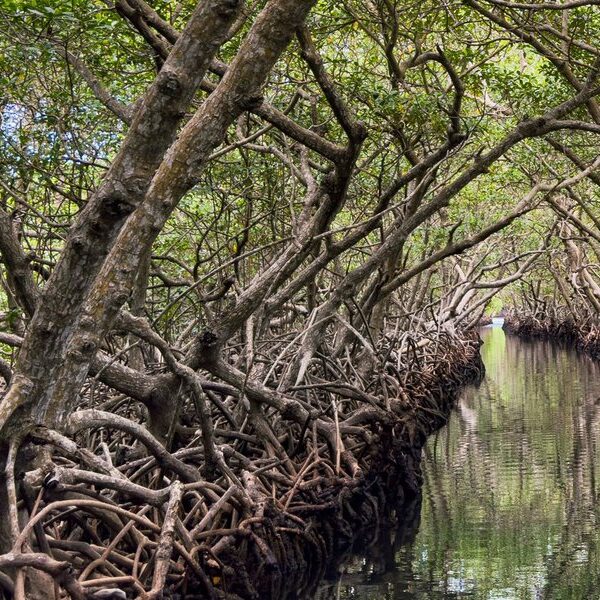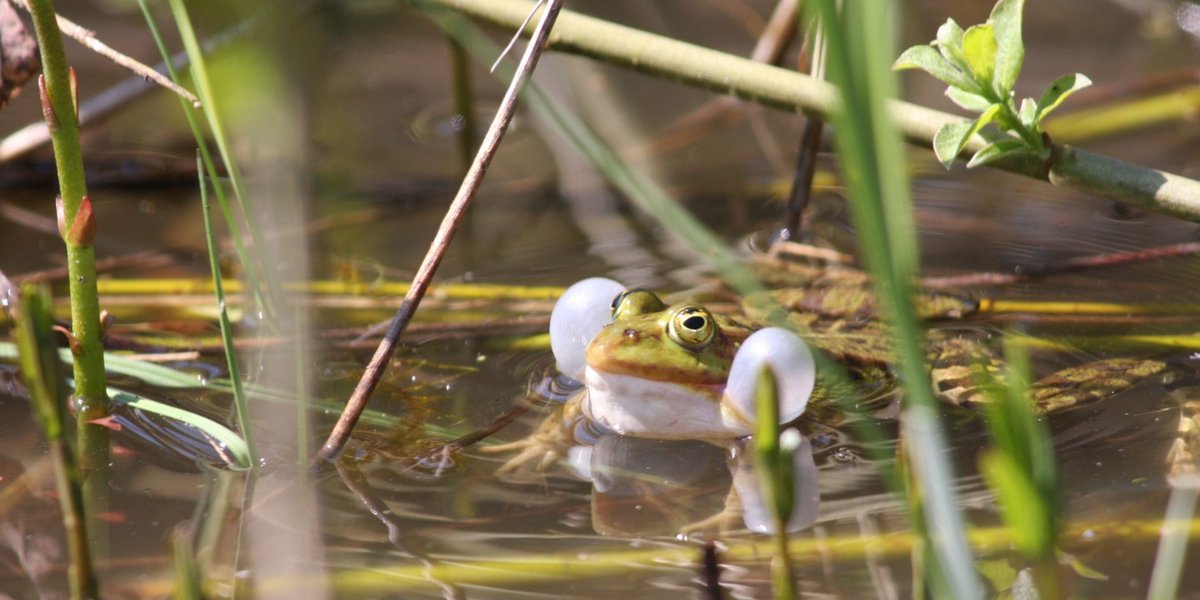
Search “wildlife of South Sudan” and you’ll get reptiles, big mammals, and maybe a paragraph on birds. Amphibians barely rate a mention — one reference site lists the country’s endemic amphibian count as a flat zero, which says more about how little anyone’s looked than about what’s actually croaking in the Sudd.
That’s a gap worth closing, because the numbers underneath it are startling. Of South Sudan’s roughly three dozen known amphibian species, an estimated 63.9% are classified as threatened — the highest rate of any animal group in the country, ahead of mammals, birds, and reptiles. Amphibians breathe partly through their skin and lay eggs without shells, which makes them absorb whatever’s in the water around them before anyone else notices something’s wrong. In a country where the Sudd wetlands are shrinking and expanding unpredictably with rainfall and upstream dam activity, that makes frogs and toads an early warning system nobody’s monitoring.
Here are ten species that call South Sudan home, where to find them, and what’s actually threatening them.
Table of Contents
- 1. Steindachner’s Toad
- 2. Egyptian Toad
- 3. Senegal Running Frog
- 4. White Nile Reed Frog
- 5. Four-Lined Spiny Reed Frog
- 6. Marbled Shovel-Nosed Frog
- 7. Edible Bullfrog
- 8. Mascarene Grass Frog
- 9. Sharp-Nosed Grass Frog
- 10. African Clawed Frog
- Why South Sudan’s Amphibians Are Disappearing Faster Than Its Mammals
- Species at a Glance
1. Steindachner’s Toad
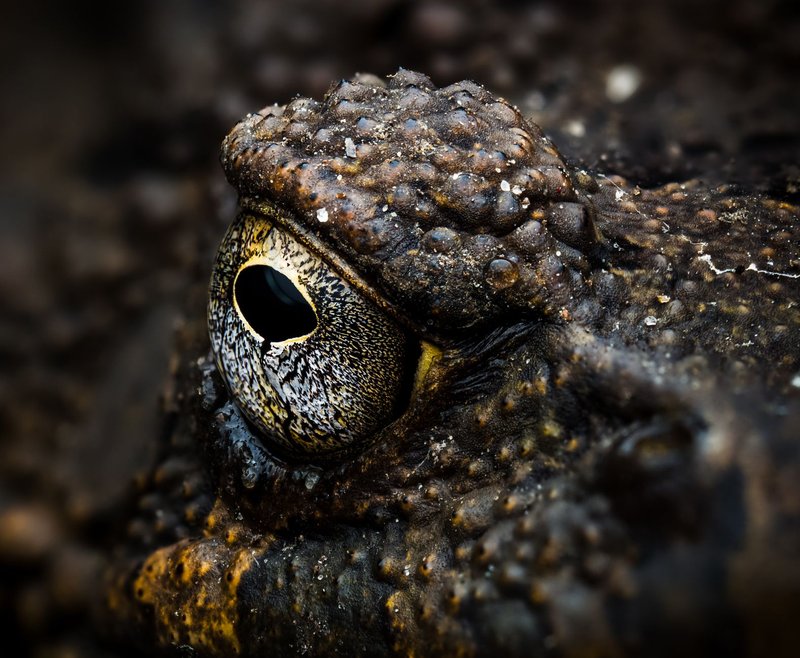
Steindachner’s Toad turns up in the drier savanna fringing the floodplain, where it spends most of the year buried and inactive, waiting for rain to soften the ground enough to dig out. It’s a squat, warty toad with the parotid glands typical of the genus, sitting just behind the eyes and secreting a mild toxin that keeps most predators from making it a repeat meal.
What makes it worth knowing isn’t its looks — it’s the timing. Steindachner’s Toad emerges and breeds in explosive, short-lived pulses tied to the first hard rains, which means a survey done outside that narrow window will simply miss it. That’s part of why the species is so poorly documented across its range: most fieldwork in South Sudan happens on logistical schedules, not amphibian ones.
2. Egyptian Toad
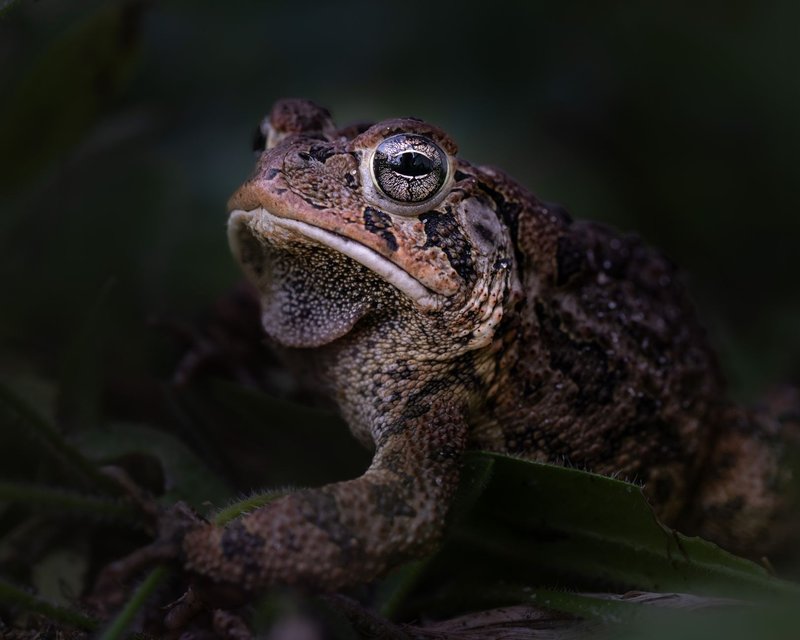
The Egyptian Toad has one of the widest ranges of any African toad, stretching from the Nile Delta down through the Sahel and into East Africa, and South Sudan’s floodplains sit comfortably inside that territory. It tolerates a broader range of water quality than most reed frogs, which is exactly why it survives near villages and cattle camps where other species have already been pushed out.
That adaptability is a double-edged fact. Wide-ranging generalist species are usually the ones conservation attention skips past, since they’re not the ones flagged as immediately threatened. But a toad this tolerant showing up in degraded, human-adjacent water bodies is also a decent proxy for how bad conditions have to get before even the hardy species start to struggle.
3. Senegal Running Frog
The Senegal Running Frog doesn’t hop so much as scuttle — a low, running gait that’s unusual enough among frogs that it gave the genus Kassina its common name. It favors the grassy margins of temporary pools across savanna and floodplain habitat, calling from low vegetation rather than open water.
Its call is a sharp, repeated “quack” that’s often the first sound heard after a rainstorm breaks a dry spell, arriving in the wetlands before the water has even fully pooled. That opportunism — breeding fast in temporary puddles before they evaporate — is a survival strategy shared by most of the frogs on this list, and one that’s getting harder to time correctly as rainfall patterns across the region shift.
4. White Nile Reed Frog
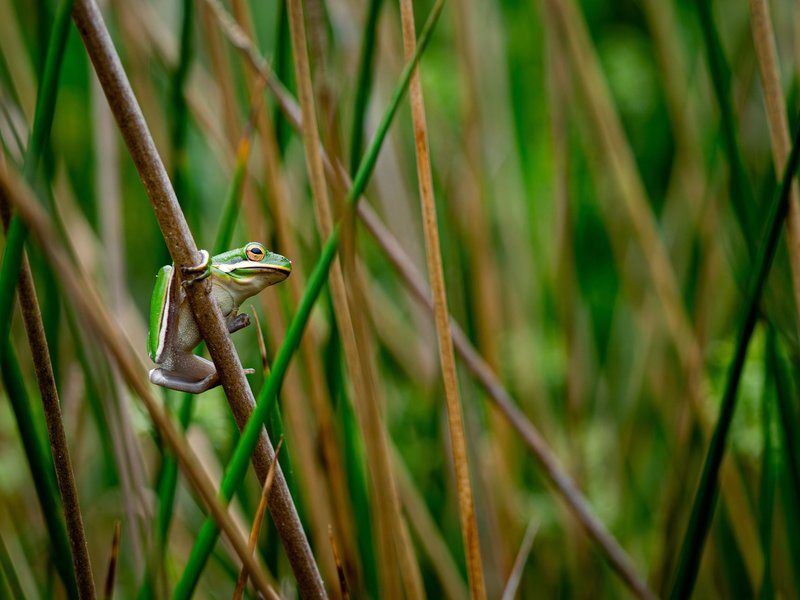
Reed frogs are the ones you’ll actually see if you spend an evening near the Sudd — small, often brightly patterned, and clinging to reed stems and sedges just above the waterline. The White Nile Reed Frog is one of several Hyperolius species recorded in the region, and it shows the extreme color variability the genus is known for: individuals of the same species can differ enough in pattern that early collectors sometimes mistook single species for several.
Reed frogs are also some of the most habitat-specific amphibians in South Sudan. They need standing or slow-moving water fringed with emergent vegetation to breed, which ties their fate directly to the health of the Sudd’s papyrus and reed beds — beds that fluctuate wildly depending on upstream water management on the Nile.
5. Four-Lined Spiny Reed Frog
The Four-Lined Spiny Reed Frog is named for the pale stripes running the length of its back and for the small keratinized spines males develop on their forearms and chest during the breeding season — a feature used in grip and combat when competing for calling positions. It’s smaller than the White Nile Reed Frog and tends to sit lower in the reed bed, closer to the waterline.
Like most reed frogs, males call in dense choruses at dusk, and the combined racket of several species overlapping is often how researchers first confirm a wetland is amphibian-rich before ever seeing a single frog. Losing reed-fringed water in the Sudd doesn’t just remove habitat for one species — it silences an entire acoustic layer of the wetland at once.
6. Marbled Shovel-Nosed Frog
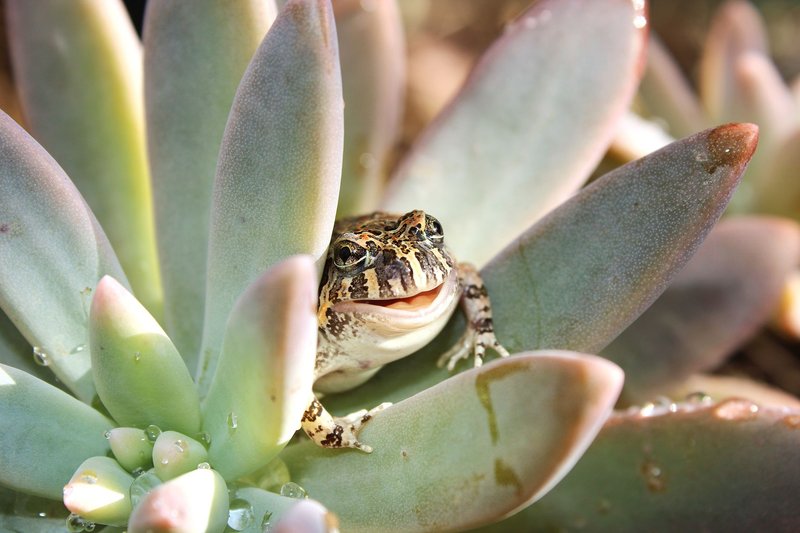
The Marbled Shovel-Nosed Frog looks built for a different job than swimming: a pointed, hardened snout, a rounded body, and stubby limbs suited to digging forward through loose soil rather than hopping across it. It spends the dry months underground and surfaces to breed in flooded grassland, where it also feeds heavily on termites — a diet unusual enough among frogs that early naturalists initially assumed the species was some kind of burrowing lizard.
Because it’s almost entirely subterranean outside the breeding window, it’s one of the least-observed amphibians on this list despite likely being reasonably common. Absence of sightings in a species like this says very little about its actual population — a problem that runs through most South Sudanese amphibian data.
7. Edible Bullfrog
The Edible Bullfrog earns its common name honestly — it’s harvested for food across parts of its range, including in areas of South Sudan where bushmeat and wild protein sources matter to rural diets. It’s a heavyset, aggressive frog, and males will guard tadpole nurseries in shrinking pools, occasionally digging channels to connect a drying pond to nearby water.
That parental behavior is rare among frogs and makes the Edible Bullfrog one of the more behaviorally interesting species in the region. It’s also a useful case study in how subsistence harvesting and habitat pressure compound each other: a species that can otherwise tolerate degraded wetlands still faces a second, direct threat that reed frogs and burrowers don’t.
8. Mascarene Grass Frog
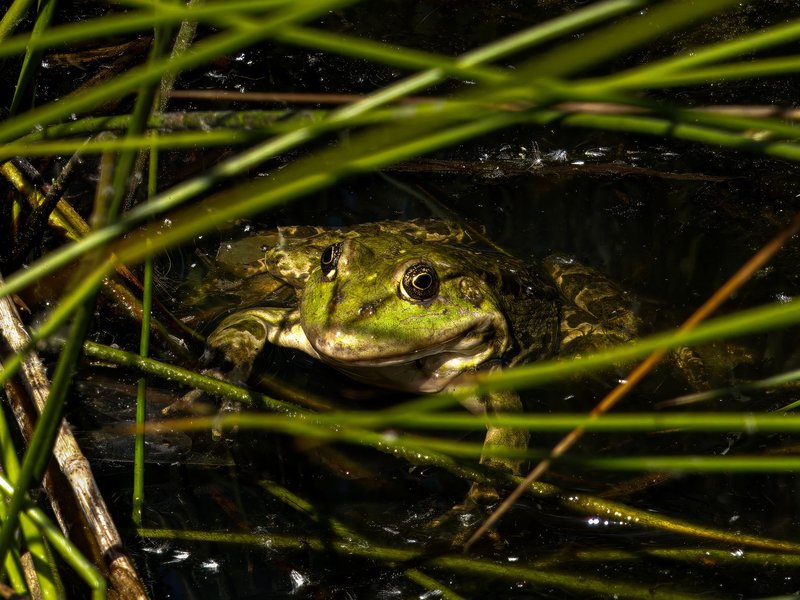
The Mascarene Grass Frog is one of the most widely distributed frogs on the African continent, found from Madagascar and the Mascarene Islands (where it gets its name) across much of sub-Saharan Africa, including the floodplains of South Sudan. It’s a ridged, elongated frog that favors open, grassy pools and rice-paddy-style flooded ground.
Its sheer range makes it a workhorse species for understanding wetland connectivity — if a frog this adaptable is absent from a stretch of the Sudd, that’s a meaningful signal about water quality or seasonal flooding patterns, since almost nothing else in its niche is that forgiving.
9. Sharp-Nosed Grass Frog
The Sharp-Nosed Grass Frog is a powerful jumper, built with long hind limbs relative to its body and a genuinely pointed snout that distinguishes it from its blunter Mascarene relative. It prefers deeper, more permanent water than most of the grass frogs it shares habitat with, and tadpoles here take longer to mature — a strategy that only works if the pool doesn’t dry out first.
That dependence on water permanence makes it more vulnerable than its wide-ranging cousin to the Sudd’s increasingly erratic flood cycles. A wetland that used to hold water for eight months and now holds it for four isn’t a marginal problem for this species — it’s the difference between a viable breeding site and a death trap for an entire cohort of tadpoles.
10. African Clawed Frog
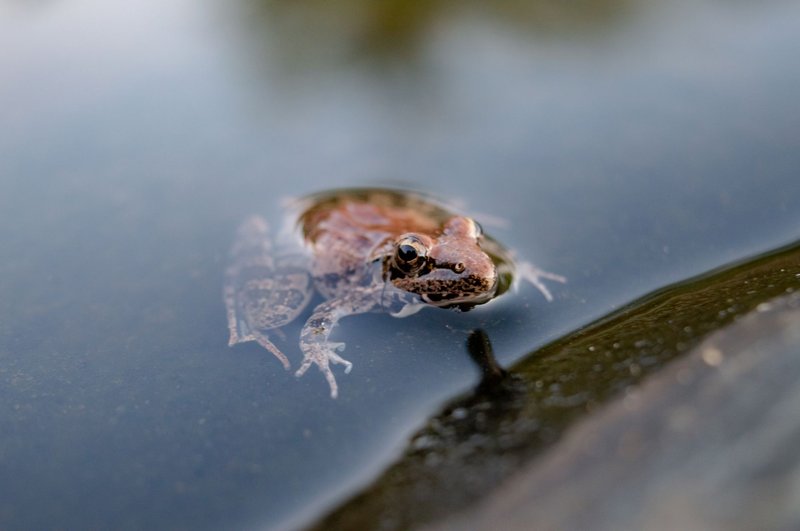
The African Clawed Frog is almost entirely aquatic, with a flattened body, no visible tongue, and small claws on its hind feet used for tearing food apart underwater — a build so unusual that the species became a laboratory staple worldwide, including in early pregnancy-testing research decades before at-home tests existed. In the Nile basin, it inhabits permanent pools, backwaters, and slow river channels, rarely leaving the water even to breed.
It’s also a species people have moved around the world, and escaped or released populations have become invasive in parts of North America and Europe. In South Sudan it’s native and ecologically unremarkable in the best sense — a stable, water-bound presence in a landscape where “stable” is increasingly rare for amphibians.
Why South Sudan’s Amphibians Are Disappearing Faster Than Its Mammals
The 63.9% threatened-species figure isn’t a data artifact — it reflects how amphibians are wired. Permeable skin means pesticide runoff, sedimentation, and changes in water chemistry hit them faster and harder than furred or feathered animals. Unshelled eggs mean a pool that dries out two weeks early can wipe out an entire generation before it ever grows legs.
Layer on South Sudan’s specific pressures: decades of conflict that displaced both people and research funding, agricultural expansion into floodplain habitat, and a hydrology that swings between drought and flood depending on rainfall and dam operations upstream on the Nile. The IUCN Red List tracks conservation status for most of the species above, and its assessments for African reed frogs and grass frogs consistently cite habitat loss and water regime changes as the primary drivers — not hunting, not direct persecution, just wetlands that no longer behave the way these species evolved to expect.
The Sudd itself is internationally recognized as one of the world’s largest wetlands and a site of global conservation significance under the Ramsar Convention, which lists it for its scale and biodiversity value. That designation covers the wading birds and the Nile lechwe that get the attention — but the same wetland is the entire world for species like the White Nile Reed Frog and the Four-Lined Spiny Reed Frog, neither of which can simply relocate if the reed beds they depend on shrink.
Species at a Glance
| Species | Habitat | Notable Trait | Conservation Concern |
|---|---|---|---|
| Steindachner’s Toad | Dry savanna | Explosive rain-triggered breeding | Data deficient |
| Egyptian Toad | Floodplain, near-settlement water | Broad tolerance of poor water quality | Least concern, but a bellwether species |
| Senegal Running Frog | Grassy temporary pools | Runs instead of hopping | Least concern |
| White Nile Reed Frog | Reed beds, sedge margins | Extreme color variability | Habitat-dependent, wetland loss |
| Four-Lined Spiny Reed Frog | Dense reed vegetation | Males grow breeding spines | Habitat-dependent, wetland loss |
| Marbled Shovel-Nosed Frog | Underground, flooded grassland | Termite specialist, burrowing snout | Under-documented |
| Edible Bullfrog | Shrinking seasonal pools | Male parental care of tadpoles | Harvesting pressure plus habitat loss |
| Mascarene Grass Frog | Open flooded grassland | Among the most widespread African frogs | Least concern |
| Sharp-Nosed Grass Frog | Permanent, deeper pools | Long breeding cycle, strong jumper | Sensitive to shortened flood seasons |
| African Clawed Frog | Permanent water, backwaters | Fully aquatic, used in lab research worldwide | Stable in native range |
None of these species has its own dedicated conservation program in South Sudan. What they have is a wetland system under strain and a research gap wide enough that even basic population counts don’t exist for half the list. That’s not a reason to look away — it’s the reason a rundown like this one needs to exist in the first place.