Table of Contents
- TLDR
- Why Tuvalu Barely Has Any Native Plants At All
- The Mangroves: Togo and Sagale
- Tree Crops: Pandanus and Breadfruit
- The Fragrant One: Pua
- Coastal Scrub: Scaevola
- Why This Matters Now: Native Plants vs. a Salting Taro Pit
TLDR
Tuvalu has no endemic plants — none that evolved there and exist nowhere else. Of the 362 vascular plant species ever recorded on the nine islands, only about 59 are even indigenous; the rest arrived with people, wind, or ocean currents, most of them within the last few centuries. The native flora that did make it is a short, tough list: two mangroves (togo and sagale), a screwpine (pandanus), a fragrant coastal tree (pua), and a scrubby beach shrub (scaevola) that’s now getting planted on purpose to fight saltwater creeping into the pulaka pits.
Why Tuvalu Barely Has Any Native Plants At All
Tuvalu’s nine islands are coral atolls and reef islands sitting a few meters above sea level, built from limestone and sand rather than volcanic rock. That matters more than it sounds like it should. There’s no elevation to catch rain and build the kind of freshwater lens that supports a diverse forest, no rich volcanic soil, and the water table underneath is often brackish. A seed has to survive salt spray, drought, and porous ground that leaches nutrients almost as fast as they arrive.
Add roughly 1,000 kilometers of open ocean between Tuvalu and the nearest larger landmass, and you get a filter so strict that almost nothing indigenous gets through unless it can float, survive weeks in seawater, or hitch a ride in a bird’s gut. According to Thaman’s flora survey for the Secretariat of the Pacific Regional Environment Programme, that filter has let through only about 59 of the 362 vascular plant species ever documented on the islands — and not one of them is endemic. Every indigenous species in Tuvalu also grows somewhere else in the Pacific, because the same coastal specialists that can survive one atoll can usually survive them all.
The rest of the plant list — coconut, papaya, hibiscus, most of the ornamentals you’ll see around a village — arrived with Polynesian voyagers, colonial administrators, or more recent imports. They’re naturalized, sometimes centuries old, but not native.
The Mangroves: Togo and Sagale
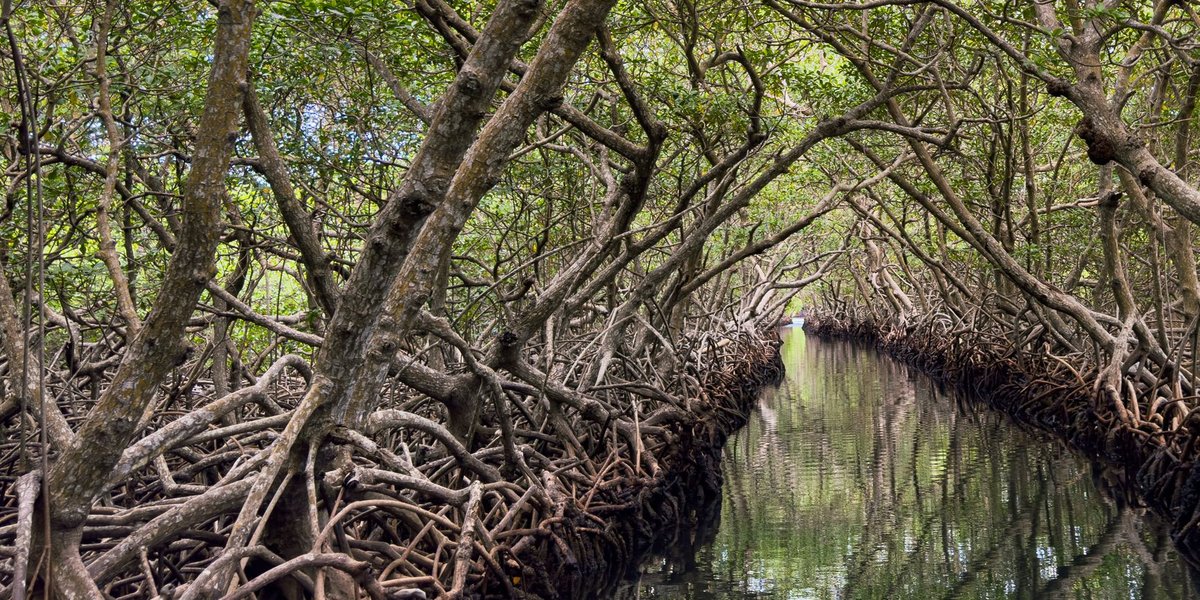
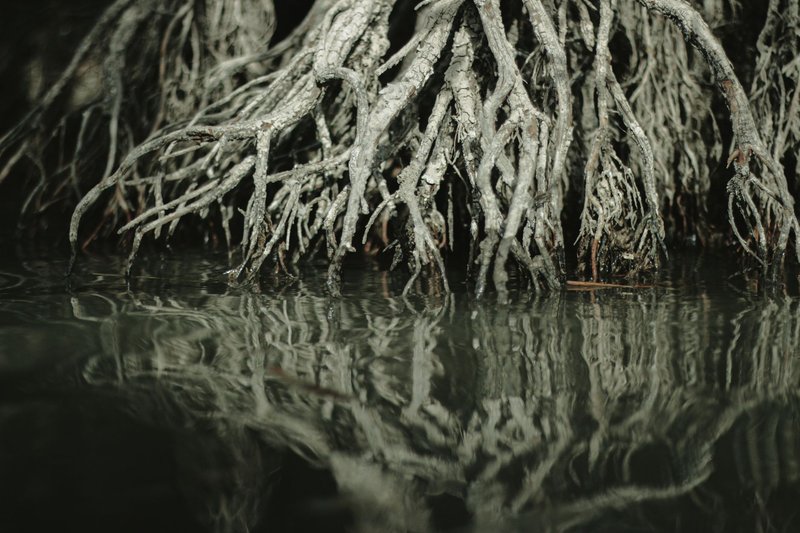
Two mangrove species made the cut, and they split the work. Togo (Rhizophora stylosa) is the common one, forming the low, tangled stands you’ll see along tidal flats and lagoon edges on most of the islands. Its prop roots do the job mangroves are known for everywhere in the tropics: they trap sediment, buffer wave energy, and turn a bare shoreline into a nursery for juvenile fish.
Sagale (Lumnitzera littorea) is the rarer one — a red-flowered mangrove reported only on Nanumaga, Niutao, Nui, and Vaitupu, not across the whole group. That patchiness is normal for atoll plants: a species can be locally common on one island and absent forty kilometers away, purely because of how the tides and currents happened to carry its seeds.
Tree Crops: Pandanus and Breadfruit
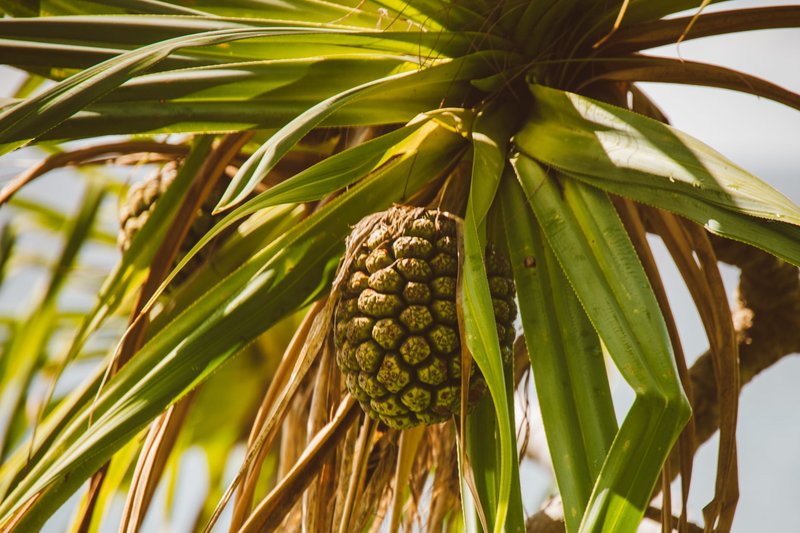
Pandanus (Pandanus tectorius), or screwpine, is one of the true indigenous natives and arguably the most useful plant on the islands. The long, spiny leaves get split, dried, and woven into mats, thatch, and baskets — a skill still passed down rather than bought. The fruit, a spiky orange cluster that looks more like a pineapple than anything edible, gets cooked and eaten in lean stretches, and it was historically important enough during droughts that certain trees were treated as family property.
Breadfruit is the plant most people lump in with pandanus as a Tuvaluan native, and that’s worth correcting: it isn’t. Breadfruit arrived with Polynesian voyagers, the same way coconut, taro, and most of the tree crops that define the modern landscape did. It’s naturalized, deeply woven into the food system, and old enough that distinguishing “native” from “ancient introduction” mostly matters to botanists — but the distinction is real, and it’s part of why the indigenous count sits at only 59 rather than something higher.
The Fragrant One: Pua
Pua (Guettarda speciosa) is the indigenous coastal tree behind a lot of the fragrance in Tuvaluan garland-making. It grows right at the beach edge, tolerant of salt spray and poor soil, and produces small white flowers that open at night with a strong sweet scent — the same trait that’s made related Guettarda and Gardenia species garland staples across the Pacific. Alongside it grow other true coastal natives like kanava (Cordia subcordata) and talie (Terminalia samoensis), broadleaf trees that fill out the thin band of native forest still standing on undisturbed shorelines.
Coastal Scrub: Scaevola
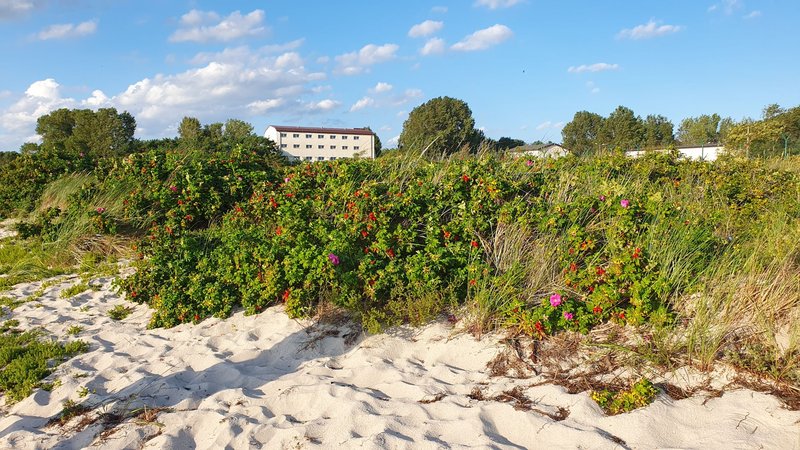
Scaevola (Scaevola taccada) is the shrub doing the unglamorous work along nearly every beach in Tuvalu. It forms dense, low thickets right where the sand meets the vegetation line, and it will grow in conditions that kill almost anything else — direct salt spray, shifting sand, minimal fresh water. Traditional medicine on Pacific atolls has long used it for skin conditions and eye infections, with the leaves chewed for indigestion and the roots applied after eating suspect fish or crab.
None of that traditional use is why scaevola matters most right now, though. That’s the next part.
Why This Matters Now: Native Plants vs. a Salting Taro Pit
Pulaka — giant swamp taro (Cyrtosperma merkusii) — is Tuvalu’s traditional staple crop, grown in dug-out pits where the roots sit close to the brackish water table. It tolerates some salinity, but only up to a point, and that point is being tested. Rising seas and more frequent king tides are pushing saltwater further into the groundwater lens, and a 2026 ethnobotany study in Routes journal documents indigenous trees like scaevola and pandanus being planted deliberately around pulaka pits, their root systems absorbing excess salt and helping stabilize the soil before it reaches the crop.
The scale of the problem is already visible: research on food security in Tuvalu notes that 50 to 80 percent of pulaka pits on Funafuti sit abandoned, a mix of saltwater intrusion, drought, and a generational shift away from the labor-intensive crop. The IPCC’s technical assessment for Tuvalu puts a number on what’s at stake if nothing adapts: unmanaged coastal flooding and salination could cost small atoll states many times over what proactive defense would.
It’s a strange kind of vindication for a flora this thin. The 59 native species that survived Tuvalu’s brutal filtering process — the ones tough enough to handle salt and sand and almost no fresh water to begin with — turn out to be exactly what the islands need to hold onto their food supply as that same salt water pushes further inland. The plants that were never particularly special on their own terms are, right now, doing something nothing imported can.