TLDR
Malta has no dangerous native land animals. No venomous snakes, no big predators, no spider that needs a hospital trip. The animals that actually hurt people are marine: jellyfish, weever fish, sea urchins and scorpionfish. Most stings are painful for an hour or two and nothing more. The one genuinely life-threatening risk is an allergic reaction to a wasp, hornet or bee sting.
Table of Contents
- How dangerous is Malta, really?
- Quick-reference table
- Dangerous animals in Maltese waters
- Insects and arachnids on land
- Snakes and other reptiles
- Myths worth dropping
- Seasonal tips for jellyfish and sea urchins
- Emergency numbers and hospitals
How dangerous is Malta, really?
Not very. The islands are small, heavily built up and densely populated, so there is little room for anything large enough to threaten a person. The list of dangerous animals in Malta is short, and it is ranked here by how likely you are to meet the animal and how much it can hurt you, not by how scary it sounds.
Two points frame everything below. First, nearly all of the risk sits in the water. Second, almost every injury is a nuisance rather than an emergency. The exceptions are allergic reactions, which can happen with any sting from any species, and the very rare deep wound.
Quick-reference table
| Animal | Where | Risk level | Treatment |
|---|---|---|---|
| Mauve stinger jellyfish | Open water, bays, near the surface | Low to moderate (painful, common) | Rinse with seawater, remove tentacles, hot water soak |
| Weever fish | Sandy shallows, buried | Moderate (intense pain, rare to meet) | Hot water soak, see a doctor if pain spreads |
| Sea urchins | Rocky shores, ledges | Low (common, spines can lodge) | Remove spines, clean, see a doctor if deep |
| Scorpionfish | Rocks, seagrass, reefs | Low to moderate | Hot water soak, medical check if swelling grows |
| Fire worm | Rocks, under stones | Low | Remove bristles with tape, wash |
| Moray eel | Crevices, dive sites | Low (provoked bites only) | Clean, medical care for the wound |
| Silver-cheeked toadfish | Open sea, caught by anglers | High if eaten, none if left alone | Emergency care if eaten |
| Wasps, hornets, bees | Everywhere on land | Low, but allergy can be fatal | Antihistamine, emergency care for allergy signs |
| Centipede (Scolopendra) | Under stones, damp places | Low | Wash, cold pack, painkiller |
| Scorpions | Walls, rubble, old buildings | Low | Wash, cold pack, painkiller |
| Snakes | Countryside, garden walls | None (non-venomous to people) | Clean any bite |
Dangerous animals in Maltese waters
Mauve stinger jellyfish
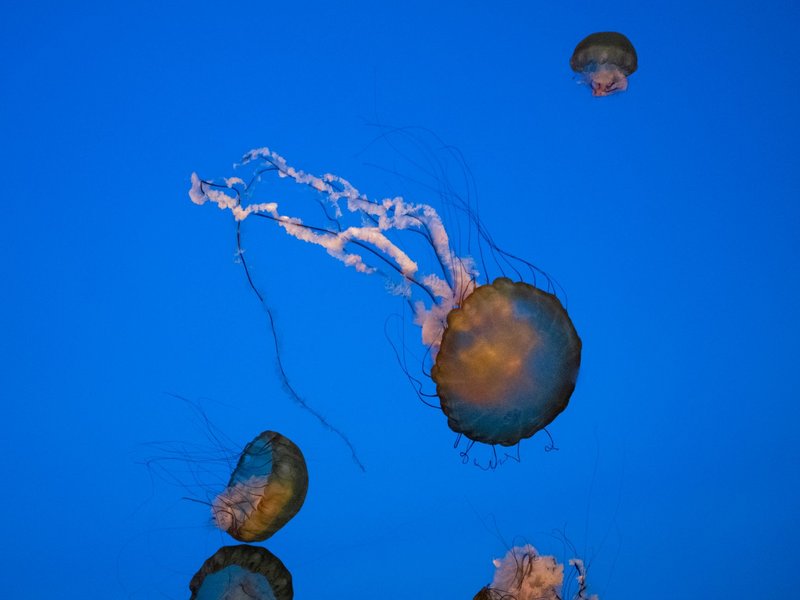
This is the one you will probably meet. The mauve stinger (Pelagia noctiluca) is a small, purple-pink jellyfish with long trailing tentacles, and in some summers it arrives in numbers that close beaches to swimmers. A sting feels like a burning line across the skin, leaves a raised red welt, and usually fades over a few hours to a day. It rarely causes more than that.
First aid is straightforward. Get out of the water, rinse the area with seawater (not fresh water, which can make stinging cells fire), and lift off any stuck tentacles with tweezers or a gloved hand. Soaking the area in hot water, as hot as you can comfortably stand, helps with the pain. NHS guidance on jellyfish stings covers the same steps. Don’t rub the skin, and don’t pee on it.
Go to a doctor if the sting covers a large area, if you feel dizzy, short of breath or sick, or if a child or elderly person is stung.
The Portuguese man o’ war and box jellyfish also turn up in Mediterranean lists. Man o’ war sightings in Maltese waters are rare and tend to follow unusual wind and current patterns, and the local box jellyfish is far milder than its tropical relatives. Treat any unfamiliar blue or translucent drifter as a reason to stay out of the water and tell a lifeguard.
Weever fish
The weever (Trachinus species) is the sting people remember. It lies half-buried in sand in shallow water with its venomous dorsal spines pointing up, and it stings when someone steps on it. The pain is out of proportion to the size of the fish: sharp, throbbing, and sometimes spreading up the leg. The venom breaks down with heat, which is why hot water is the standard treatment. Soak the foot in water as hot as you can tolerate for 30 to 90 minutes.
Weevers are uncommon on busy swimming beaches, and shuffling your feet through sandy shallows tends to scare them off. Wear water shoes if you wade in sand at dawn or dusk. If swelling spreads, the wound looks infected, or the pain is still climbing after an hour, get medical help.
Sea urchins
Sea urchins cause the most injuries you will actually see on Maltese rocky shores. The black urchin (Arbacia lixula) and the purple-brown one (Paracentrotus lividus) sit in crevices in the clear shallow water that makes Malta’s swimming spots so attractive. The problem is simple: you step on one while climbing back onto a ledge.
The spines snap off in the skin and leave black or purple dots. Pull out what you can with clean tweezers, wash with soap and water, and keep the area clean. Small spines usually work their way out over a few days. Spines lodged near a joint, deep in a heel, or in a spot that keeps hurting need a doctor, because they can cause infection or stiffness.
Scorpionfish
Scorpionfish are camouflaged to look like algae-covered rock, and their dorsal spines carry venom. They sit in rocky shallows and seagrass, and divers, snorkelers and anyone grabbing a rock for balance get stung. The sting hurts for hours, and the area swells. Use the same hot water soak as for weever fish and get checked if swelling spreads or you feel unwell.
Fire worms
The bearded fire worm (Hermodice carunculata) looks like a fat, orange-bristled centipede crawling over rocks. The white bristles break off in skin and cause a burning, itchy rash. Don’t grab the worm. If you touch one, press sticky tape on the skin to lift out the bristles, then wash the area. It is a nuisance, not a danger.
Moray eels and stingrays
Moray eels (Muraena helena) live in crevices on dive sites and bite when a diver pushes a hand into their hole. The bite is a deep, dirty wound. Don’t feed them or reach into holes, and any bite needs proper cleaning and medical attention. Stingrays exist in Maltese waters, but encounters are rare and injuries rarer. If a ray’s tail spine does get you, treat it as a puncture wound and go to the hospital.
Sharks
Sharks are present in the central Mediterranean, including species such as blue sharks and small catsharks, but confirmed attacks on swimmers in Maltese waters are extremely rare. The number of fatalities across the whole Mediterranean in a typical year is tiny. Your drive to the beach is a far bigger hazard. If a shark is seen near a bay, authorities close it, so follow lifeguard flags and beach notices.
Silver-cheeked toadfish
This is the one to know about before you buy fish from anyone off a boat. The silver-cheeked toadfish (Lagocephalus sceleratus) is an invasive pufferfish that has spread into the Mediterranean from the Red Sea. Its flesh and organs contain tetrodotoxin, a nerve poison that has no antidote and can kill. It is dangerous only if eaten, so the rule is simple: don’t eat pufferfish, and if you fish, release or report it. If someone develops numbness around the mouth, vomiting or weakness after eating fish, call 112 immediately.
Insects and arachnids on land
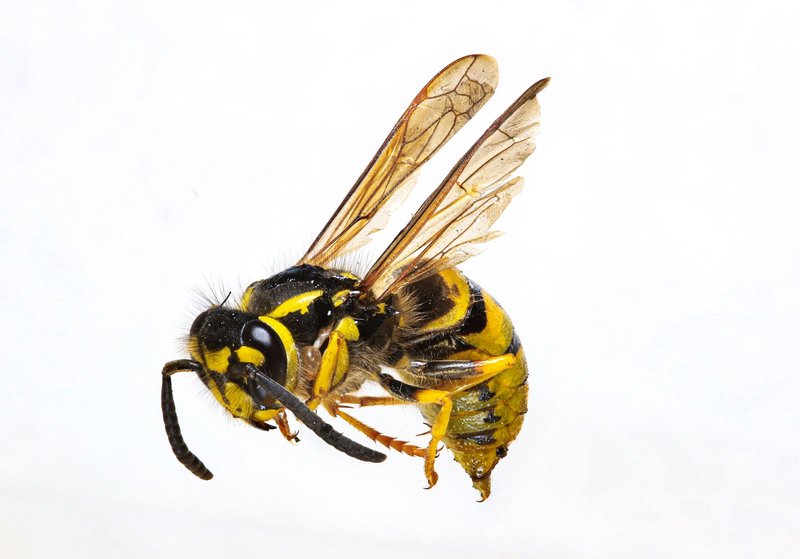
Wasps, hornets and bees
The deadliest animals in Malta in terms of reported emergencies are the same as in the rest of Europe: stinging insects. European hornets, paper wasps and honeybees are active from spring through autumn, and they are drawn to open drinks, fruit and meat at outdoor tables.
For most people a sting means pain and a swollen bump. For people allergic to venom, it can lead to anaphylaxis: swelling of the face or throat, wheezing, hives across the body, dizziness or collapse. If any of those appear, call 112 right away. The NHS anaphylaxis page lists the signs. If you know you’re allergic, carry your adrenaline auto-injector and tell your travel companions where it is. For ordinary stings, remove the stinger if visible, wash the area, use a cold pack, and take an antihistamine if swelling bothers you.
Centipedes
The banded centipede (Scolopendra cingulata) grows up to about 15 cm and lives under stones, in damp corners and in garden walls. Its bite is painful, with local swelling and sometimes a throbbing ache that lasts hours, and it is rarely more serious. You are most likely to meet one if you flip a rock or pull on garden gloves left outside. Wash the bite, apply a cold pack and take a painkiller. See a doctor if swelling or pain keeps increasing.
Scorpions
Malta’s scorpions are small, typically a few centimeters long, and their sting is comparable to a wasp’s. They hide in stone walls, rubble and old buildings, and they wander into houses on warm nights. You can usually avoid a sting by shaking out shoes and not reaching under rocks barehanded. Treat the sting with soap and water, a cold pack and a painkiller. Scorpions in Malta are not a medical emergency, but an allergic reaction is possible, and the same warning signs apply.
Mosquitoes and spiders
Mosquitoes, including the Asian tiger mosquito that has spread across southern Europe, bite hard in warm months and can leave itchy welts. Repellent and screens do the job. Spiders in Malta are generally harmless to people. A bite can be mildly painful and swell a little, but none of the local species is considered medically dangerous.
Snakes and other reptiles
Malta’s snakes are not a threat. The species recorded on the islands, such as the western whip snake and the leopard snake, are non-venomous to humans, and the rare, rear-fanged cat snake is shy and doesn’t pose a medical risk. The University of Malta’s terrestrial species records list the reptiles known on the islands. A whip snake can bite if you corner or grab it, and the bite will bleed a little and need a wash, nothing more. Leave snakes alone and walk on.
Myths worth dropping
Several articles on this topic repeat claims that don’t hold up.
Brown recluse spiders. Lists of “dangerous animals in Malta” often include the brown recluse. It is a North American species with no established population in Malta. If you find a brown spider in your Maltese villa, it is almost certainly something harmless.
Great white sharks. Great whites do exist in the Mediterranean, but in low numbers, and no record of a regular population near Malta turns them into a beach risk. Treat any “shark attack” headline about a Maltese bay with skepticism.
Venomous snakes. There are none. The snake lists that suggest otherwise confuse mildly venomous species with dangerous ones.
Exotic pets and big cats. Searches for this topic sometimes turn up stories about illegally kept exotic animals. They are cases of private ownership, not wildlife you’ll run into while hiking or swimming.
Seasonal tips for jellyfish and sea urchins
Jellyfish. Blooms usually build from late spring through summer and into early autumn, and they tend to arrive on calm, warm days when onshore winds push them toward the coast. Check local beach reports or ask a lifeguard before swimming. If jellyfish are in the water, swim somewhere else, or wait: they drift away within a day or two. Stay out of the shallows at the water’s edge where they collect.
Sea urchins. They are most visible in summer, when rocky-shore swimming is at its peak. Water shoes are the simplest fix. Enter and exit the water at sandy or stepped access points, don’t put your hands on the rock below the waterline, and be careful on slippery ledges where you can’t see the bottom clearly.
Weever fish. Sandy beaches in the early morning and evening are the likeliest spots. Shuffle your feet when wading.
Emergency numbers and hospitals
Call 112 for any emergency in Malta and Gozo. It connects you to the ambulance service.
Mater Dei Hospital, in Msida, is Malta’s main general hospital and has the main emergency department. Gozo General Hospital, in Victoria, handles emergencies on Gozo. Health centers around Malta can treat minor stings and bites during opening hours.
Go to emergency care without delay if you notice any of these after an animal injury:
- Swelling of the face, lips or throat
- Difficulty breathing or wheezing
- Rapid spread of redness, or swelling that keeps growing
- Dizziness, fainting, vomiting or confusion
- A deep puncture wound or spines lodged in a joint
- Symptoms after eating fish, especially numbness around the mouth