Ask ten people what fruit is native to Paraguay and you’ll get ten different answers, most of them wrong. Mango, banana, papaya, citrus — the fruits that show up on every roadside stand and in every Asunción market — arrived with colonizers, missionaries, and later agricultural trade. The fruits that actually evolved in this stretch of subtropical South America are smaller, less famous, and mostly unavailable outside their home range: guaviyú, arazá, mbocayá.
Both groups matter if you’re trying to understand what “Paraguayan fruit” actually means. This is a guide to the native handful, the naturalized fruits everyone treats as local anyway, and a season-by-season rundown of what’s actually ripe and worth eating at any given point in the year.
Table of Contents
- Native fruits: the real Paraguayan handful
- Naturalized fruits everyone calls local
- A seasonal calendar for Paraguayan fruit
- Where to actually buy this stuff in Asunción
- The short version
Native fruits: the real Paraguayan handful
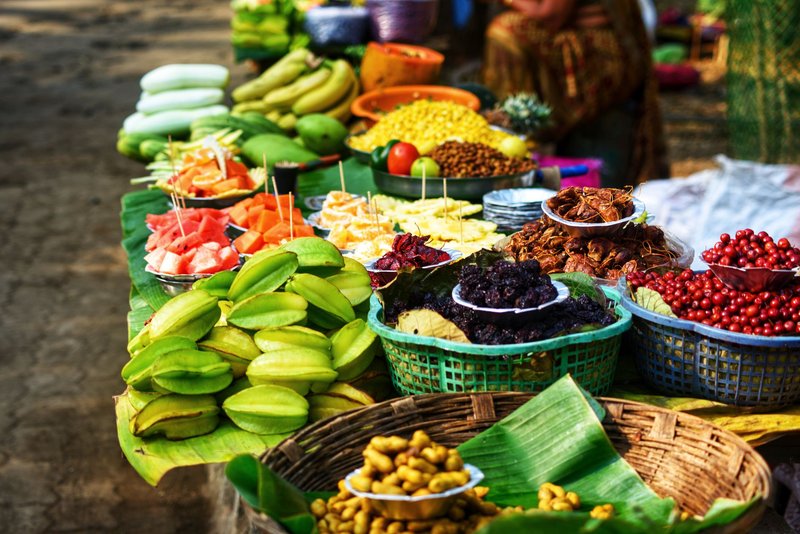
Paraguay sits at the overlap of three ecoregions — the Atlantic Forest, the Chaco, and the Cerrado, the savanna biome that also stretches across central Brazil. That overlap is why the country’s true native fruits tend to be small, tart, and forest-adapted rather than the big, sweet, cultivated fruit most people picture. None of them made it into global agriculture, which is exactly why they’re worth knowing about.
Guaviyú
Guaviyú (Myrcianthes pungens or, in some botanical treatments, folded under Eugenia) is the closest thing Paraguay has to an uncontested native fruit — it turns up consistently in the literature without the usual hedging. The fruit is tiny, roughly the size of a large blueberry, ripening from green to a deep purple-black. The pulp is intensely sweet with almost none of the acidity you’d expect from something that small and dark. It grows wild along riverbanks and forest edges in eastern Paraguay and gets eaten straight off the tree far more often than it gets sold, since it bruises and spoils within a day or two of picking.
Arazá
Arazá (Eugenia stipitata) looks like a lumpy yellow guava and tastes like nothing you’ve had — a sharp, almost lemon-and-pineapple sourness that makes it unpleasant to eat raw in quantity but excellent cooked down into juice, jam, or a sorbet base. It’s notably rich in vitamin C and antioxidant compounds, which is part of why it’s shown up on “superfruit” lists in recent years even though almost nobody outside South America has tasted one. Home cooks in Paraguay typically cut the acidity with sugar rather than eating it out of hand.
Mbocayá
Mbocayá (Acrocomia aculeata), sometimes written mbokajá, isn’t a tree fruit at all — it’s the fruit of a spiny palm that grows across most of Paraguay’s territory. Crack the hard outer shell and you get a small amount of sweet, oily, orange-tinted pulp around a nut. The pulp gets eaten fresh or fermented into a mildly alcoholic drink; the nut inside gets pressed for oil used in cooking and cosmetics. A single wild palm can produce 40 to 100 kilograms of fruit in a season, which has made it a serious subject of agricultural research as a biofuel and cooking-oil crop, not just a curiosity. Paraguay is home to 23 native palm species in total, most of them concentrated in the Cerrado region in the country’s east — more than any neighboring country’s Cerrado fragment holds.
The honorable mentions
A handful of other species get cited as likely native — yvapurũ (a small Cerrado fruit related to the araticum family) and guavira among them — but the botanical record on them is thinner, and sources genuinely disagree on where cultivation ends and wild origin begins. Treat “native” claims beyond the three above as probable rather than settled. If you’d like to explore Paraguay’s broader botanical heritage, this guide to Paraguay’s native plants provides a comprehensive overview of the region’s diverse flora.
Naturalized fruits everyone calls local
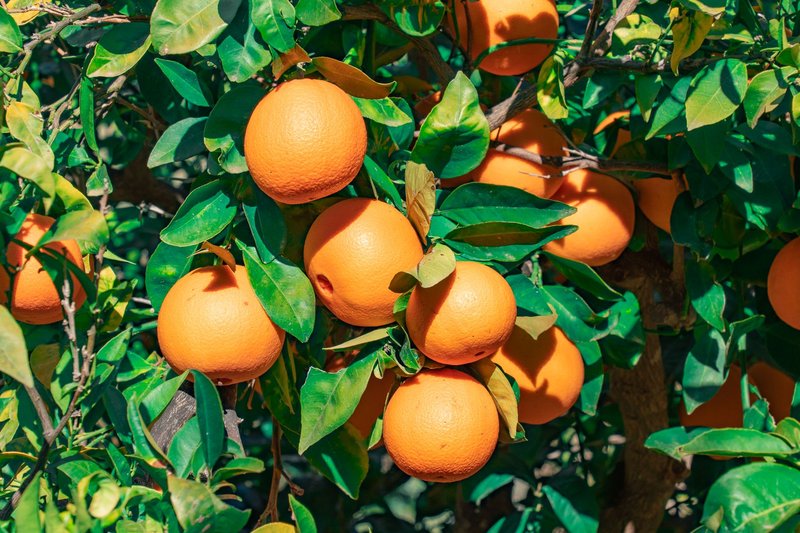
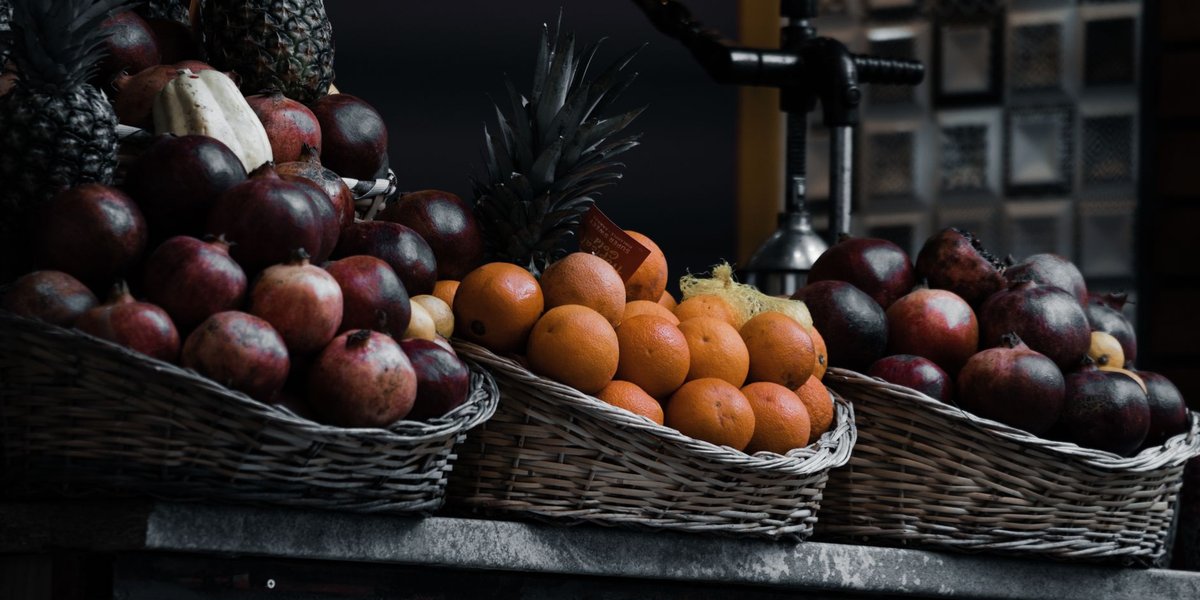
Here’s the twist: ask a Paraguayan what fruit represents the country, and citrus is a serious contender — despite not being native at all. Sour orange trees were brought over during the Spanish colonial and Jesuit mission period and naturalized so completely that they now grow wild along roadsides and in abandoned lots across the country, indistinguishable at a glance from a native species. Mango, papaya, banana, and pineapple followed through later agricultural trade routes and are now grown at real commercial scale, especially mango, which does well in Paraguay’s climate and shows up everywhere from December through February.
None of this makes these fruits less “Paraguayan” in any practical sense — they’re what fills the markets, what’s actually eaten daily, and what the country exports. It just means the story of Paraguayan fruit is mostly a story of adoption, not origin.
A seasonal calendar for Paraguayan fruit
Paraguay’s seasons run opposite the Northern Hemisphere’s, which trips up a lot of visitors checking what’s in season. December through February is peak summer; June through August is winter.
Summer (December–February)
Watermelon, mango, papaya, and pineapple hit their peak here, alongside the tail end of guaviyú season in forested areas. This is also when the produce stands along the highways out of Asunción are at their most stacked — mango especially, since roadside sellers buy direct from small growers and prices drop hard.
Autumn (March–May)
Persimmon, pomegranate, passion fruit (maracuyá), and chirimoya come into their own as the heat breaks. Chirimoya in particular rewards patience — buy it firm, let it sit a few days until it gives slightly to pressure, and the custardy interior turns from bland to genuinely good.
Winter (June–August)
Citrus takes over. Oranges, mandarins, and grapefruit are cheap and everywhere, plus apples from cooler-climate growing regions further south. This is the least exciting season for exotic finds but the best for reliably good, inexpensive fruit.
Spring (September–November)
Strawberry and guava lead the way, with early mango starting to appear toward the tail end of the season. Guava here is smaller and more fragrant than the imported varieties sold in North American grocery stores — worth seeking out specifically in spring rather than settling for whatever’s been in cold storage.
Where to actually buy this stuff in Asunción
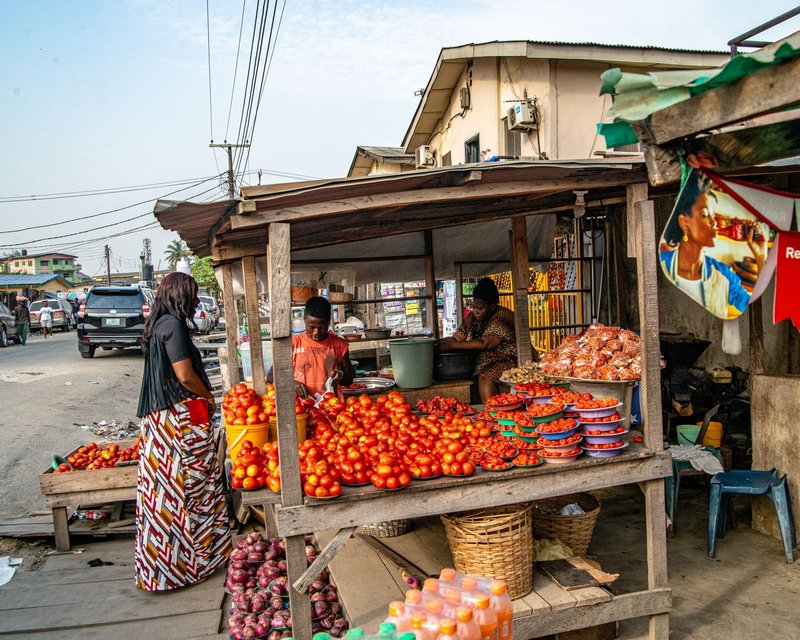
The Mercado 4 in downtown Asunción is the default answer — sprawling, chaotic, and the most reliable place to find native fruits like guaviyú and arazá when they’re in season, since small growers sell direct rather than going through supermarket distribution. Supermarkets carry the naturalized staples (citrus, mango, papaya, banana) year-round but rarely stock the native species at all; they spoil too fast and don’t scale to retail logistics. For arazá and guaviyú specifically, roadside stands in the Cordillera and Paraguarí departments, closer to where the fruit actually grows, are a better bet than anything in the capital.
Eating them: mbocayá pulp is typically sucked or scraped straight off the nut rather than sliced. Arazá almost always gets sweetened — juice, jam, or blended into a licuado — rather than eaten out of hand. Guaviyú, when you can find it, is eaten fresh on the spot; it doesn’t travel or store well enough to process into much else.
The short version
The fruits Paraguay actually produced on its own — guaviyú, arazá, mbocayá — are small, tart or oily, forest-grown, and nearly invisible outside the region where they’re picked. The fruits people associate with Paraguay day-to-day — citrus, mango, papaya — arrived from elsewhere and simply never left. Knowing the difference doesn’t make one group more legitimately “Paraguayan” than the other, but it does mean that if you’re actually trying to taste something you can’t get anywhere else, skip the mango stand and go looking for guaviyú instead.