In streams, peat swamps, coral rubble and seagrass beds around the world, evolution has pushed some fish to the very edge of miniature — squeezing whole lifecycles into just a few millimeters. These environments favor tiny size for hiding, quick maturation and exploiting microhabitats, so the tiniest species turn up in surprising places.
There are 15 smallest fish, ranging from Danionella cerebrum to Trimmatom nanus. For each entry you’ll find below the Scientific name, Adult length (mm), and Habitat/Range organized in those columns to make comparisons easy — you’ll find below the full list and details.
How small are these species in measurable terms?
Adult lengths vary, but many of the smallest measure in the single-digit to low double-digit millimeters; several species complete adulthood under 10 mm while others approach 15–20 mm depending on how length is measured (standard vs total). Size can vary with habitat, sex and measurement method, so the table below lists the reported adult length for clarity.
Can tiny species be kept in home aquariums?
Some can, but they need specialized care: stable, well-filtered water, tiny live or micro-pellet foods, and peaceful, similarly sized tankmates. Legal protection, wild-collection concerns and precise water chemistry requirements mean you should research species-specific needs before attempting to keep any of the listed fish.
Smallest Fish
| Name | Scientific name | Adult length (mm) | Habitat/Range |
|---|---|---|---|
| Paedocypris progenetica | Paedocypris progenetica | 8–10 mm (SL) | Peat swamps, Sumatra (Indonesia) |
| Paedocypris micromegethes | Paedocypris micromegethes | 11–12 mm (SL) | Peat swamps, Borneo (Indonesia) |
| Paedocypris carbunculus | Paedocypris carbunculus | 11–14 mm (SL) | Peat swamps, Sumatra (Indonesia) |
| Schindleria brevipinguis | Schindleria brevipinguis | 7–11 mm (TL) | Coral-reef waters, Western Pacific |
| Schindleria praematura | Schindleria praematura | 9–12 mm (TL) | Coral reefs, Indo-Pacific |
| Photocorynus spiniceps (male) | Photocorynus spiniceps | 6.2 mm (TL) | Deep sea, Atlantic near Japan |
| Pandaka pygmaea | Pandaka pygmaea | 11–12 mm (SL) | Freshwater, Philippines and nearby |
| Trimmatom nanus | Trimmatom nanus | 11 mm (SL) | Clear lagoons, Indo-Pacific reefs |
| Danionella translucida | Danionella translucida | 10–15 mm (SL) | Freshwater streams, Myanmar |
| Danionella cerebrum | Danionella cerebrum | 12 mm (SL) | Freshwater streams, Myanmar |
| Danionella dracula | Danionella dracula | 17 mm (SL) | Freshwater, Myanmar tributaries |
| Sundadanio axelrodi | Sundadanio axelrodi | 25 mm (SL) | Blackwater streams, Borneo and Sumatra |
| Eviota sigillata | Eviota sigillata | 11 mm (SL) | Shallow coral reef crevices, Indo-Pacific |
| Trimma tevegae | Trimma tevegae | 18 mm (SL) | Coral reefs, Indo-Pacific |
| Trimma benjamini | Trimma benjamini | 16 mm (SL) | Coral reef slopes, Western Pacific |
Images and Descriptions

Paedocypris progenetica
Tiny peat-swamp cyprinid known for its translucent body and extreme miniaturization. Adults reach about 8–10 mm SL; notable as one of the world’s smallest vertebrates and adapted to low‑pH, low‑oxygen blackwater habitats.
Paedocypris micromegethes
Closely related to P. progenetica, this miniature cyprinid reaches roughly 11–12 mm SL. It lives in acidic peat swamps, has a simplified skeleton and oversized head proportionally, making it fascinating to scientists studying developmental reduction.
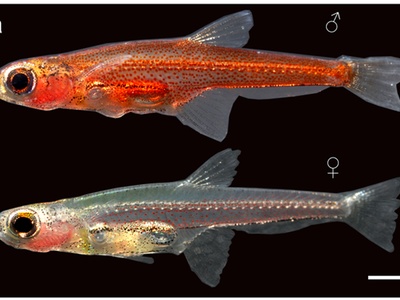
Paedocypris carbunculus
Another tiny peat-swamp cyprinid, reaching around 11–14 mm SL. Notable for its bright coloration in males and extreme paedomorphic features; it highlights how isolated blackwater habitats promote miniaturized fish species.
Schindleria brevipinguis
Minute, transparent “infantfish” of reef waters, often under 11 mm TL. Schindleria species mature rapidly and retain larval traits; S. brevipinguis has been cited among the smallest vertebrates and is notable for its tiny, delicate body.
Schindleria praematura
A tiny reef-dwelling infantfish reaching under ~12 mm TL. It keeps juvenile-like anatomy as an adult, living in planktonic or near-reef waters and attracting attention for its unusual life history and tiny size.
Photocorynus spiniceps (male)
Extraordinarily small parasitic male anglerfish (~6.2 mm TL) that fuses to a much larger female. The male’s minute adult size and parasitic lifestyle make it a striking example of extreme sexual dimorphism in fish.
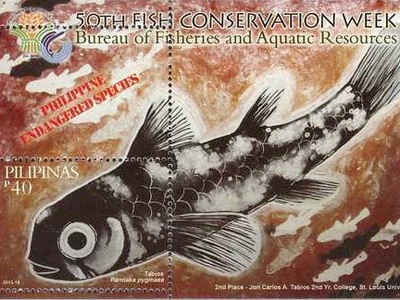
Pandaka pygmaea
Known as the dwarf pygmy goby, adults are about 11–12 mm SL. Remarkable for being one of the earliest-described “smallest fish,” it inhabits shallow freshwater and brackish waters and is popular in tiny‑fish discussions.
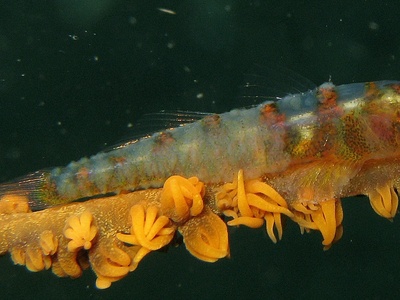
Trimmatom nanus
One of the tiniest reef gobies, reaching around 11 mm SL. It lives among rubble and coral with stealthy, cryptic behavior; its small size and colorful markings make it notable to underwater photographers and fish enthusiasts.
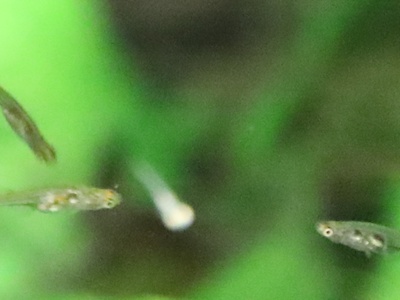
Danionella translucida
A tiny, almost transparent cyprinid reaching about 10–15 mm SL. It retains larval features as an adult, is used in neuroscience research for its tiny brain and transparency, and fascinates hobbyists and scientists alike.
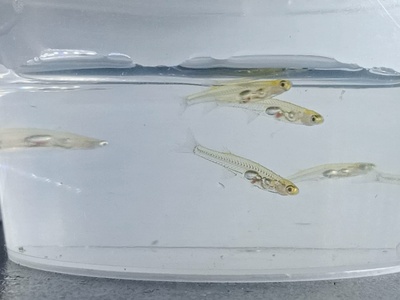
Danionella cerebrum
Minute danionin about 12 mm SL known for an unusually small but complex brain. Its transparency and small size have made it a model for neurobiological studies, while remaining a curious tiny freshwater fish.
Danionella dracula
A tiny cyprinid around 17 mm SL notable for bizarre bony jaw projections in males (hence “dracula”). Its miniature adult size, transparency and unusual male morphology attract research interest.

Sundadanio axelrodi
A small rasborine fish reaching about 25 mm SL that inhabits peat-blackwater streams. Its compact size, schooling behavior, and adaptation to acidic waters make it characteristic of Southeast Asian microfaunas.
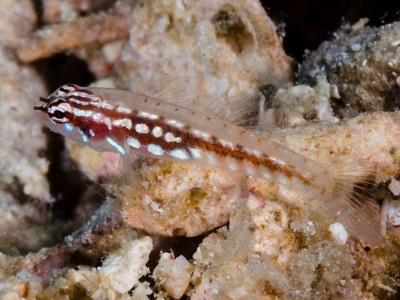
Eviota sigillata
A minute dwarf goby around 11 mm SL, living in reef crevices and coral rubble. Short‑lived and brightly patterned, it’s notable for tiny size and rapid life cycle common to many Eviota species.
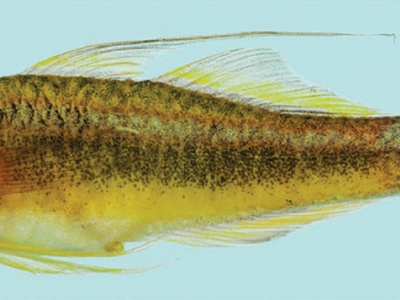
Trimma tevegae
Small goby species about 18 mm SL found in reef habitats. Noted for vivid coloration and small home ranges, it’s popular in studies of reef microhabitats and among aquarium hobbyists seeking mini gobies.

Trimma benjamini
A diminutive reef goby reaching roughly 16 mm SL, often found perched on rubble or corals. Its tiny size and bold colors make it an engaging example of reef microfauna and specialized niche occupation.