Ecuador has more threatened species on the IUCN Red List than any other country in Latin America. Six titi monkey species remain critically endangered as of 2025. Of the more than 150 glass frog species found across South America, 80 are already classified as threatened and 11 sit at critically endangered. None of that shows up in the “jaguars and macaws” listicles that dominate the search results for this topic — not because those animals aren’t at risk, but because they’re the easy answers.
This list skips past the usual headliners to cover the species that actually tell you where the continent’s extinction crisis is concentrated: a titi monkey with a range smaller than most cities, a toad wiped out by a fungus that spreads through water, a dolphin that gets killed as fishing bait. Each entry has a current IUCN Red List status, the country or region it’s found in, the primary threat it’s facing, and one fact that’s specific to that species — not a recycled description that would work for any animal on the list.
Table of Contents
- How Many South American Species Are at Risk
- 13 Endangered Species in South America
- What’s Actually Driving These Declines
- How You Can Actually Help
How Many South American Species Are at Risk
South America holds an outsized share of the planet’s biodiversity and a correspondingly large share of its threatened species. The IUCN Red List currently tracks thousands of South American plants and animals in the threatened categories — Vulnerable, Endangered, and Critically Endangered — with amphibians and primates among the hardest-hit groups. Below is a quick-reference summary of the 13 species covered in this article.
| Species | Range | IUCN Status | Primary Threat |
|---|---|---|---|
| Caquetá titi monkey | Colombia | Critically Endangered | Habitat loss, deforestation |
| Amazonian manatee | Amazon Basin (Brazil, Peru, Colombia, Ecuador, Bolivia) | Vulnerable | Hunting, drought |
| Podocarpus stubfoot toad | Ecuador, Peru | Critically Endangered | Chytrid fungus |
| Giant otter | Amazon and Orinoco basins | Endangered | Habitat loss, pollution |
| Golden lion tamarin | Brazil (Atlantic Forest) | Endangered | Deforestation, fragmentation |
| Andean cat | Andes (Peru, Bolivia, Chile, Argentina) | Endangered | Habitat loss, hunting |
| Hyacinth macaw | Brazil, Bolivia, Paraguay | Vulnerable | Illegal trapping, habitat loss |
| Giant armadillo | Widespread South America | Vulnerable | Deforestation, hunting |
| Spectacled bear | Andes (Venezuela to Bolivia) | Vulnerable | Habitat fragmentation, conflict |
| Amazon river dolphin (boto) | Amazon and Orinoco basins | Endangered | Targeted hunting for fish bait |
| Mountain tapir | Colombia, Ecuador, Peru | Endangered | Habitat loss, hunting |
| Blue-throated macaw | Bolivia | Critically Endangered | Habitat burning, past pet trade |
| Juan Fernández firecrown | Robinson Crusoe Island, Chile | Critically Endangered | Invasive species |
Belize’s 2025 National Red List identifies 106 threatened species, reflecting how conservation challenges mirror those across South America.
13 Endangered Species in South America
1. Caquetá Titi Monkey
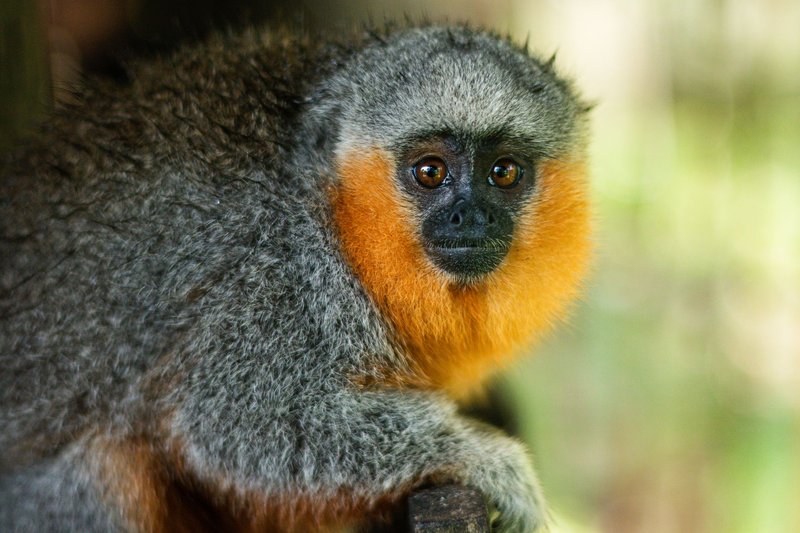
Plecturocebus caquetensis wasn’t formally described until 2010, when researchers working in Colombia’s Caquetá department realized the reddish-bearded monkey locals called “the friendly monkey” didn’t match any known species. It’s already Critically Endangered. Its entire known range sits within a patch of forest fragmented by cattle ranching and decades of armed conflict that kept biologists out of the region — the same conflict that, ironically, may have slowed the deforestation that’s now catching up fast. Six titi monkey species across South America carry the critically endangered designation, and the Caquetá titi is among the most range-restricted of them.
2. Amazonian Manatee
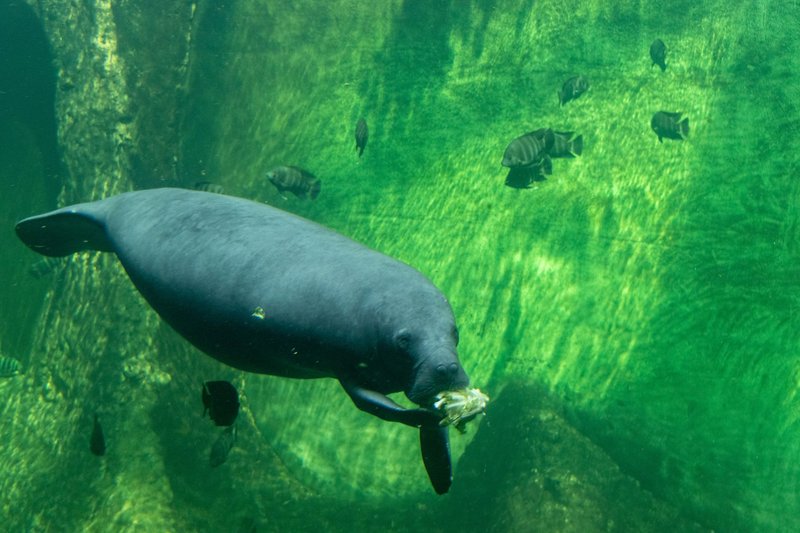
The only manatee species that lives exclusively in freshwater, Trichechus inunguis has no salt glands and can’t survive in the ocean like its Caribbean cousin. Population estimates run from roughly 8,000 to 30,000, a wide range that reflects how hard the species is to count in the Amazon’s murky water. Illegal hunting for meat remains the primary threat, and prolonged droughts in the basin have made it worse — low river levels strand manatees in shrinking pools where they’re easy targets for poachers.
3. Podocarpus Stubfoot Toad
The harlequin toads of genus Atelopus were once so common in Andean streams that researchers didn’t bother formally surveying them. Then chytridiomycosis arrived. Atelopus podocarpus, found in the cloud forests straddling the Ecuador–Peru border, saw its population collapse when the fungal pathogen Batrachochytrium dendrobatidis swept through the neotropics in the 1980s. Research on infected Atelopus populations shows the fungus can cut a toad’s remaining lifespan to a matter of weeks once infection takes hold. More than half of the roughly 100 known Atelopus species are now considered possibly extinct or critically endangered — this is one of the ones still hanging on.
4. Giant Otter
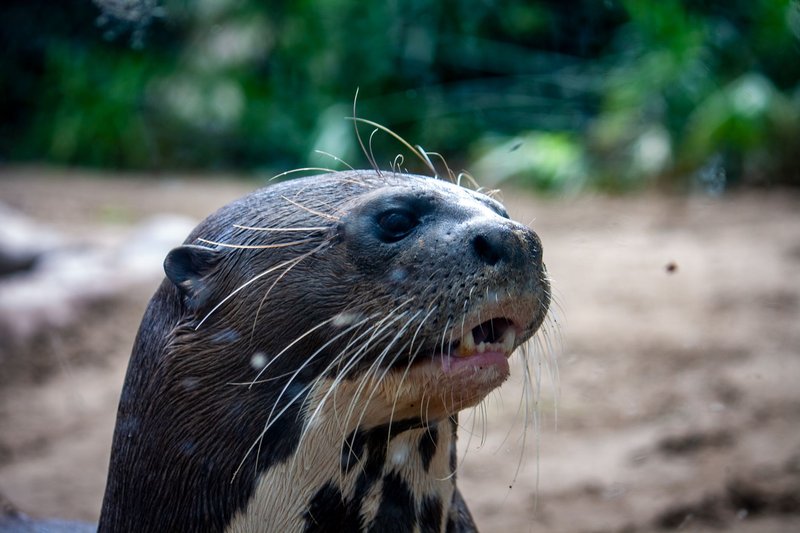
Pteronura brasiliensis can grow past six feet long and hunts in family groups noisy enough that boat guides on the Amazon can locate them by sound alone. That same visibility made them easy to hunt for pelts through most of the 20th century, and though the pelt trade has largely stopped, giant otters remain sensitive to river pollution — particularly mercury from illegal gold mining, which accumulates in the fish they eat. Populations have recovered in protected areas like Peru’s Manú National Park but remain fragmented and absent from large stretches of their historical range.
5. Golden Lion Tamarin
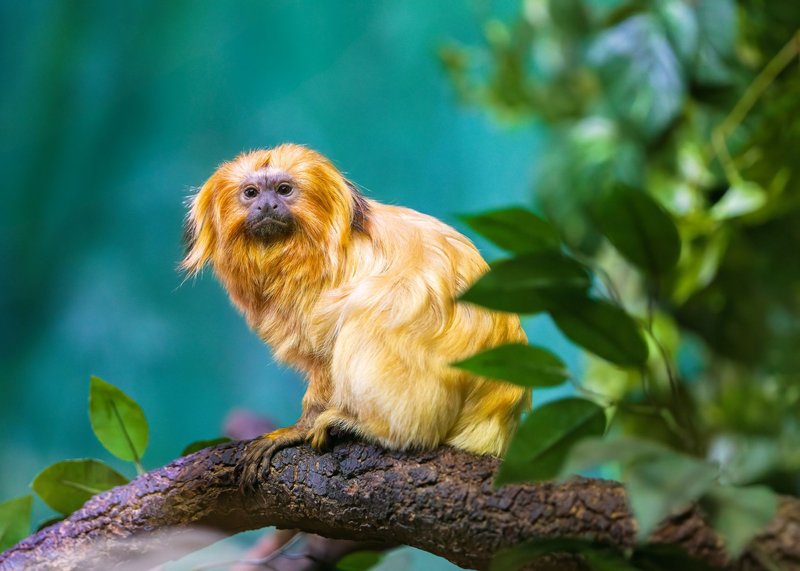
This small, copper-maned primate lives only in Brazil’s Atlantic Forest, a biome that’s lost more than 85% of its original cover to agriculture and urban sprawl. The golden lion tamarin was down to a few hundred individuals in the wild by the 1970s. A sustained reintroduction and habitat-corridor program pulled it back from the brink — WWF documented its reclassification from Critically Endangered to Endangered in the early 2000s, one of the few real conservation success stories on this list. It’s still Endangered, not safe, but it’s proof the trajectory can bend.
6. Andean Cat
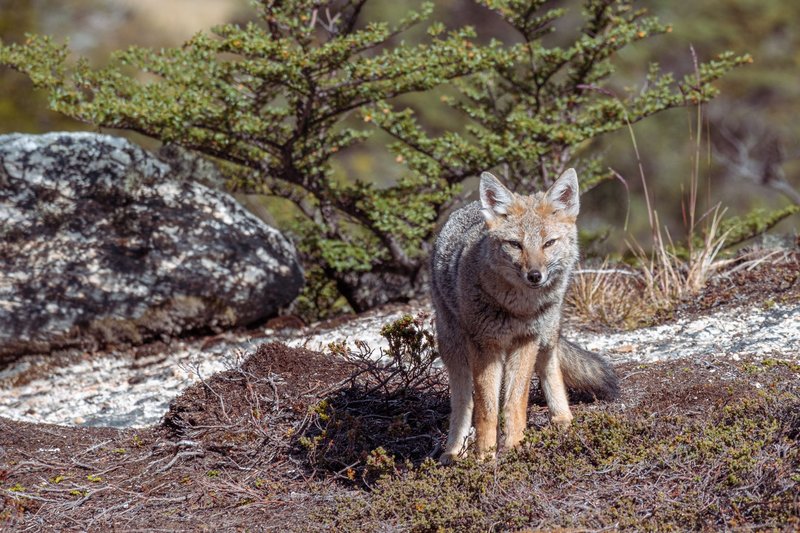
Fewer than 1,400 mature individuals of Leopardus jacobita are estimated to remain, scattered across the high, rocky slopes of the Andes above 3,000 meters in Peru, Bolivia, Chile, and Argentina. It’s rarer than the jaguar and gets a fraction of the attention. The Andean cat preys heavily on mountain vizcachas, a chinchilla relative, which means local declines in vizcacha populations from hunting or habitat change ripple directly into cat survival — a narrower food web than most predators on this list can afford.
7. Hyacinth Macaw
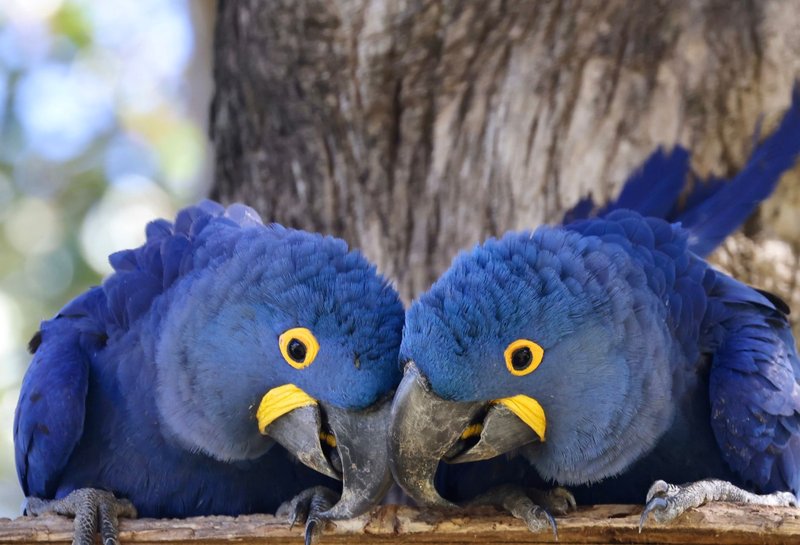
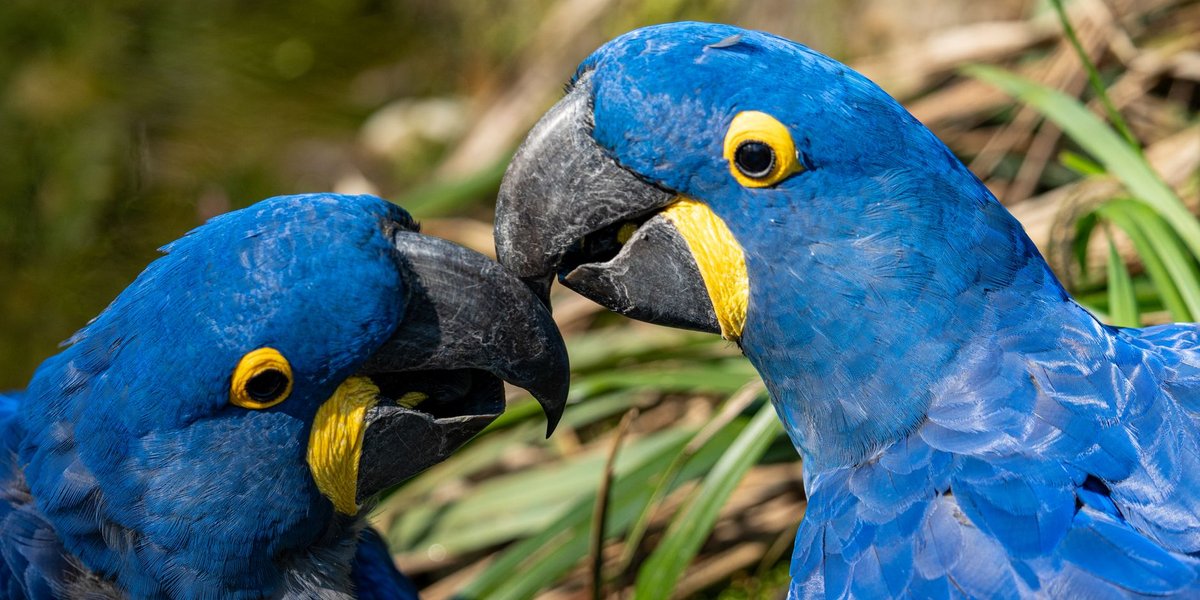
The largest flying parrot species in the world, with a wingspan that can top four feet, the hyacinth macaw depends on two specific palm species for food and on tree cavities in Brazil’s Pantanal and Cerrado for nesting. BirdLife International’s assessment lists it as Vulnerable, a status that worsened after severe wildfires burned through the Pantanal in recent years and destroyed nesting trees that take decades to mature. Illegal trapping for the pet trade, though reduced from its 1980s peak, hasn’t stopped entirely.
8. Giant Armadillo
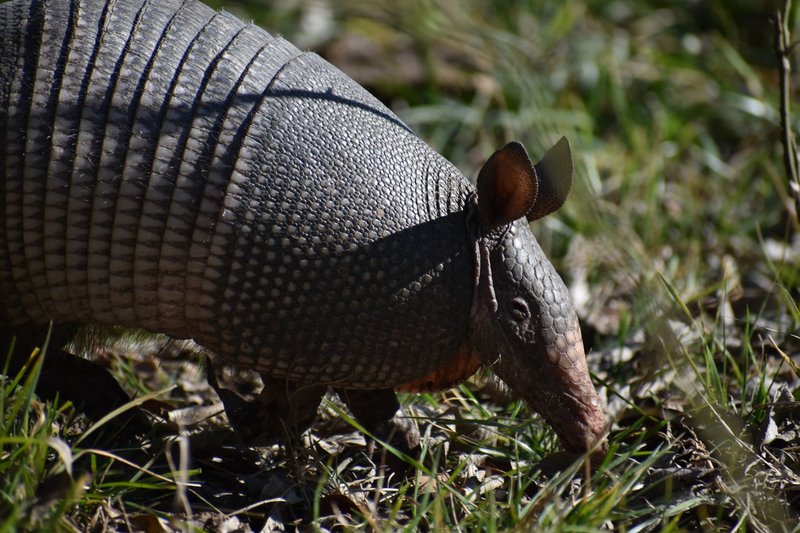
At up to 130 pounds, Priodontes maximus is the largest living armadillo and one of the least-seen mammals in South America — almost entirely nocturnal and solitary, digging burrows that dozens of other species later use as shelter, which makes it what biologists call an ecosystem engineer. The IUCN SSC Anteater, Sloth and Armadillo Specialist Group lists it as Vulnerable, driven by deforestation and hunting for meat across a range that spans nearly the entire continent but at increasingly low densities.
9. Spectacled Bear
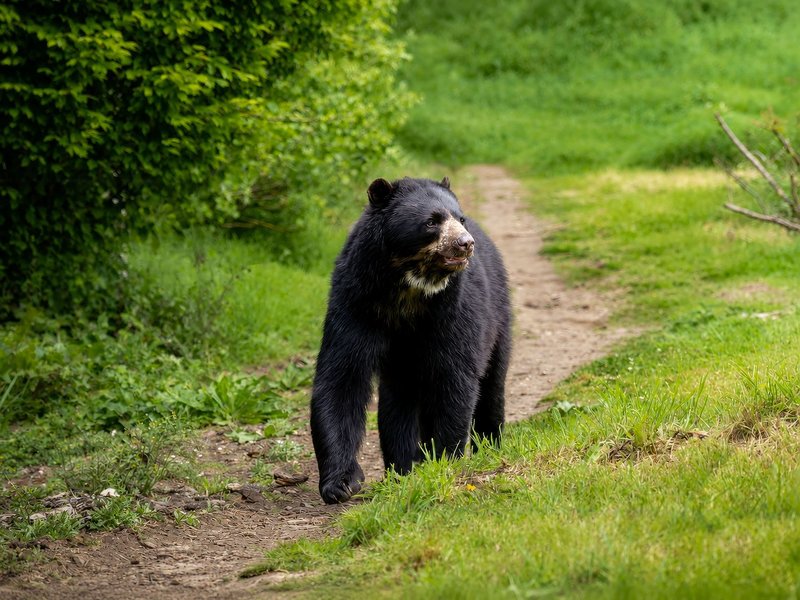
South America’s only bear species, Tremarctos ornatus is named for the pale rings that circle some individuals’ eyes — no two patterns are identical. It ranges through Andean cloud forest and páramo grassland from Venezuela down to Bolivia, but that range has fragmented into isolated pockets as agriculture climbs higher up the slopes. Farmers in some regions kill spectacled bears in retaliation for crop damage or livestock predation, even though documented attacks on livestock are relatively rare for the species.
10. Amazon River Dolphin (Boto)
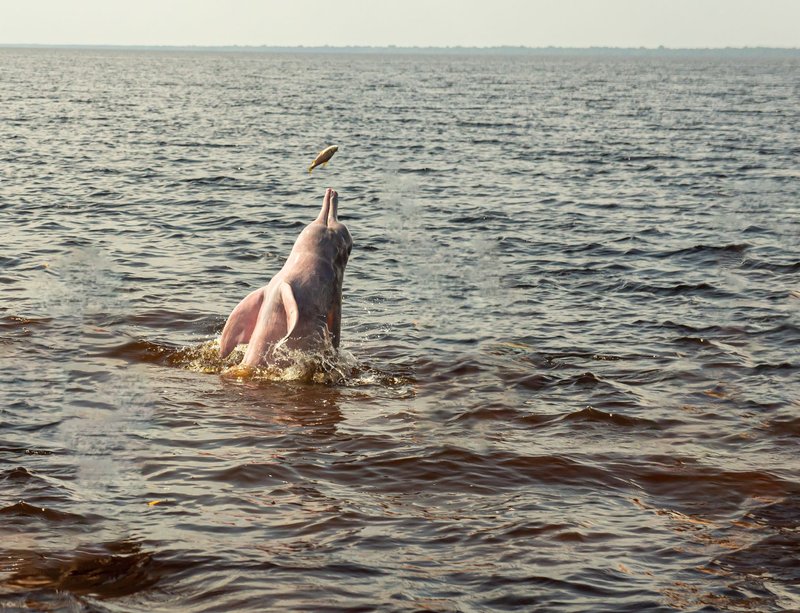
The pink coloring that makes Inia geoffrensis famous comes from scar tissue built up over a lifetime of social interaction — the more scarred, the older and often more dominant the individual. The IUCN uplisted the boto to Endangered in 2018 after evidence showed widespread targeted hunting, not for meat but as bait: the carcasses are used to catch a scavenger catfish called piracatinga, sold cheaply in urban markets. Dams across the Amazon and Orinoco basins compound the problem—like they do for other rainforest animals—by cutting populations into isolated groups with no way to interbreed.
11. Mountain Tapir
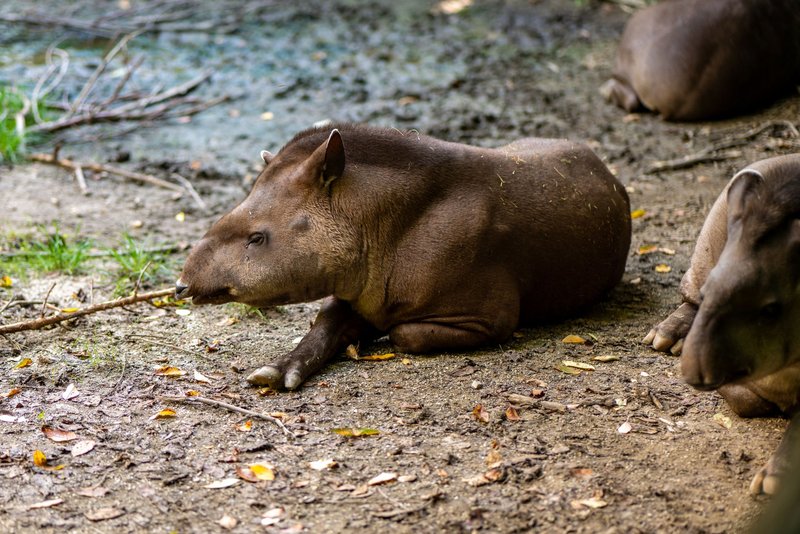
The smallest and most endangered of the world’s four tapir species, Tapirus pinchaque lives in the high-altitude forests and páramo of Colombia, Ecuador, and northern Peru, with an estimated total population around 2,500. Its thick, wooly coat is an adaptation to cold mountain air unusual among tapirs, most of which are lowland, warm-climate animals. Habitat loss from agriculture and hunting for meat have fragmented its range into small, disconnected pockets that limit genetic exchange between groups.
12. Blue-Throated Macaw
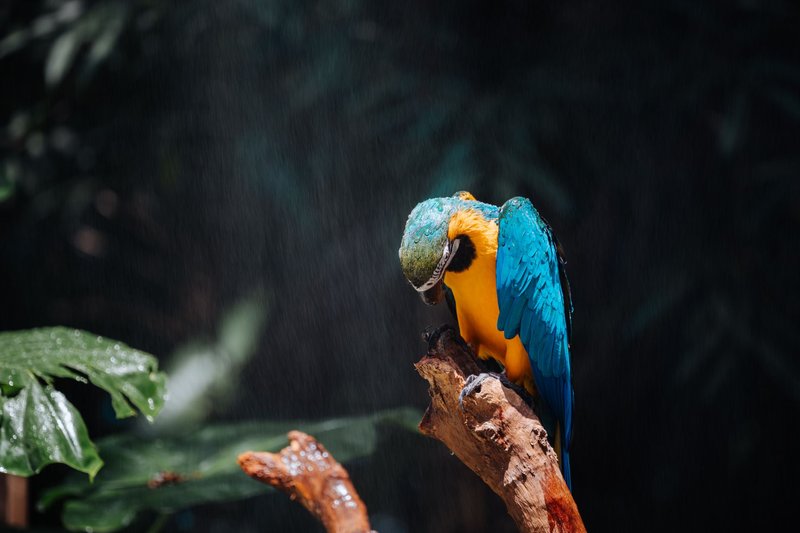
Endemic to a small area of seasonally flooded savanna in Bolivia’s Beni department, the blue-throated macaw had its wild population reduced to a few hundred birds by the pet trade before international protections took hold. It’s now Critically Endangered, with an estimated 350 to 400 mature individuals remaining. The bigger current threat isn’t trapping — it’s the deliberate burning of motacú palm groves for cattle pasture, which destroys the exact nesting trees the species can’t reproduce without.
13. Juan Fernández Firecrown
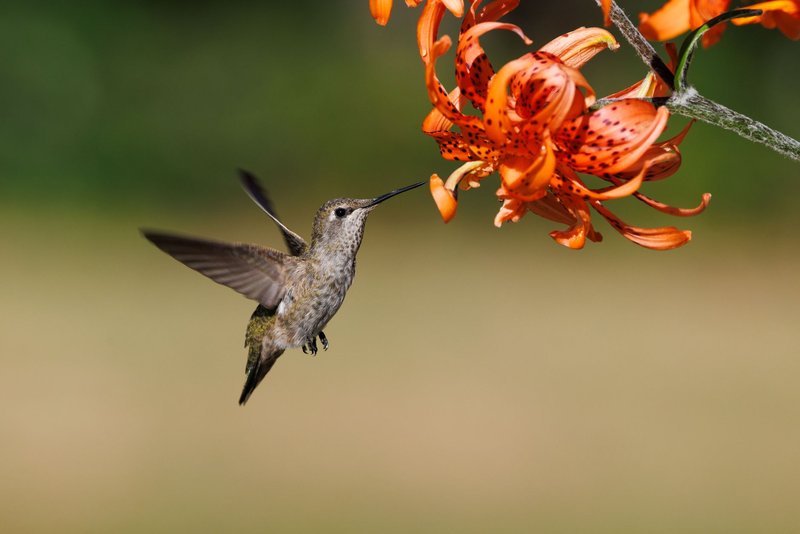
This hummingbird exists on a single island: Robinson Crusoe Island, part of Chile’s Juan Fernández Archipelago, roughly 400 miles off the mainland. Males flash an iridescent copper-red crown found nowhere else in the wild. Invasive blackberry has choked out the native forest understory the birds feed in, while introduced rats and coatis raid nests. With a total population estimated in the low thousands and confined to under 100 square kilometers, a single bad breeding season or disease outbreak could meaningfully move the needle on extinction risk.
What’s Actually Driving These Declines
Three threats show up across nearly every entry on this list, and none of them get explained in most roundups.
Chytrid fungus is a big reason South America has become the epicenter of the global amphibian extinction crisis. Batrachochytrium dendrobatidis infects a frog’s skin — the organ amphibians use to breathe and regulate water balance — and disrupts it enough to cause cardiac arrest. It spreads through water, meaning a single contaminated stream can wipe out an entire population in a season. Cooler, high-altitude Andean species like the Atelopus toads have been hit hardest, since the fungus thrives in the temperature ranges those species inhabit.
Illegal wildlife trade looks different by species. For hyacinth macaws it meant nest poaching for the pet trade in the 1980s. For the Amazon river dolphin it means a supply chain that starts with fish bait and ends in a fish market. For the Andean cat it’s largely indirect, tied to hunting of its prey species. The common thread is that enforcement across five to nine countries with porous, often remote borders is inconsistent at best.
Amazon deforestation doesn’t just remove trees — it fragments ranges into patches too small to sustain breeding populations, which is exactly the mechanism behind the Caquetá titi monkey’s and giant armadillo’s declines. Roughly 17% of the Amazon has already been cleared, and forest loss accelerates fastest along the “arc of deforestation” cutting through Brazil’s southern and eastern edges, precisely where several species on this list are concentrated.
How You Can Actually Help
Donating to a species-specific fund matters, but it’s not the only lever, and for a lot of readers it’s not the most practical one.
Buying certified sustainable products — coffee, cacao, palm-free goods — reduces the market pressure that drives forest conversion in the first place. Supporting ecotourism operators in the actual range countries puts a dollar value on live animals that competes with the value of cleared land or bushmeat. And if you’re ever in a position to report wildlife trafficking, most South American countries now have dedicated hotlines through their environmental ministries, and international reports can be filed through TRAFFIC or your national wildlife authority.
The species on this list aren’t disappearing because no one’s paying attention — some, like the golden lion tamarin, are proof that concentrated effort works. They’re disappearing because attention has clustered on a handful of famous animals while dozens of equally threatened ones go unnoticed. Knowing their names is a small start. Understanding what’s actually killing them is the part that leads somewhere useful.