Table of Contents
- The Short Answer
- What Dholes Actually Hunt
- Prey by Region
- How a Dhole Pack Makes a Kill
- Dholes vs. Wolves: Different Playbooks
- How Much a Dhole Eats in a Day
- Beyond Meat: What Else Dholes Eat
- Do Dholes Eat Livestock or Carrion?
- What Dholes Eat in Zoos
The Short Answer
Dholes are hypercarnivores — more than 70% of what they eat is meat, and most of that meat comes from deer. A pack of dholes, sometimes numbering more than 20 animals, can bring down a sambar deer five times the weight of any single dog, then strip it to bone in under half an hour. No waiting for the kill to die first. No solitary stalking. Everything about how a dhole eats is built around the pack.
That’s the whole story in miniature: coordinated hunting, ungulate prey, fast consumption, and a diet that fills in around the edges with whatever else is available. The rest of this breaks down exactly what’s on the menu, region by region, and how they get it.
What Dholes Actually Hunt
Sambar, chital (spotted deer), and wild boar make up close to two-thirds of a dhole’s diet by biomass, with sambar the clear favorite where it’s available. That’s not an accident — sambar are big, herd in forest cover dholes already patrol, and a single carcass feeds a large pack.
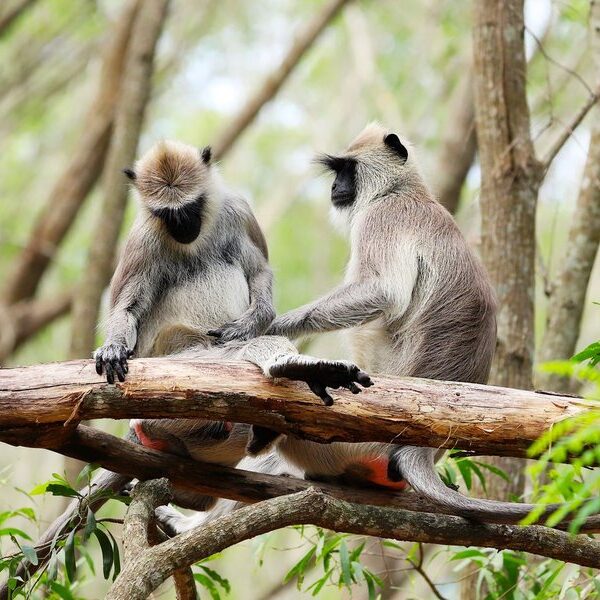
Below that top tier, dholes take muntjac (barking deer), mouse deer, gaur, banteng, water buffalo calves, nilgai, wild goats, and — in the northern edge of their range — reindeer and wild sheep. Smaller prey rounds things out: hares, rats, and langurs get taken opportunistically, especially by dholes hunting alone or in pairs rather than full packs.
The prey list looks a lot like a tiger’s or leopard’s, which is exactly the problem dholes face across most of their range — they’re competing directly with two of Asia’s other apex predators for the same sambar and chital, according to a peer-reviewed diet analysis in the Journal of Zoology.
Prey by Region
What’s on a dhole’s menu shifts with geography. Here’s how it breaks down across their range, which stretches from central India to the Russian Far East:
| Region | Primary Prey | Notes |
|---|---|---|
| India (central/south) | Chital, sambar, wild boar, gaur | Chital and sambar together often exceed 60% of biomass consumed |
| India (north/Terai) | Barasingha, hog deer, wild buffalo | Overlaps heavily with tiger territory |
| Southeast Asia | Muntjac, mouse deer, gaur, banteng | Denser forest cover, smaller average prey size |
| Siberia / Russian Far East (Ussuri dhole) | Reindeer, wild sheep, musk deer | Harsher winters push packs toward larger, fat-rich prey |
The common thread: wherever dholes live, they gravitate toward the biggest deer species the local forest can support, then supplement with whatever mid-size ungulate fills the gaps.
How a Dhole Pack Makes a Kill
Dholes hunt by day, mostly at dawn and dusk, using a coordinated split-and-flank approach that looks more like a relay than a chase. A few dholes tire the prey out from behind while others peel off and circle ahead, cutting off the escape route before the animal even sees them coming. They stay in contact with high-pitched whistles — a sound distinctive enough that field researchers use it to locate packs without ever spotting the animals.
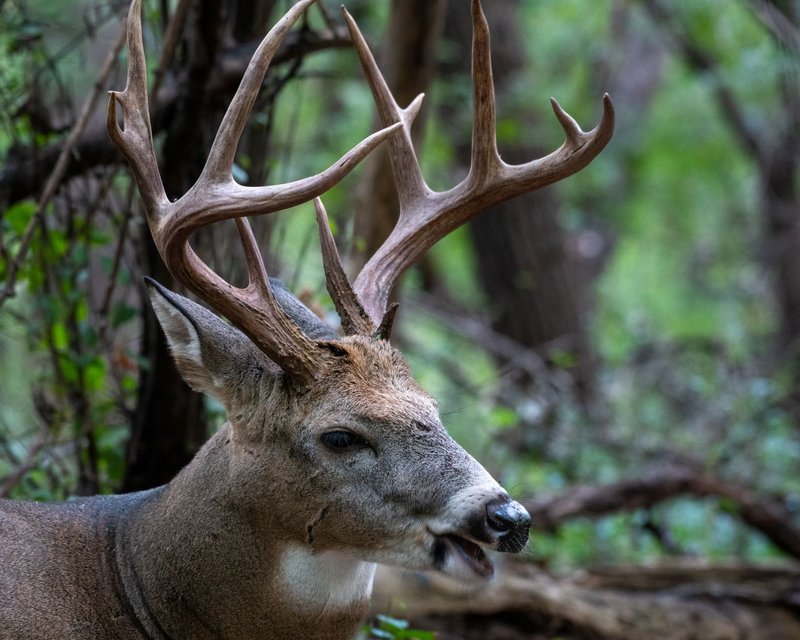
Unlike wolves or big cats, dholes don’t rely on a suffocating throat bite. They attack from the flanks and rear, going for the belly, hamstrings, and eyes, and they start feeding before the animal is dead — tearing open the flank to get at the heart, liver, and lungs first, leaving the stomach and rumen largely untouched. It reads as brutal on paper, but it’s also efficient: a kill that might take a lone predator ten minutes of suffocating a struggling animal takes a dhole pack seconds to immobilize.
Water is a favorite tool. Dholes will deliberately chase deer into rivers or ponds, where the pack can encircle a swimming animal that’s lost the traction and speed it would have on land.
Dholes vs. Wolves: Different Playbooks
It’s tempting to lump dholes in with wolves — both are pack-hunting canids that take down prey larger than themselves. The hunting styles, though, don’t match up.
Wolves rely on a killing bite to the throat or muzzle, often after a long chase that can run for miles. Dholes skip the throat bite almost entirely, favoring rapid disembowelment from multiple angles at once, which shortens the time to kill but makes for a messier takedown. Wolf packs also tend to be smaller and more hierarchical, built around a breeding pair; dhole packs are looser, larger, and multiple females within the same pack can raise pups in the same den. Dholes are also far more vocal in the field, using whistles to stay coordinated across dense forest where a wolf pack would rely more on sight and howls.
How Much a Dhole Eats in a Day
A dhole eats roughly 1 to 4 kg of meat a day depending on pack size, prey availability, and how recently they’ve fed. What’s more striking than the daily total is the speed: a hungry dhole can put away a quarter of its own body weight in about ten minutes when a fresh kill is on the ground. Dholes don’t cache food or guard a carcass for later — a kill left unfinished tends to draw tigers, leopards, or hyenas, so packs eat fast and eat now.
Beyond Meat: What Else Dholes Eat
Ungulates drive the diet, but dholes aren’t strict carnivores in the way, say, a cat is. They’ll eat insects, lizards, rodents, and — more than most other wild canids — fruit and vegetation. Field researchers and zoo keepers alike have noted dholes grazing on grasses and berries seemingly for their own sake, not just as a stomach settler when they’re unwell. It’s a small but real behavioral quirk that separates them from wolves and African wild dogs, which stick almost exclusively to flesh.
Do Dholes Eat Livestock or Carrion?
Rarely, and reluctantly. Dholes will take domestic livestock when wild prey is scarce, but studies of packs living near villages have found livestock making up as little as 10% of the diet even in areas with thin wild prey populations — a much lower rate than you’d see from a similarly pressured wolf or leopard population. Cattle and their calves in particular seem to get avoided; researchers describe dholes as having a real aversion to taking on cattle compared to wild ungulates of similar size.
Carrion isn’t a major food source for dholes — they’re built to hunt, not scavenge — but the kills they leave behind do plenty of work for other species. Partial carcasses abandoned mid-meal feed vultures, jackals, and corvids, making dholes a quiet subsidy for the rest of the scavenger community in whatever forest they patrol.
As for humans: dholes are not considered a threat. Direct attacks are effectively unheard of, and the animals typically avoid people altogether, a trait they share with African wild dogs but not with wolves. The dhole’s real conflict with humans runs the other way — the IUCN lists the species as Endangered, with fewer than 2,500 mature individuals estimated to remain, squeezed by habitat loss and prey depletion rather than the other way around.
What Dholes Eat in Zoos
Captive dholes eat a ground-meat carnivore diet formulated for zoo canids, supplemented with whole prey items like thawed rabbits and bones to gnaw on a couple of times a week — a routine documented at facilities including the San Diego Zoo Safari Park. Most zoos also offer the same grasses and produce dholes seek out in the wild, since keepers have found the animals eat plant matter voluntarily rather than only when their stomachs are upset. A single adult typically gets 1 to 3 kg of meat daily, scaled to body condition and activity level, which lines up closely with what field biologists have clocked for wild packs.
For a species this endangered, captive breeding programs matter — and getting the diet right, down to the grass, is part of keeping those programs viable. More on the conservation picture is available through Animal Diversity Web’s species account and National Geographic’s dhole profile.