Most “dangerous animals in Ecuador” pages are just species catalogs with a scary title bolted on — 2,000 entries, scientific names, no sense of which ones you’ll actually encounter or what to do about it. Ecuador has four wildly different ecosystems packed into one country, and what can hurt you in the Amazon has nothing to do with what can hurt you in the Andes or the Galápagos. So this isn’t a catalog. It’s a map.
TLDR
The animals worth actually worrying about in Ecuador: the fer-de-lance and bushmaster (Amazon lowlands, the ones responsible for most snakebites), black caimans and jaguars (rare encounters, high stakes if they happen), bullet ants (won’t kill you, will ruin your week), and — surprisingly — Andean pumas and black widow spiders in the highlands most tourists assume are safe. The coast has American crocodiles in specific mangrove pockets and bull sharks offshore. The Galápagos, despite the reputation, is the safest region on this list — its sharks have never killed anyone there. Piranhas are not on this list, because they don’t deserve to be.
Table of Contents
- How rare is this, actually?
- Amazon lowlands
- Andes and highlands
- Pacific coast
- Galápagos Islands
- Quick-reference severity table
- What to do if a snake bites you
- The piranha myth
How rare is this, actually?
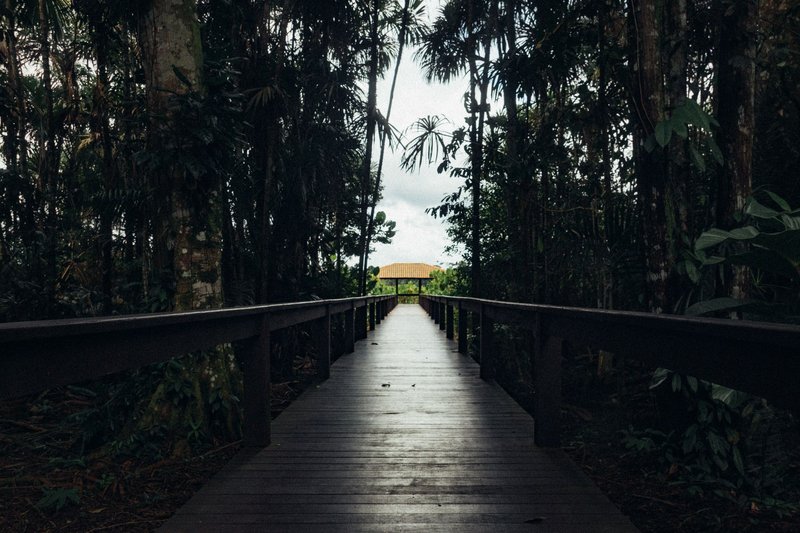
Snakebite is the real number to know. The World Health Organization estimates roughly 5.4 million snakebites happen globally each year, with the highest concentration in tropical agricultural regions — which describes a lot of rural Ecuador. Most bites happen to farmers and field workers in rubber boots, not tourists on a guided jungle walk. Jaguar attacks on humans in Ecuador are close to undocumented; you’re far more likely to hear one at 2 a.m. from inside a lodge than to see one at all. The animals that hurt visitors most often aren’t the famous ones — they’re ants, wasps, and the occasional territorial sea lion.
Amazon lowlands
This is where Ecuador’s genuinely dangerous wildlife concentrates, and it’s also where most travelers go looking for it on purpose. The forest snakes throughout the region represent the greatest hazard, with the fer-de-lance and bushmaster being the most dangerous species.
1. Fer-de-lance (equis)
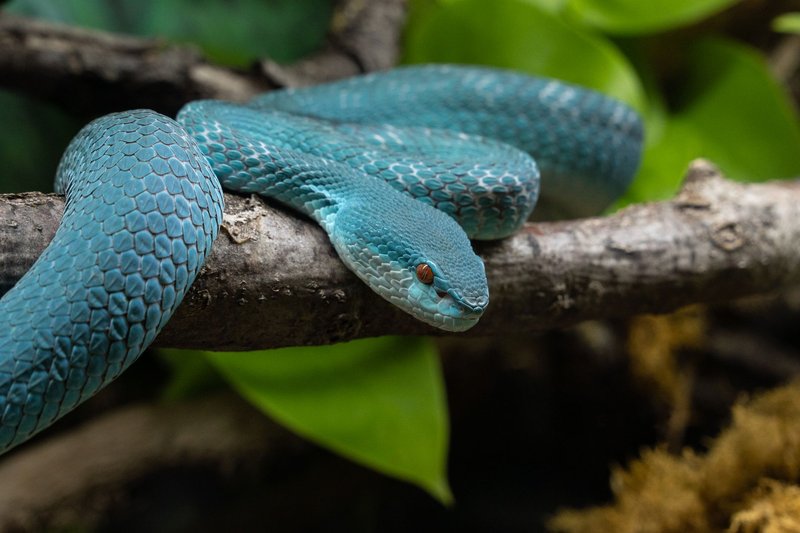
Locally called “equis” for the X-shaped pattern down its back, the fer-de-lance (Bothrops asper and related species) accounts for more serious snakebites in the Ecuadorian Amazon than any other species. A single bite can deliver around 105 mg of venom; roughly 50 mg is enough to kill an adult human. It’s not aggressive by nature, but it’s well camouflaged against leaf litter and doesn’t always rattle a warning first — most bites happen when someone steps too close without seeing it.
2. Bushmaster
Less commonly encountered than the fer-de-lance but more dangerous per bite, the bushmaster is the largest venomous snake in the Americas and delivers a bigger venom load than almost anything else in the region. It prefers deep, undisturbed forest away from trails, which is the main reason bites are rare — you have to go looking for trouble.
3. Black caiman
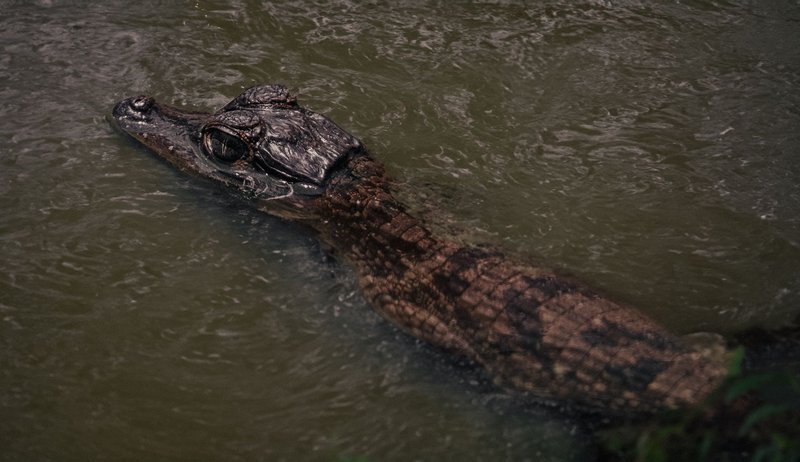
The black caiman can grow past 4 meters and is the Amazon basin’s largest predator, full stop — bigger than any jaguar. It’s listed by the IUCN as a species that suffered severe hunting pressure through the 20th century and is still recovering in parts of its range. Attacks on people are uncommon and mostly linked to provoking or cornering one at close range near riverbanks at night, which is exactly when they hunt.
4. Jaguar
The jaguar is the animal every Amazon brochure leads with and the one you’re least likely to see. They’re solitary, mostly nocturnal, and actively avoid humans. Confirmed jaguar attacks on people in Ecuador are essentially not a documented pattern — the risk here is more reputational than statistical.
5. Bullet ant
The bullet ant sits at the top of the Schmidt Sting Pain Index, rated 4.0+ and described by researchers as feeling like walking on hot coals with a nail in your heel — pain that can stay near full intensity for close to 24 hours. It’s not medically dangerous to a healthy adult unless you’re allergic, but it’s the animal on this list most likely to actually get you, since colonies nest at the base of common rainforest trees.
Andes and highlands
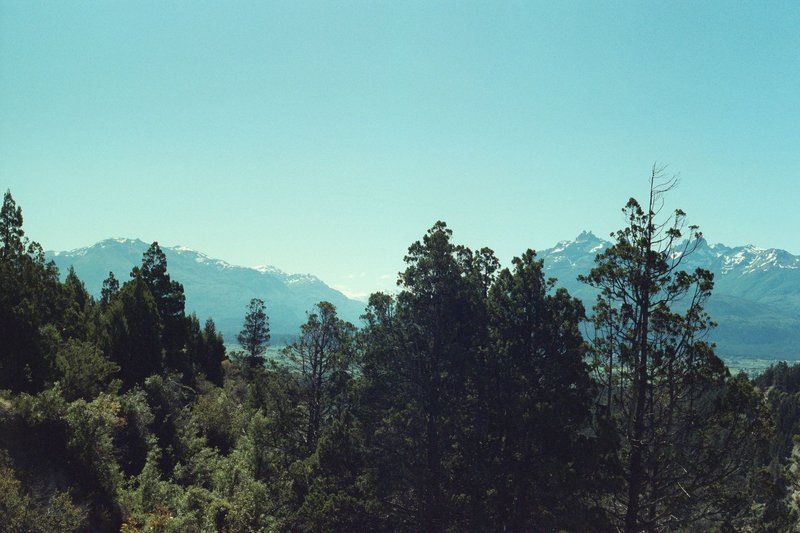
Most safety guides skip this region entirely, which is a mistake — the Andes aren’t a buffer zone, they have their own risk profile.
6. Puma
Ecuador’s Andean cougar population is thin and shy, sticking to páramo and cloud forest well above where most tourism happens. Livestock predation is the more common conflict; attacks on hikers are not something local guides treat as a real concern, but the country’s remaining big cats live here, not in the lowlands most people associate with danger.
7. Andean (spectacled) bear
South America’s only bear species is genuinely reclusive — it will hear or smell you long before you see it, and it usually leaves. The exception is a mother with cubs or an animal that’s been fed by tourists and lost its wariness, which is precisely why guides discourage feeding wildlife anywhere in the country.
8. Black widow spider
Black widows turn up across a much wider elevation range in Ecuador than people expect, including highland towns and agricultural buildings. The bite itself is often barely felt, but the neurotoxin causes muscle cramping and pain that can spread from the bite site over hours — unpleasant, rarely fatal with basic medical care, but worth taking seriously if it happens.
Pacific coast
9. American crocodile
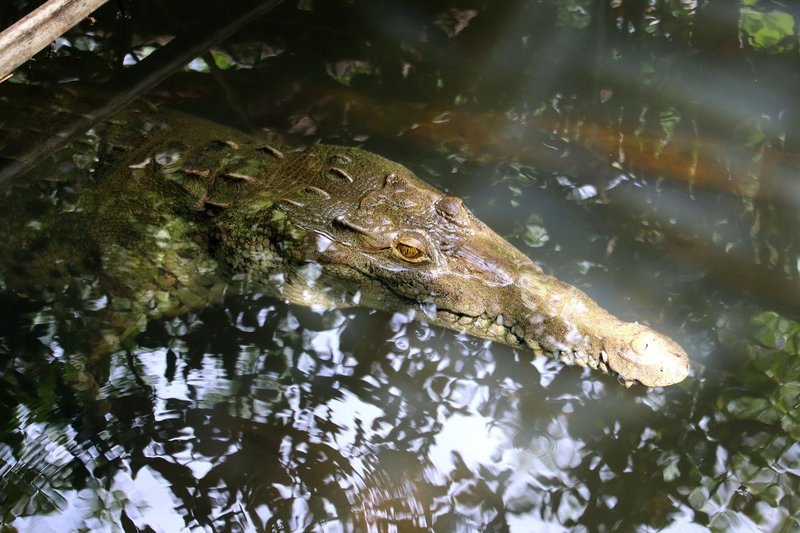
Ecuador’s coastal mangroves — particularly protected pockets like the Churute estuary system — hold a resident American crocodile population. They’re less commonly encountered than caimans in the Amazon simply because there’s less crocodile habitat left along the developed coastline, but where they exist, the same rule applies: stay back from the water’s edge at dusk and dawn.
10. Bull shark
Bull sharks tolerate brackish and even freshwater and show up in coastal waters near spots like Puerto López. They’re one of the shark species most frequently implicated in attacks worldwide because they’re comfortable in the shallow water where people swim — but confirmed incidents along Ecuador’s coast are rare enough that they don’t feature in serious travel-risk discussions.
11. Scorpions
Coastal and lowland Ecuador has several scorpion species, most delivering a sting comparable to a hard wasp sting — painful, occasionally requiring medical attention for a severe reaction, essentially never lethal to a healthy adult.
Galápagos Islands
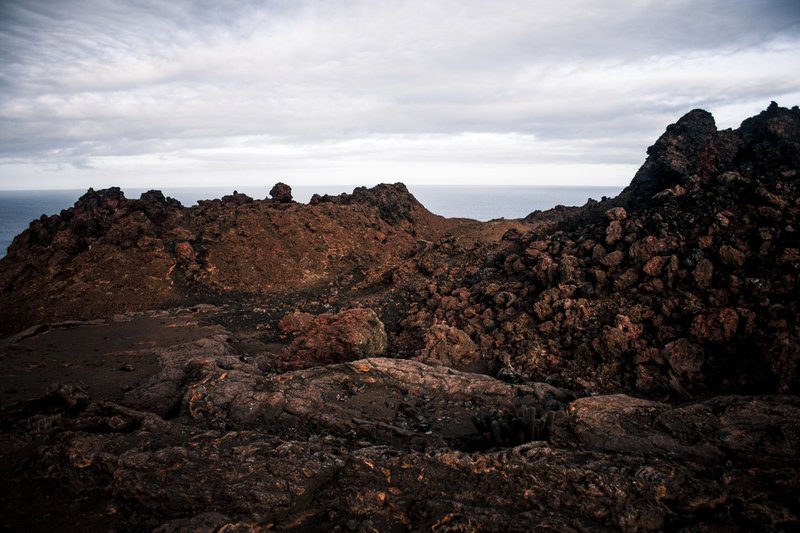
The Galápagos has the scariest-looking cast list on this entire page and the lowest actual risk. That’s worth sitting with for a second.
12. Galápagos shark
Since record-keeping began in the islands in 1854, only eight shark-related incidents have ever been logged there, and none have been fatal. Galápagos sharks look the part — broad-bodied, curious, often circling divers — but the aggression people project onto them doesn’t match the record.
13. Galápagos sea lion
The one animal on this list that causes the most actual tourist injuries is the sea lion, and it’s rarely serious — a nip or a charge from a territorial bull protecting his stretch of beach during breeding season. Guides brief every visitor on this because it’s the most likely “animal incident” you’ll have in the entire archipelago, and it’s also the most avoidable: give bulls space and don’t get between them and the water.
Quick-reference severity table
| Animal | Region | Real risk to travelers | Why |
|---|---|---|---|
| Fer-de-lance | Amazon | Moderate | Most common serious snakebite source |
| Bushmaster | Amazon | Low (rare encounter) | Deep-forest species, big venom load if bitten |
| Black caiman | Amazon | Low | Provoked or nighttime riverbank encounters |
| Jaguar | Amazon | Very low | Avoids humans, sightings themselves are rare |
| Bullet ant | Amazon | High (non-lethal) | Common, extremely painful sting |
| Puma | Andes | Very low | Shy, high-elevation range |
| Andean bear | Andes | Very low | Reclusive unless fed or cornered |
| Black widow | Andes/wide range | Low | Bite is treatable, rarely fatal |
| American crocodile | Coast | Low | Limited remaining habitat |
| Bull shark | Coast | Low | Present but attacks not a real pattern |
| Scorpion | Coast/lowlands | Low | Painful, not lethal to healthy adults |
| Galápagos shark | Galápagos | Very low | Zero recorded fatalities in the islands |
| Sea lion | Galápagos | Moderate (minor injury) | Most common actual incident, rarely serious |
What to do if a snake bites you
According to CDC guidance on venomous snakebites, the folk remedies most people have heard of are the ones to avoid. Don’t cut the wound, don’t try to suck out venom, don’t apply a tourniquet or ice, and don’t take aspirin or ibuprofen — some venoms affect clotting, and NSAIDs can make bleeding worse. What actually helps: keep the bitten limb still and roughly at heart level, remove rings or watches before swelling starts, wash the area with soap and water, cover it with a clean dry dressing, and get to medical care immediately. If you can safely note the snake’s color and pattern without getting closer to it, that detail helps clinicians pick the right antivenom — but don’t waste time chasing a photo. Ecuadorian jungle lodges in snake territory typically stock antivenom or have a fast evacuation protocol for exactly this reason; ask about it before you head out on a guided walk.
The piranha myth
Piranhas have the worst PR-to-actual-danger ratio of any animal in South America. The species found in Ecuadorian Amazon waters mostly scavenge and eat other fish, and documented attacks on swimming humans are almost always linked to unusual conditions — stressed, cornered, or starving fish in a shrinking pool during extreme low water, not the rivers and lagoons on a typical Amazon lodge itinerary. Locals swim in piranha-inhabited water regularly. The animal on this list that’s actually likely to bite you in the water is a territorial sea lion in the Galápagos, and even that bite is rarely more than a bruise and a good story.
Ecuador’s real risk profile isn’t hidden in some obscure corner of the rainforest — it’s concentrated in a short, specific list, most of it avoidable with basic awareness of where you’re walking and what time of day it is. The country’s reputation for danger outpaces its actual incident record almost everywhere except the Amazon’s snake population, and even there, a guide who knows the trail cuts the risk to close to nothing.