Short answer: feed a baby snake one frozen-thawed whole rodent sized to its body: a pinky mouse for a corn, king, milk or rat snake hatchling, a rat pup for a ball python. Thaw it in the fridge, warm it to about body temperature and offer it with tongs every 5 to 7 days. Never feed live or wild-caught mice, and never feed people food such as chicken, ground beef, milk or fruit. Garter and ribbon snakes are the exception: they start on cut earthworms and thiaminase-free fish before moving to scented pinkies.
The chart below sorts common foods into safe staples, small amounts only and never feed. Search any food to see where it falls. Under the chart are setup steps, how to thaw and offer prey, a schedule by age, species notes and a printable cheat sheet. This guide covers captive-bred pet snakes. A snake that stops eating, loses weight or regurgitates needs a reptile vet. If you found a baby snake outside or in your house, start with the box.
Found a wild baby snake?
Can a baby snake eat it?
Safe staples (7)
- Safe to feed. The first food for corn, king, milk and rat snake hatchlings. Thaw fully, warm to about 100 °F and offer one on tongs.From first shed#
- Safe to feed. The step after pinkies as the snake grows. Pick a size no wider than the widest part of its body.Ages 6–12 months#
- Safe to feed. Young mice for juveniles. Still frozen-thawed and no wider than the snake's widest point, about 10% of its weight.From 6 months#
- Safe to feed. A complete diet for adult corn, king, milk and rat snakes. Whole mice supply the bones and organs that cuts of meat lack.From 1 year#
- Safe to feed. Ball pythons can start on rat pups or crawlers and stay on rats for life. Size up as they grow, about 10–15% of body weight.From first shed#
- Safe to feed. A staple for garter, ribbon, brown and ringneck snakes, cut to size and several at a time. Corn snakes and pythons don't eat worms.From first shed#
- Safe to feed. A clean, heavy dish big enough to soak in, changed daily. Offer it from hatching, long before the first meal.All ages#
Small amounts only (9)
- Small amounts only. Whole raw quail eggs are an occasional extra for adult corn and rat snakes. Too big for hatchlings and no replacement for mice.From 1 year#
- Small amounts only. Frozen-thawed button quail or chicks add variety for adult corn and rat snakes. Mice stay the staple.From 1 year#
- Small amounts only. Use one only to scent a pinky for a hatchling that refuses mice. Wild-caught lizards can carry parasites, so don't feed them whole.From first shed#
- Small amounts only. Natural prey for hognose and garter snakes. Use mainly as scent on mice, and freeze any wild frog first to cut parasite risk.From first shed#
- Small amounts only. Feeder fish for garter and ribbon snakes. Rotate them with worms and scented mice, since an all-fish diet risks vitamin B1 loss.From first shed#
- Small amounts only. Cut into small pieces for garters. Reptiles Magazine feeds them, but ReptiFiles advises avoiding them, so keep them in rotation only.From first shed#
- Small amounts only. Brown gerbils can tempt a ball python that ignores white mice. Frozen-thawed and sized like any other prey.From 6 months#
- Small amounts only. Food for insect eaters like rough green snakes, gut-loaded and only now and then. Corn snakes, pythons and garters don't eat insects.From first shed#
- Small amounts only. Waxworms, moths and spiders suit rough green snakes better than crickets. Not food for snakes that eat rodents or fish.From first shed#
Never feed (13)
- Never feed. A live rodent can bite back, and even a small bite can cause a fatal infection. Feed frozen-thawed; ask a reptile vet before trying live.
- Never feed. Wild mice and rats can carry parasites and disease. Buy captive-bred frozen feeders instead.
- Never feed. These feeder fish carry thiaminase, which destroys vitamin B1. Long-term feeding can cause a fatal deficiency in garter snakes.
- Never feed. Smelt, herring, mackerel, catfish and tuna contain thiaminase too. It strips vitamin B1 from fish-eating snakes.
- Never feed. Muscle meat has almost no calcium for its phosphorus. Snakes need whole prey with bones and organs, not cuts of meat.
- Never feed. Hamburger, steak, hot dogs and deli meat lack the bones, organs and calcium of whole prey, so they leave the diet unbalanced.
- Never feed. Made for dogs and cats. A snake needs whole prey with bones and organs, which RSPCA Australia calls nutritionally complete.
- Never feed. Hard-shelled larvae that rodent and fish eaters ignore. Even green snakes do better on soft insects; hard ones can cause regurgitation.
- Never feed. Composting worms that garter keepers warn against. ReptiFiles says never to use them as feeders.
- Never feed. All snakes are carnivores. Bread, crackers, rice and cereal give a snake nothing it can use.
- Never feed. Snakes are reptiles and don't drink milk. The milk snake story is a myth, and dairy is not snake food.
- Never feed. All snakes are carnivores. Banana, apple, berries, lettuce, carrots and other produce have no place in a snake's diet.
- Never feed. Never feed prey still cold inside, and never microwave it: it heats unevenly. Thaw in the fridge, warm in water and never refreeze.
Sources
- Nutrition in Snakes — Merck Veterinary Manual
- Nutrition in Reptiles — Merck Veterinary Manual
- Feeding Pet Snakes (Rich, Hess, Axelson) — VCA Animal Hospitals
- Snakes: Colubrid (Rich, Axelson) — VCA Animal Hospitals
- Snakes: Constrictor — VCA Animal Hospitals
- Common Problems in Pet Snakes — VCA Animal Hospitals
- What Do Snakes Eat? (Maria Zayas, DVM) — PetMD
- Corn Snake Care Sheet (Maria Zayas, DVM) — PetMD
- Ball Python Care Sheet (Maria Zayas, DVM) — PetMD
- Snake Handling and How To Pick Up a Snake Safely — PetMD
- Colubrid Snake Care Sheet (vet reviewed) — Chewy (retailer)
- The Vet Report: Reptile Vomiting and Regurgitation (Douglas Mader, DVM) — Reptiles Magazine
- Ball Python Care Sheet (Kevin McCurley) — Reptiles Magazine
- Ball Python History, Care And Breeding (Rebekah Pettit) — Reptiles Magazine
- Garter Snake Care Sheet (Jeff Benfer) — Reptiles Magazine
- Garter Snake Care And Breeding Tips (Scott Felzer) — Reptiles Magazine
- Rough Green Snake Diet (Margaret Wissman, DVM) — Reptiles Magazine
- What Do Corn Snakes Eat? Diet and Feeding Guide — ReptiFiles
- What to Feed a Ball Python: Diet and Feeding Guide — ReptiFiles
- What Do Hognose Snakes Eat? Diet and Feeding Guide — ReptiFiles
- Garter Snake Care: Habitat and Health — ReptiFiles
- What Do Tegus Eat? (thiaminase fish list) — ReptiFiles
- Corn Snake Lighting, Heat and Humidity Requirements — ReptiFiles
- Your New Pet Hognose Snake: Shopping List — ReptiFiles
- Hatchling Snakes (Maryann Jazbec) — Melissa Kaplan's Herp Care Collection
- Frequently Asked Questions — RodentPro (feeder supplier)
- Frozen Feeders Thawing Guide — That Pet Place (retailer)
- What should I feed my reptile? — RSPCA Australia
- Corn Snake — North Carolina Wildlife Resources Commission
- Snakes: guidance for wildlife control agents (PDF) — North Carolina Wildlife Resources Commission
- Eastern Copperhead — Missouri Department of Conservation
- Missouri Copperheads — Missouri Department of Conservation (Missouri Conservationist)
- What To Do If You Found a Sick or Injured Snake — Tufts Wildlife Clinic, Cummings School of Veterinary Medicine
- Safely coexist with snakes — Florida Museum of Natural History
- Eastern Milk Snake — University of Virginia, Mountain Lake Biological Station
- Dekay's Brownsnake — Missouri Department of Conservation
- Find A Vet — Association of Reptile and Amphibian Veterinarians
- Reptile and Amphibian Rescue — International Wildlife Rehabilitation Council
Setting up a feeding routine for a baby snake
Most pet hatchlings come from a breeder or store that has already fed them a few times. Feeding goes smoothly when the enclosure is warm, the prey is the right size and the snake is left alone around meals.
1. Ask for the feeding record
Ask the breeder what the snake eats, how often and when it last ate. Hatchlings eat for the first time after their first shed, about 1 to 2 weeks after hatching, and should be feeding within about a month, according to a hatchling care article in Melissa Kaplan’s Herp Care Collection. Many ball python breeders start hatchlings on live prey, Reptiles Magazine notes, so a new ball python may need to be switched to frozen-thawed.
2. Get the temperatures right first
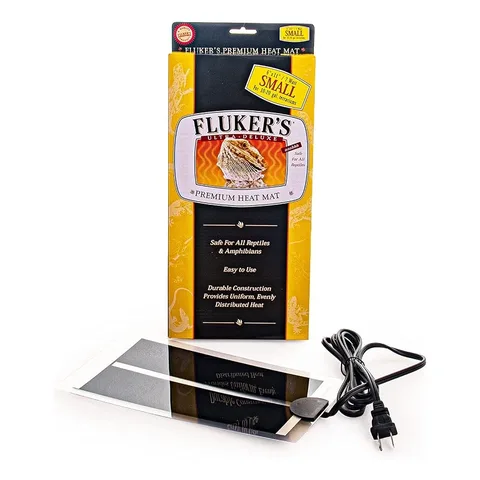
A cold snake doesn’t eat and can’t digest. Board-certified reptile vet Douglas Mader writes that low temperature and handling too soon after a meal cause about 90% of regurgitation. Run any heat mat through a thermostat and check the warm and cool sides with a digital probe thermometer, not a stick-on strip.
3. Pick a feeding day and keep to it
Most hatchling colubrids eat every 5 to 7 days. Write the date, the prey and whether the snake ate on a log so you can spot a pattern of refusals.

What to feed a baby snake: frozen-thawed whole prey
Snakes are carnivores that eat whole animals. A whole rodent supplies bones, organs and the calcium a growing snake needs, and RSPCA Australia calls whole prey “usually a nutritionally complete package.” PetMD calls frozen prey “the diet of choice for snakes.” Three rules decide the meal:
- Whole, frozen-thawed prey. Commercially bred and humanely killed, sold frozen by size: pinky, fuzzy, hopper, adult.
- Sized to the snake. No wider than the widest part of the snake’s body and about 10% of its weight. Ball pythons take 10 to 15%, according to ReptiFiles. Hognoses do best with prey no wider than the head.
- No supplements needed. VCA Animal Hospitals says pet snakes fed whole prey don’t need vitamins. Snakes fed fish, worms or insects are the exception (see the species notes).
Buy feeders from a reptile feeder supplier and use them within about 6 months, the frozen storage limit in the Merck Veterinary Manual.
Why not live prey?
A mouse fights back. VCA warns that “even a small bite from a mouse can cause a severe, potentially life-threatening infection in the snake,” and RSPCA Australia says no circumstance justifies feeding live rodents. Some keeper guides allow a supervised live meal for a snake that refuses everything else. Ask a reptile vet before trying that, and never leave a live rodent in the enclosure.
Foods that harm baby snakes
- Wild-caught mice. They carry parasites and disease, as ReptiFiles and VCA both warn.
- Chicken, ground beef, hot dogs and deli meat. Muscle meat without bones is badly short on calcium. The Merck Veterinary Manual gives chicken muscle a calcium-to-phosphorus ratio of 0.05, against 1.37 in adult mice.
- Dog and cat food. Made for mammals, not snakes, and no substitute for whole prey.
- Milk and cheese. The story of milk snakes drinking from cows is, in the words of the University of Virginia’s Mountain Lake Biological Station, “a total anatomical impossibility.” Snakes drink water.
- Bread, fruit and vegetables. Every pet snake is a carnivore. Plant foods pass through without feeding it.
- Goldfish, rosy reds and smelt. These fish carry thiaminase, an enzyme that breaks down vitamin B1. Reptiles Magazine warns that a fish-heavy garter diet can cause a fatal deficiency.
- Mealworms and red wigglers. Hard-bodied insects can cause regurgitation in insect-eating snakes, and ReptiFiles says never to use red wigglers as feeders.
How to thaw and feed a pinky mouse
Thawing takes a day of planning and about 20 minutes on feeding day.
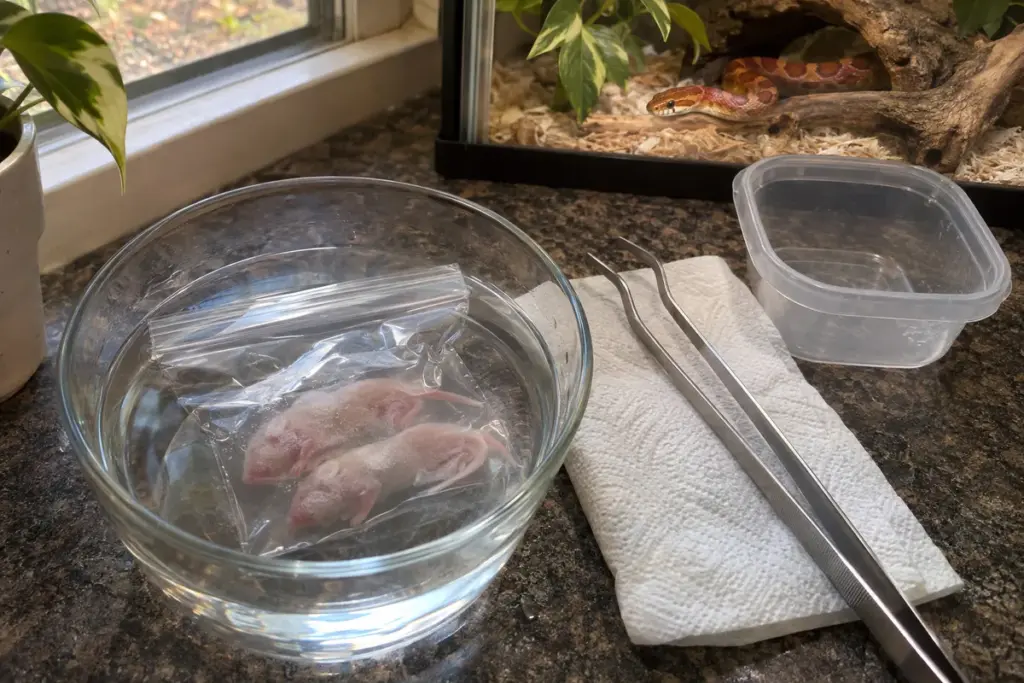
- Move the prey to the fridge the day before. The Merck Veterinary Manual thaws prey under refrigeration. Keep it away from the kitchen sink and food prep areas.
- Warm it in a sealed bag. Put the thawed pinky in a zip bag and float it in warm water for 15 to 30 minutes until it reaches about 98 to 100 °F. A temperature gun takes the guessing out of it.
- Never microwave it. PetMD and feeder suppliers warn that microwaves leave hot spots. Never offer prey that is still frozen inside: squeeze the belly to check for cold spots.
- Offer it with tongs. Hold the prey with feeding tongs, not fingers, and wiggle it slowly near the snake’s head. Wash your hands first: PetMD notes that a snake can mistake a hand that smells of prey for food.
- Throw away what it doesn’t eat. Try again on the next feeding day with a fresh feeder. Never refreeze thawed prey.
- Don’t handle it for 48 hours. PetMD says to wait at least 48 hours after a meal, and the Merck Veterinary Manual says 3 days after a large one. Handling a full snake is a common cause of regurgitation.
Baby snake feeding schedule by age
The schedule follows corn snakes, the most common pet species, with ball python, garter and hognose differences in each row. Sources disagree on hatchling frequency, from every other day to every 10 days. The table uses every 5 to 7 days, the current ReptiFiles figure for corn snakes, because overfeeding and obesity are common in pet snakes. Ages are approximate: go by the snake’s size and weight.
| Age | What it looks like | Food | Amount | How often | Notes |
|---|---|---|---|---|---|
| 0–2 weeks | Fresh from the egg or just born; eyes turn dull or bluish before the first shed | Nothing yet. It still lives on its yolk | A shallow dish of clean water only | Don't offer food until after the first shed | The first shed comes about 1–2 weeks after hatching. A few eat sooner; most won't. |
| 2 weeks–6 months | Pencil-thin hatchling; a corn snake is about 8–20 inches long | One frozen-thawed pinky mouse; ball pythons a rat pup | One prey item no wider than the widest part of the snake, about 10% of its weight | Every 5–7 days; ball pythons weekly; garters and hognoses every 4–5 days | Weigh it weekly in grams. Skipping more than 2 meals outside a shed calls for a reptile vet. |
| 6–12 months | Juvenile; a corn snake is about 20–35 inches and sheds often | Fuzzy mice, then hoppers; ball pythons larger rat pups | One prey item no wider than the widest part of the body | Every 7–10 days; ball pythons weekly | Step up the prey size as it grows. Expect refusals while it is in shed. No handling for 48 hours after a meal. |
| 1–2 years | Subadult; close to adult length but slimmer | Adult mice; ball pythons small rats | One prey item, about 10% of body weight (ball pythons 10–15%) | Every 10–14 days; ball pythons every 1–2 weeks | Ball pythons often fast in cooler months. Weight loss over 10% needs a vet check. |
| 2 years and up | Adult; corn snakes reach about 4–6 feet | Adult mice or a rat sized to the snake | One prey item, or a few smaller ones, about 10% of body weight | Every 14–21 days for corn snakes; every 1–2 weeks for most other species | Overfeeding and obesity are common in pet snakes. Weigh monthly and stretch the gap if it gets heavy. |
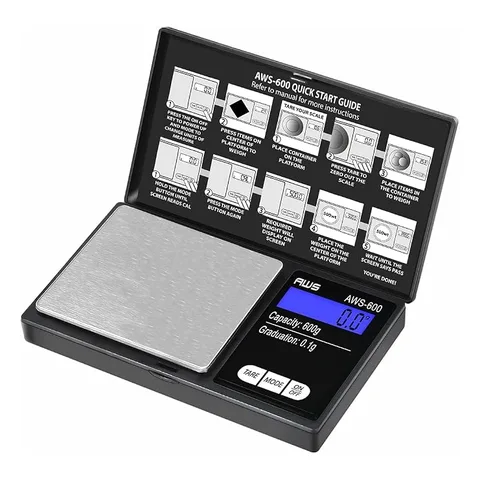
Weigh a hatchling once a week in grams on a kitchen scale, in a deli cup if it won’t sit still. Steady gains tell you the prey size and schedule are working, and a drop of more than 10% means a vet visit.

Feeding notes by species
- Corn, king, milk and rat snakes: pinky mice from the first meal, every 5 to 7 days. King snakes eat other snakes in the wild, so VCA advises housing them alone.
- Ball pythons: a rat pup weekly. Ball pythons are known for fasting, especially in cooler months. ReptiFiles says a fast is not a worry as long as the snake loses no more than 10% of its weight. VCA suggests brown gerbils for snakes that ignore white mice.
- Hognose snakes: they hunt by smell and eat mostly frogs and toads in the wild, so many refuse plain mice. ReptiFiles feeds young hognoses every 4 to 5 days on prey no wider than the head, and scents pinkies with frog or toad scent.
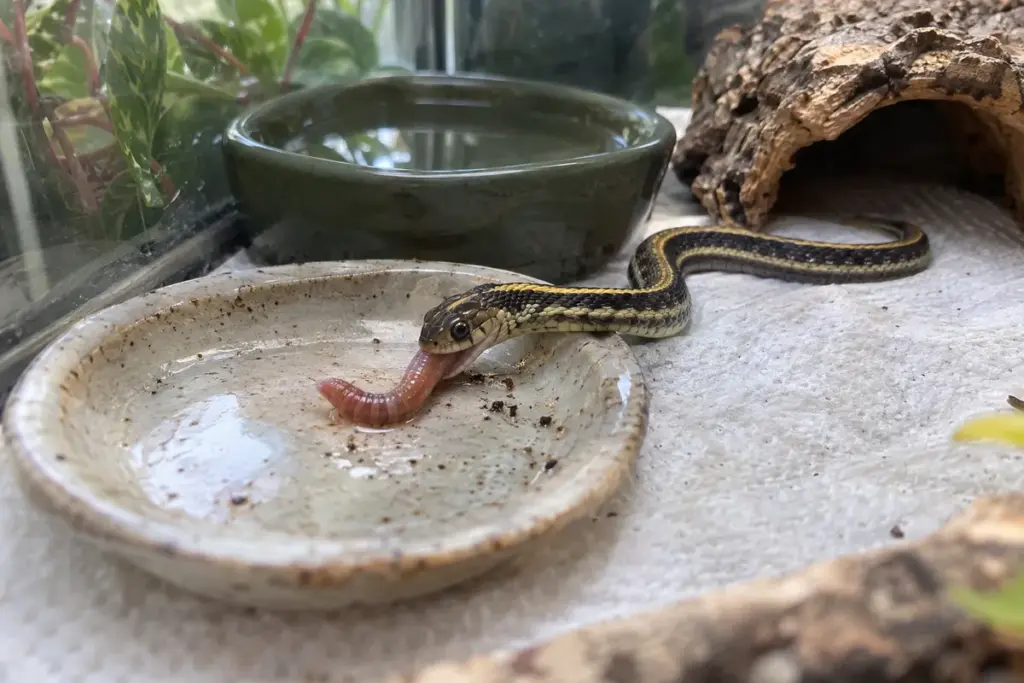
- Garter and ribbon snakes: babies start on cut earthworms and small fish such as guppies or platies, every 4 to 5 days. Mix in cut, scented pinkies over time: Reptiles Magazine says a rodent diet gives garters complete nutrition. A garter fed mostly fish or worms may need a vitamin B1 supplement, so ask a reptile vet.
- Rough green snakes: insect eaters. Reptiles Magazine’s vet column recommends soft-bodied insects, moths, spiders and an occasional gut-loaded cricket, and warns that hard-bodied insects cause regurgitation.
Can baby snakes eat eggs, chicken or crickets?
Eggs only in small amounts and only for adult snakes that eat them in the wild, such as rat and corn snakes. ReptiFiles offers raw quail eggs now and then as an extra. Chicken meat, raw or cooked, is not a snake food: it lacks bones and calcium. Frozen-thawed whole chicks or quail are different and make an occasional meal for larger adults. Crickets suit only insect eaters such as rough green snakes. Garters, corn snakes and ball pythons don’t eat insects.
Signs something is wrong
- Refuses food with dull, bluish eyes: it is about to shed. Skip the meal and try again after the shed.
- Skips more than 2 meals outside a shed: check the warm-side temperature first, then see a reptile vet. PetMD sets this threshold for corn snakes and ball pythons.
- A hatchling that has not eaten by about 4 weeks old: it needs a vet, and possibly assisted feeding. Don’t force feed at home.
- Regurgitates a meal: check temperatures and handling first, and see a vet if it happens again. Mader suggests bringing the regurgitated food to the appointment.
- Loses more than 10% of its weight: a vet visit, whatever the species.
- Bite wounds after a live meal: VCA says wounds from prey need immediate veterinary care.
The Association of Reptile and Amphibian Veterinarians keeps a directory of reptile vets.
Printable baby snake feeding chart
The cheat sheet fits on one page. It has the safe, small amounts only and never food lists, the schedule by age and the wild baby snake steps. Print it in color or black and white and keep it beside the enclosure.
Supplies for feeding a baby snake
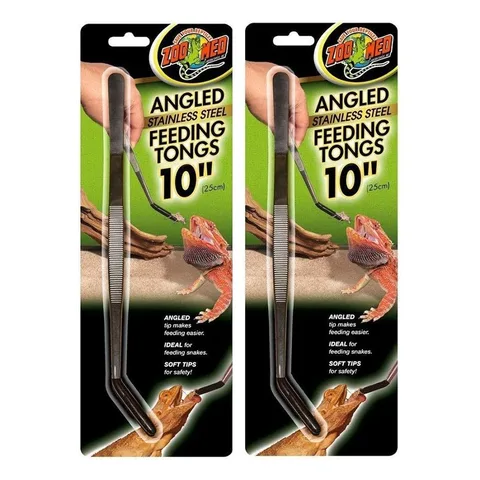
These are the tools vet and keeper guides name for feeding day: tongs, a scale for weekly weigh-ins, a temperature gun for prey and enclosure, and a thermostat with a probe thermometer for the heat source. Frozen feeders come from reptile feeder suppliers rather than Amazon.



More about snakes
Learn what to expect from the most popular pet species in the characteristics of a corn snake and the characteristics of a garter snake. Still choosing? The What Snake Should I Get? quiz matches a species to your space and experience, and the best ball python enclosures guide covers housing. Convert your snake’s age with the snake years calculator, or test yourself with the snake identification quiz. For other young animals, see what to feed a baby duck and what to feed a baby rabbit. All our snake articles are in the snakes section.
Frequently asked questions
What do baby snakes eat?
Most pet baby snakes eat one frozen-thawed pinky mouse every 5 to 7 days. Ball python hatchlings eat a rat pup about once a week. Garter and ribbon snakes start on cut earthworms and small fish such as guppies, and rough green snakes eat soft-bodied insects.
What size mouse should I feed a baby snake?
Pick prey no wider than the widest part of the snake's body and about 10% of its weight. Ball pythons can take 10 to 15%. A hatchling corn snake usually starts on a pinky, and hognoses do best with prey no wider than the head.
How often should I feed a baby snake?
Feed most hatchling colubrids such as corn snakes every 5 to 7 days and young ball pythons once a week. Garter and hognose babies eat every 4 to 5 days. Feeding gaps get longer as the snake grows, up to every 14 to 21 days for adult corn snakes.
When does a baby snake eat for the first time?
After its first shed, about 1 to 2 weeks after hatching. Until then it lives on its yolk and needs only water. A hatchling that has not eaten by about 4 weeks old should see a reptile vet.
Can baby snakes eat live mice?
No. A live mouse can bite, and VCA Animal Hospitals warns that even a small bite can cause a life-threatening infection. Frozen-thawed prey is safer and more humane. If a snake refuses everything else, ask a reptile vet before trying live prey.
Can baby snakes drink milk?
No. Snakes drink only water. The old story about milk snakes drinking from cows is a myth, and milk and cheese have no place in a snake's diet. Keep a heavy, shallow dish of clean water in the enclosure and change it daily.
Can snakes eat chicken or ground beef?
No. Muscle meat without bones is very low in calcium and does not replace whole prey. Frozen-thawed whole chicks or quail are a different food and can be an occasional meal for larger adult snakes.
Can snakes eat eggs?
Only some, and only now and then. Adult rat and corn snakes can have a raw quail egg as an occasional extra. Baby snakes should stay on whole rodents or the prey their species eats.
Can baby garter snakes eat goldfish?
No. Goldfish and rosy red minnows contain thiaminase, an enzyme that destroys vitamin B1, and a fish-heavy diet can cause a fatal deficiency. Use earthworms, guppies or platies in rotation and move the snake toward scented pinkies.
Why won't my baby snake eat?
The most common reasons are an upcoming shed, a cold enclosure, stress or handling, and prey that is too big or not warm enough. Check the warm-side temperature first. If it skips more than 2 meals outside a shed, see a reptile vet.
How do you thaw a frozen pinky mouse?
Move it to the fridge the day before. On feeding day, float it in a sealed bag of warm water for 15 to 30 minutes until it reaches about 98 to 100 °F. Never use a microwave and never refreeze thawed prey.
I found a baby snake. Should I feed it?
No. Wild baby snakes hunt on their own from birth and need no food or care. Treat any snake you can't identify as venomous, since baby copperheads are born with working fangs. Keeping a wild animal needs a permit in most cases.
Sources
- Nutrition in Snakes and Nutrition in Reptiles, Merck Veterinary Manual
- Feeding Pet Snakes and Common Problems in Pet Snakes, VCA Animal Hospitals
- What Do Snakes Eat? and Corn Snake Care Sheet, PetMD
- The Vet Report: Reptile Vomiting and Regurgitation, Douglas R. Mader DVM, Reptiles Magazine
- What should I feed my reptile?, RSPCA Australia
- What Do Corn Snakes Eat? and What to Feed a Ball Python, ReptiFiles
- Garter Snake Care Sheet, Reptiles Magazine
- Hatchling Snakes, Melissa Kaplan’s Herp Care Collection
- What To Do If You Found a Sick or Injured Snake, Tufts Wildlife Clinic
- Eastern Copperhead, Missouri Department of Conservation