Short answer: Pick insulation by how much you will move, then by temperature. Hunts with a lot of walking need 0 to 400 grams (up to 800 in real cold). Most fall deer hunts that mix a walk-in with a sit run best on 400 to 800 grams. Sitting still in a stand or blind at or below freezing calls for 1,000 grams or more, and 1,200 to 1,600 grams for long late-season sits.
Boot makers rate insulation in grams, and most hunters treat that number like a thermostat. It is not one. The same 800-gram boot that sweats your feet on a two-mile walk can leave your toes numb after two hours on a metal stand platform. The most common mistake is buying for the coldest sit of the year and then walking in those boots all season. This guide gives you the chart, explains what the number means and covers the fit, socks and moisture problems that make warm boots feel cold.
This article contains Amazon affiliate links. Florafaunafun earns a commission on qualifying purchases. See our affiliate disclosure.
Hunting boot insulation chart by temperature
Use this chart as a starting point. The temperature ranges are the loose agreement between retailer charts; the activity column comes from LaCrosse, Danner, Rocky and Bass Pro guidance. If you run cold, go one step up. If your feet sweat easily, go one step down.
| Insulation | Best for | Rough temperature range |
|---|---|---|
| Uninsulated | Early season, warm days, constant walking | Above 40°F |
| 200 g | Cool weather with steady movement; warm-footed hunters | About 20 to 40°F |
| 400 g | Most fall hunting with mixed walking and sitting | About 10 to 30°F |
| 600 g | Cold days, low to moderate activity | About 0 to 20°F |
| 800 g | Stand hunting in fall; the upper limit for all-day walking | About -10 to 10°F |
| 1,000 g | Sitting still at or below freezing, snow, cold water | Freezing and below |
| 1,200 to 1,600 g | Long late-season sits, icy water | Below 0°F |
| 2,000 g / pac boots | All-day sits in bitter cold with little movement | Well below 0°F |
The ranges assume you are moving at least some of the time. Sit motionless and the same boot stops feeling warm well above the low end of its range. That is why LaCrosse and Danner give one rule above all others: if you will be stationary for long periods at 32°F or below, buy 1,000 grams or more.
What the grams number means
The gram figure is the weight of one square meter of the insulation layer, not the amount inside the boot. A “400-gram” boot uses an insulation sheet that weighs 400 grams per square meter. A whole boot holds only a small fraction of a square meter, so the insulation adds far less weight than the label suggests.
More grams means a thicker layer. On 3M’s footwear data sheet, the 200-gram Thinsulate grade is about 4 mm thick and the 400-gram grade about 8 mm, with warmth (clo) rising in step. Inside a finished boot, the sole, insole, upper and fit change the result, which is why no boot maker prints a single temperature per gram level. LaCrosse, which lab-tests its boots at Kansas State University, still calls its own ratings subjective.
How much insulation you need for each type of hunt
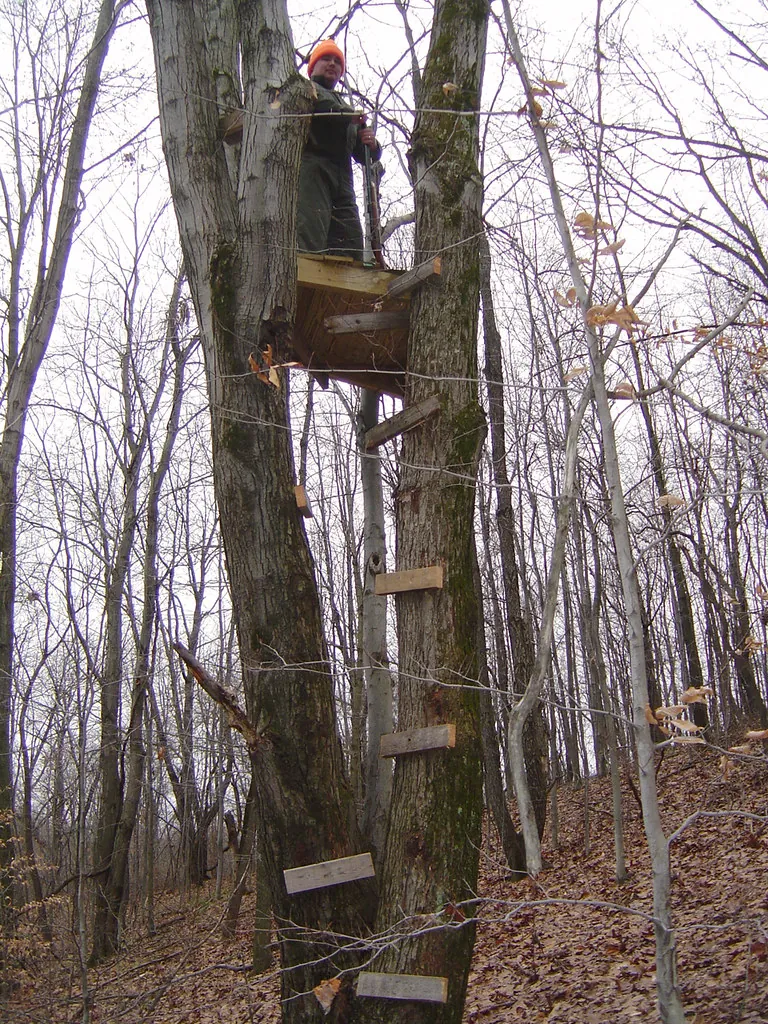
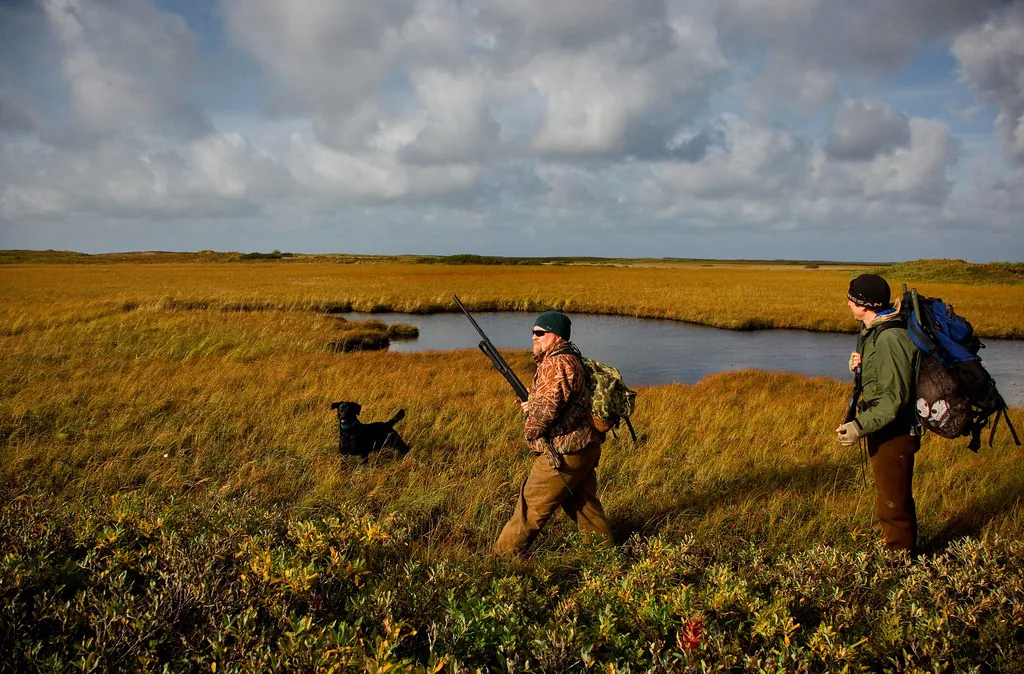
Your body makes heat while you walk and almost none once you sit. Bass Pro puts it plainly: once you stop moving, cold toes show up. Choose for the part of the hunt that lasts longest.
Thinsulate vs PrimaLoft vs felt liners
Most hunting boots use 3M Thinsulate, so most gram numbers you see are Thinsulate grams. The main types:
| Insulation | Where you find it | What to know |
|---|---|---|
| 3M Thinsulate (Type B) | Most leather and synthetic hunting boots | Pre-compressed for footwear and water-resistant; boots come with 200 to 2,000 g |
| Thinsulate Ultra | Lighter hunting boots, many rubber boots | Thin and light; built to keep loft when compressed |
| PrimaLoft Gold | Some premium hunting and rubber boots | Synthetic fill that stays warm when wet; aerogel versions go in insoles and toe caps |
| Felt or wool liner | Pac boots | Removable bootie, very warm, dries overnight out of the boot; heavy for walking |
| Neoprene | Rubber boots | Waterproof, self-insulating foam rated by thickness in mm |
Within one brand, compare grams. Across brands, grams of the same insulation type are roughly comparable; grams of different types are not exactly equal, so read the brand’s own activity guidance when it gives one.
Rubber boot insulation: neoprene mm vs grams
Rubber hunting boots are rated either by neoprene thickness, from about 3 mm to 8 mm, or by added Thinsulate grams, from 400 to 2,000. LaCrosse is the only brand that publishes a conversion:
| Neoprene thickness | Roughly equal to | Good for |
|---|---|---|
| 3.5 mm | 200 to 400 g | Early season, walking, mild wet days |
| 7 mm | About 600 g | Cold stand hunts |
| 9 mm | About 800 g | Late season, standing in cold water |
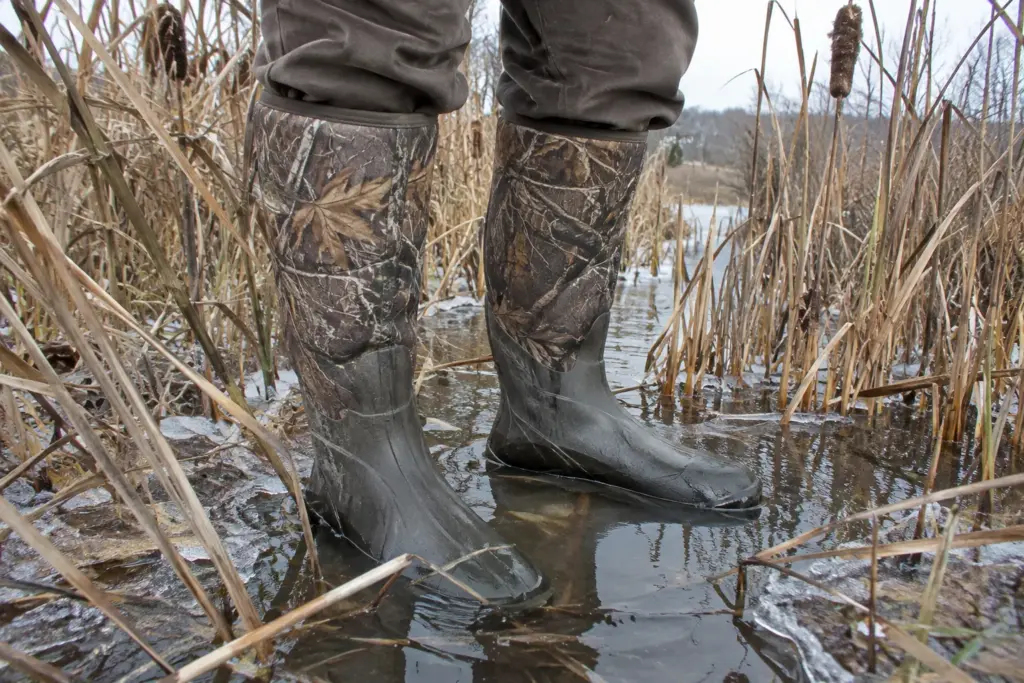
Rubber keeps water out and sweat in. Rubber boots are the right call for wet ground, scent control and marsh hunts, but they are a poor choice for long walks: damp socks build up inside and turn into cold feet once you sit. Rocky and Bass Pro both point hunters who stand in snow or icy water to 1,000 to 1,200-gram rubber boots.
Why your feet get cold in insulated boots
Moisture and fit cause more cold feet than too few grams. Feet sweat heavily, and wet socks lose heat many times faster than dry ones. The usual causes:
- Too much insulation for the walk in. Feet sweat on the way to the stand, then the damp socks chill once you sit.
- A tight boot. Pressure on the toes and instep squeezes the insulation flat and slows blood flow.
- Thick socks in a boot sized for thin ones. Extra sock bulk does the same thing as a tight boot.
- Cotton socks. Cotton holds moisture and stops insulating once wet.
- Heat loss through the sole. A metal stand platform or frozen ground draws heat down; the insole is your main barrier.
- A cold body. When your core gets cold, your body cuts blood flow to the feet first, so a warm jacket and hat help your toes.
Air-activated toe warmers made for boots, such as adhesive toe warmers, run for several hours on the limited air inside a boot. They need a little space; a warmer jammed into a tight boot presses on the toes and does more harm than good.
How to fit insulated hunting boots
An insulated boot only works with room for the insulation to loft and the blood to flow. Fit it this way:
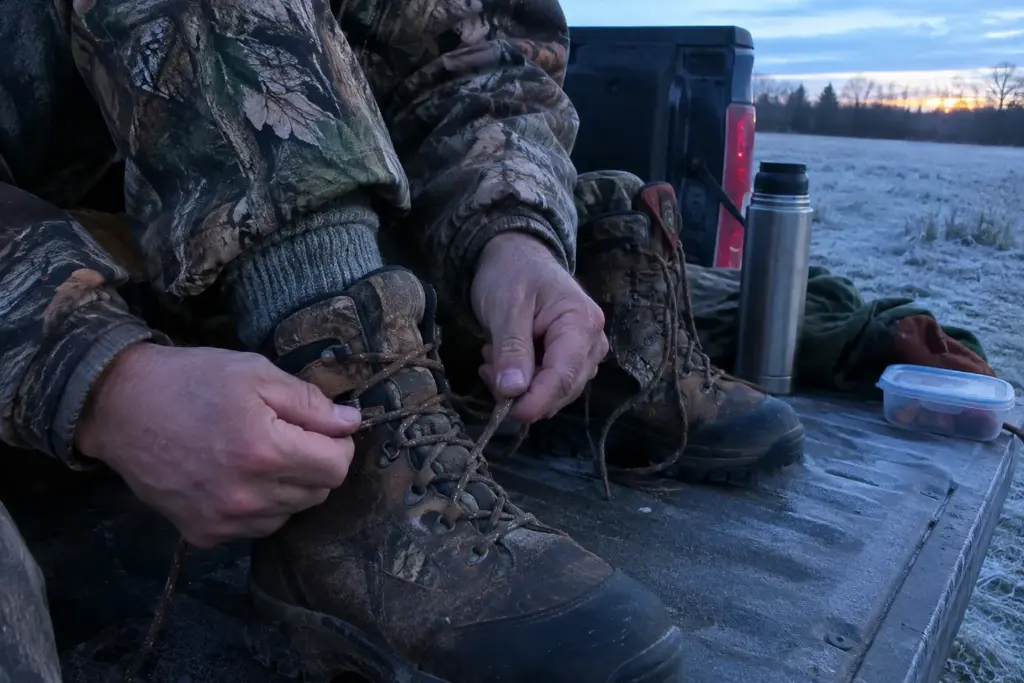
For socks, choose merino wool hunting socks or a synthetic blend. Use a thicker sock for cold, still hunts and a thinner one for hunts with a lot of walking. Many hunters carry a dry pair in a zip bag and change at the stand.
How to dry hunting boots overnight
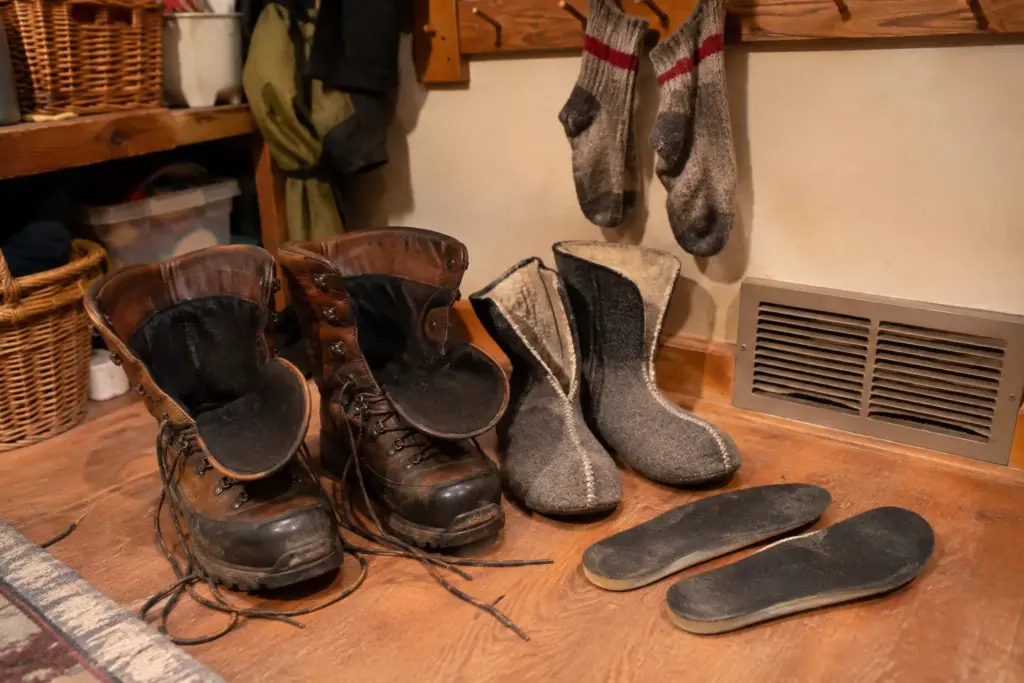
Start every hunt with dry boots. A boot that is damp inside from yesterday’s sweat is a cold boot. Pull the laces loose, open the tongue wide and take out the insoles and any removable liners. Set them in a warm room with moving air, away from direct heat such as fireplaces, stoves and heater vents. A boot dryer that pushes warm air into the boot dries insulated boots overnight.
Frequently asked questions
For hunts with a fair amount of walking in fall weather, 400 grams is the safer choice. For stand hunting near or below freezing, 800 grams is better, and long cold sits call for 1,000 grams or more.
Retailer charts put 800 grams at roughly -10 to 10°F with low activity. Sitting still on a stand, most hunters find it comfortable around freezing and want more insulation below that.
For walking, yes: 1,200 grams makes most feet sweat on any long hike. For sitting in a stand or blind in single-digit temperatures it is a normal choice.
200 grams is light insulation for cool weather, roughly 20 to 40°F, when you keep moving. It is too little for sitting still in freezing weather.
Yes. Early-season hunts and hunts with miles of walking, such as elk or upland birds, are often more comfortable in uninsulated boots with good wool socks.
No. It means the insulation sheet weighs 400 grams per square meter. A boot uses only a small piece, so the insulation adds much less weight than the number suggests.
The usual causes are sweat from walking in, a boot that is too tight, cotton or overly thick socks, and heat loss through the sole to a metal stand or frozen ground. More grams rarely fixes a fit or moisture problem.
Fit them with the socks you will hunt in instead of going by your shoe size. You need room to wiggle your toes with thick socks on, which often means a larger size than your everyday shoes.
Sources
- LaCrosse Footwear. How much insulation do I need?
- Danner. Insulation guidance
- Rocky Brands. Boot insulation guide
- Bass Pro Shops. Hunting boots buyer’s guide
- Bass Pro Shops. Rubber boots buyer’s guide
- 3M. Thinsulate insulation for footwear, product data sheet
- SCHEELS. Hunting boot insulation guide
- Baffin. Northern Rated boots and activity levels
- CDC / NIOSH. Cold stress related illnesses
- Cleveland Clinic. Trench foot