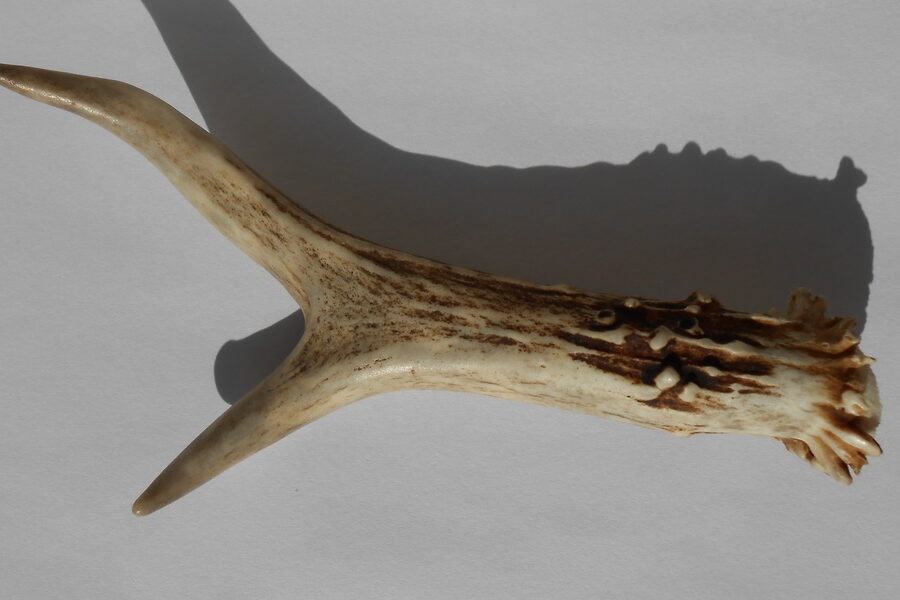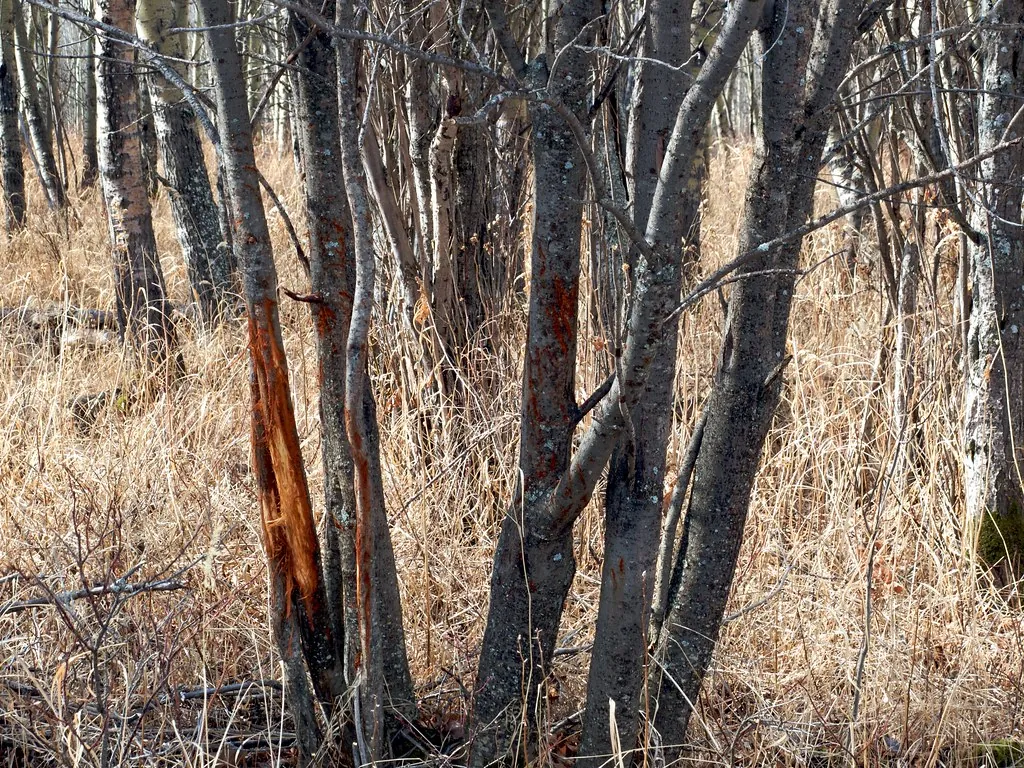
Short answer: Read deer sign in two steps. First decide how fresh it is: crisp track edges, shiny wet droppings and bright, wet wood on a rub mean a deer was there in the last day or two. Then read what the deer was doing: beds show where it rests, trails and tracks show how it travels, browse and droppings show where it eats, and rubs and scrapes show where bucks are marking in fall. The best spots sit where fresh sign links bedding cover to food.
One rub or one pile of droppings tells you a deer passed by, not where to wait for one. Sign is a record of the past, and much of it is old or was made at night. The common mistake is to set up on the first big rub you find. This guide covers what each type of white-tailed deer sign looks like, how to age it, what it says about the deer that left it, and how to connect the pieces into a pattern.
This article contains Amazon affiliate links. Florafaunafun earns a commission on qualifying purchases. See our affiliate disclosure.
How to tell if deer sign is fresh
Judge freshness before anything else, because old sign sends you to places deer have left. Rain, wind, sun and frost all age sign in predictable ways, so look at the edges, the color and the moisture.
| Sign | Fresh (hours to a day or two) | Old (days to weeks) |
|---|---|---|
| Track | Crisp, sharp edges; a clear ridge between the toes; moist soil kicked out of the print | Rounded, crumbling edges; leaves, needles or blown snow inside the print |
| Droppings | Dark, shiny and wet from a mucous coat that dries within hours | Dull and lighter in color; bleached after about two weeks; plant fibers showing |
| Rub | Bright, wet wood; curls of bark and shavings on the ground below | Wood turned gray or brown; dry, weathered edges |
| Scrape | Bare, damp, freshly turned soil free of leaves; tracks in the dirt | Leaves blown back in; packed or crusted soil |
| Bed | Clean depression with hair in it, droppings nearby, little debris on top | Leaves or snow fallen into the bed; vegetation starting to stand back up |
Deer tracks: size, direction and what they tell you
A white-tailed deer track is a split heart shape made by two toes, about 2.5 to 4 inches long on an adult. The pointed end faces the way the deer was walking, so a line of tracks shows direction at a glance. Fawn tracks are much smaller, under 1.5 inches. The front hooves are slightly larger than the hind hooves.
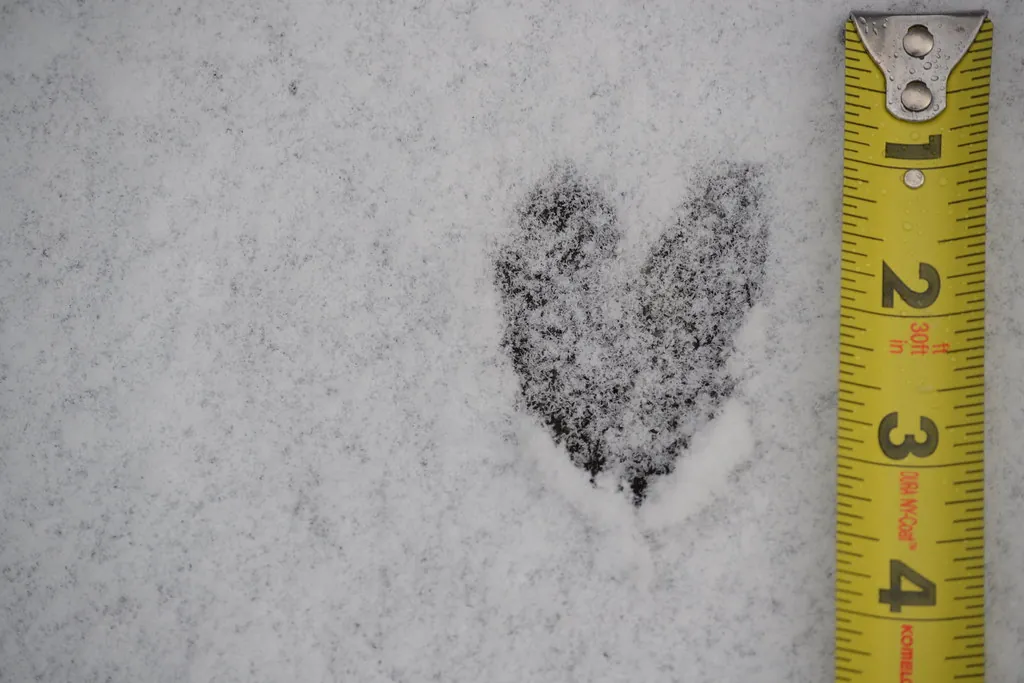
Spacing tells you how the deer was moving. A walking deer places each foot 13 to 26 inches ahead of the last, and the hind foot often lands in or near the front track. A bounding deer covers 10 to 15 feet per leap, and the toes spread apart.
Dewclaw marks
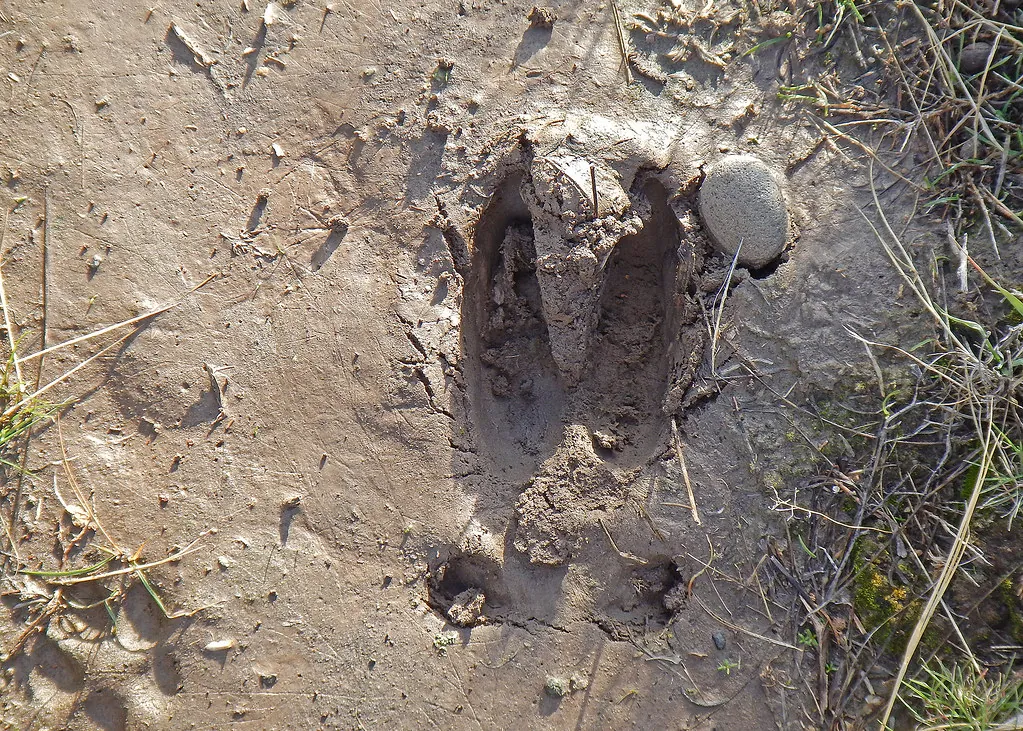
Two small dots behind the main print are dewclaws, the small toes above the hoof. They sit too high to print during a normal walk on firm ground. They show when the deer was running, jumping, very heavy or sinking into mud or snow, and both bucks and does leave them.
Can you tell a buck track from a doe track?
Mostly no. A Georgia study of 157 harvested deer found that buck and doe hooves overlap in both length and width; under 8 percent of buck hooves were larger than the largest doe hoof. The biggest tracks in an area were probably made by a mature buck, but an average track can belong to either sex.
Hunters use a few weaker clues together: drag marks in light snow (bucks drag their feet more, though every deer drags in deep snow), a wide left-right stagger between tracks and a long walking stride. Treat any of these as a hint to check with a trail camera, not as proof.
Deer droppings: freshness and diet
Deer droppings are dark, bullet-shaped pellets about 1/2 to 5/8 inch wide and up to an inch long, often with a small point on one end and a dimple on the other. A typical pile holds 50 to 80 pellets. Fresh pellets look shiny and wet; within hours the coating dries and they turn dull.
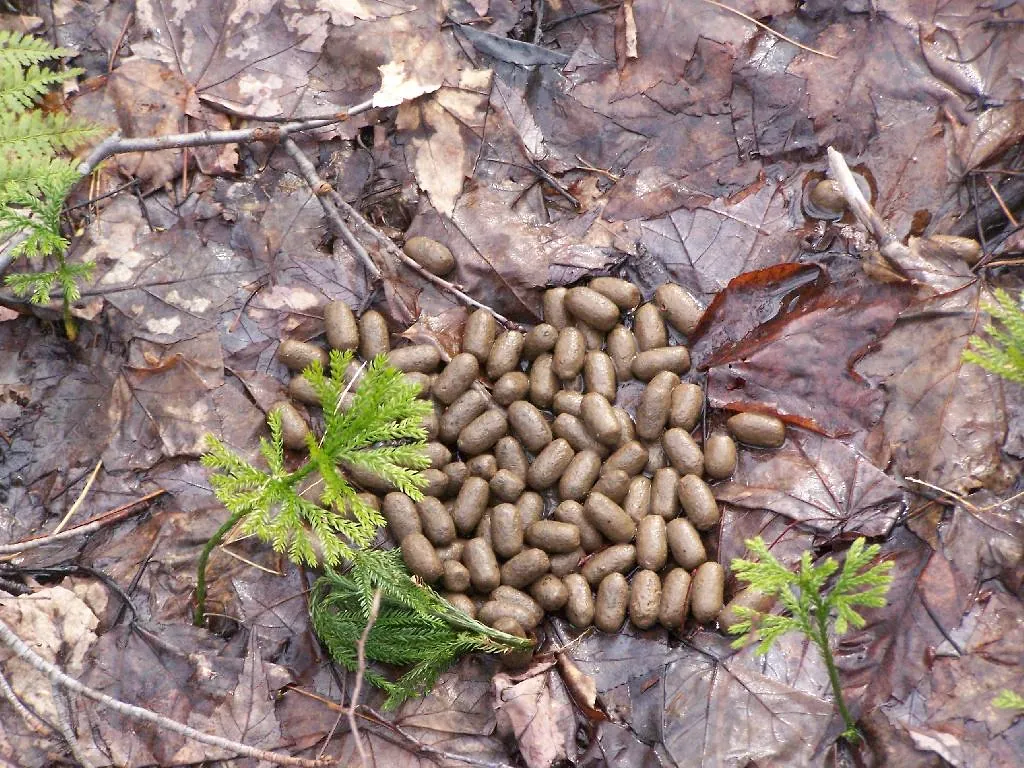
The shape shows what the deer is eating. Lush green forage and soft crops produce pellets that stick together in a clump. Acorns, twigs and other dry woody food produce firm, separate pellets. A pile of loose pellets under an oak in October is a strong hint that deer are feeding on acorns there.
Droppings cannot tell you the sex of the deer. Bucks average slightly more pellets per pile, but the ranges overlap, and big does and average bucks leave the same size pellets. Many piles in one small area usually mark a bedding or feeding spot where deer spend time.
Deer rubs: what they mean and how to read a rub line
A rub is a sapling or small tree with the bark scraped off by a buck’s antlers, usually 8 inches to 3.5 feet off the ground. Rubs are almost entirely buck sign. Bucks start rubbing after they shed their antler velvet in late summer and keep rubbing through the breeding season, then rubbing drops off sharply after the rut.
A rub is more than antler cleaning. Bucks rub their forehead glands on the bare wood, which leaves scent other deer check. In a Maine study, rubbed trees averaged well under an inch across, much thinner than the trees around them; bucks chose smooth-barked saplings such as aspen, willow and sumac. In the South and Midwest, cedar, pine and sassafras are common choices.
Reading rubs
- Rub lines. Several rubs along a path mark a route a buck uses, often between bedding and food. Follow the line in both directions.
- Direction. The rubbed side of the tree usually faces the direction the buck came from. Exceptions are common, so confirm with tracks.
- Signpost rubs. Large rubs on bigger trees that are reused year after year. Several bucks and even does visit them.
- Size. A rub on a thick tree is more likely the work of a mature buck, but big bucks rub small saplings too. Tree size is a weak clue to antler size.
- Height and hair. Bark torn off well above 4 feet, or hair stuck in the wood, points to elk or moose in country where they live.
Deer scrapes: how to spot an active one
A scrape is a patch of bare dirt, usually a foot or more across, that a buck paws clear under a low overhanging branch. He chews and rubs the branch with his face and forehead, then urinates over his tarsal glands (the dark tufts on the inside of the hind legs) into the dirt. The branch above, called the licking branch, is the most important part: in Michigan research, removing it ended scraping and adding one started it.
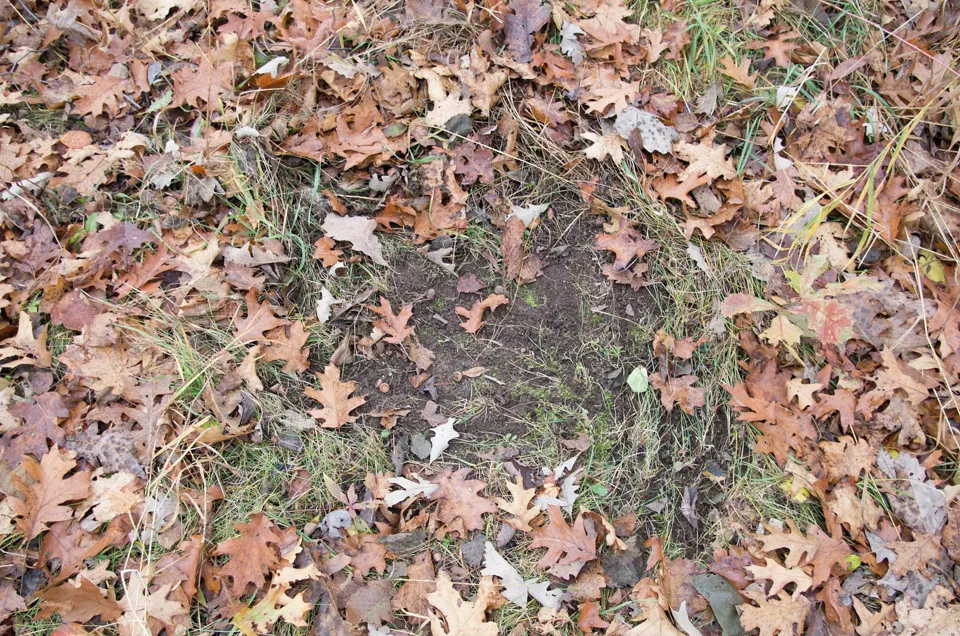
Scraping peaks about two to three weeks before peak breeding, which is late October in Pennsylvania. Visits drop sharply once most does are in heat, because bucks stop checking scrapes and follow does instead. The National Deer Association puts nearly 85 percent of scrape visits at night, so a scrape tells you a buck is around more than when he will show up.
If you use a camera, a basic trail camera on a tree 10 to 15 feet away will show who visits a scrape and at what hour, which turns a guess into a pattern.
Deer beds: where deer rest during the day
A deer bed is an oval patch of matted grass, leaves or packed snow, about 3 feet long. Beds in thick cover are usually daytime beds; beds out in open fields are mostly used at night. A recently used bed often has hair in it and droppings nearby.
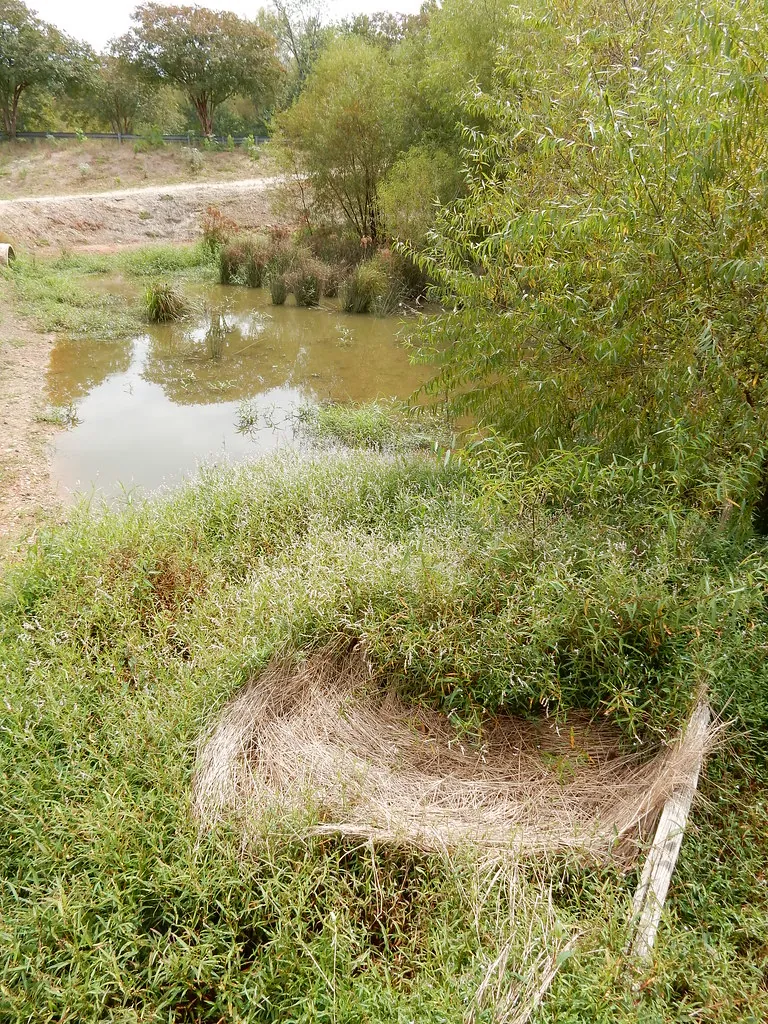
The layout tells you who bedded there. Several beds of different sizes close together usually mean a doe with her fawns or a family group. A larger bed by itself is more likely a buck, though sizes overlap. Does tend to bed closer to food; bucks often bed higher and farther away, on ridge points or thick slopes where they can watch downhill with the wind at their backs.
Deer trails, funnels and crossings
A deer trail is a narrow path, usually 5 to 12 inches wide, worn bare by repeated hoof traffic and winding through cover. A well-worn trail with fresh tracks is an active travel route. Follow each trail to where it starts and ends; that is how you find the bedding and feeding areas it connects.
Trails pinch together where terrain forces deer through a narrow gap, called a funnel. Look for them at creek crossings, gaps in fences, saddles in a ridge, and strips of cover between two fields. Hunters often find mature bucks using fainter side trails that run parallel to the main doe trail, a little downwind.
Snow and late-winter mud are the best times to map trails. Paths that are hard to see in green summer cover stand out clearly after a snowfall.
Browse and feeding sign
Deer have no upper front teeth, so they tear twigs and leaves rather than cut them. Deer browse leaves a ragged, torn end. Rabbits and rodents leave a clean, angled cut, usually close to the ground. Damage up to about 6 feet high almost always comes from deer.
In areas with many deer, look for a browse line: a level height in the woods below which almost every leaf and twig has been eaten. Other feeding sign includes scuffed leaves under oaks where deer dug for acorns, and nipped crops along field edges.
What deer eat changes by season. Fresh green browse and forbs dominate spring and summer; acorns and other mast make up the biggest share in fall; buds and woody twigs carry them through winter. Our guide to what white-tailed deer eat covers the full seasonal diet.
How deer sign changes through the season
Which sign matters depends on the time of year. Rut dates are regional: peak breeding is mid-November in Pennsylvania and Missouri, but runs from late November to mid-February across Mississippi. Shift the stages below to match your area.
Deer sign look-alikes
Several animals leave sign that can pass for deer at a glance. Check the details in this table before you build a plan around it.
| Look-alike | How it differs from deer |
|---|---|
| Feral hog tracks | Rounder, blunter toes, about as wide as long. Dewclaws, when they print, sit wider than the hoof. The trail wanders instead of running straight. |
| Elk tracks | Larger, about 4 to 4.75 inches long, and rounder in outline. |
| Elk and moose rubs | Higher on the tree, often with hair stuck in the bark. Moose pull off long strips of bark. |
| Rabbit droppings | Perfectly round balls, 1/2 inch or smaller. Deer pellets are longer and pointed. |
| Rabbit browse | Clean, angled cut near the ground. Deer leave torn, ragged ends up to 6 feet high. |
| Bighorn sheep tracks | Blockier, with straighter edges, and rarely heart-shaped. |
A pocket animal tracks field guide helps when you find a print you cannot place, especially in areas where hogs, elk or livestock share the woods with deer.
How to put deer sign together on a scouting walk
Reading sign pays off when you connect it into a daily pattern: deer leave bedding cover, travel along trails and arrive at food, then reverse the route. Use these steps to find that route.
Frequently asked questions
A deer track looks like an upside-down split heart made by two pointed toes, about 2.5 to 4 inches long on an adult. The narrow, pointed end shows which way the deer was going.
Fresh tracks have crisp edges, a sharp ridge between the toes and moist soil pushed out of the print. As a track ages, wind and rain round off the edges and debris collects inside it.
Rubs are almost entirely made by bucks with their antlers. Does sometimes sniff or rub their foreheads on existing signpost rubs, but they do not make the bark-stripped rubs hunters look for.
Only loosely. Mature bucks are more likely to rub thick trees, but they also rub small saplings, and young bucks reuse large signpost rubs. A trail camera is a better way to judge the buck.
Bucks make most scrapes in fall, with scraping peaking about two to three weeks before peak breeding. Scrapes are used at a lower level through the rest of the year, mostly by does in winter and spring.
Some visits happen in daylight, but most scrape visits come after dark. That is why scrapes are better for learning that a buck is in the area than for predicting when he will appear.
Studies report about 13 to 34 piles of droppings per deer per day. The rate is lower in fall and winter and higher in spring and summer, when deer eat lush green forage.
A group of beds of different sizes close together usually belongs to a doe and her fawns. A single larger bed by itself is more likely a buck, but bed sizes overlap, so it is a hint rather than proof.
Hog tracks have rounder, blunter toes and are about as wide as they are long. When the dewclaws print, a hog’s sit wider than the hoof, while a deer’s line up behind it.
Sources
- National Deer Association. Can you tell bucks from does by their tracks?
- National Deer Association. Bucks, does and dewclaws
- National Deer Association. Deer droppings data
- National Deer Association. When bucks visit scrapes
- Missouri Department of Conservation. White-tailed deer field guide
- Idaho Fish and Game. Identifying animal sign
- Indiana DNR. Deer scouting basics
- Virginia Department of Wildlife Resources. Scatology 101
- University of Illinois Extension. Post-season deer scouting
- Montana State University Extension. Deer damage identification
- Mississippi State University Deer Lab. Ecology of the rut
- University of Kentucky Forestry. Identifying wild pig sign
- USDA APHIS. Deer scrapes research