Estonia packs an outsized amount of wildlife into a small footprint. Just over 45,000 square kilometers, and roughly half of it is forest — boreal taiga in the north and east, bog and peatland in the interior, and a jagged Baltic coastline dotted with more than 2,000 islands. Low human density and a long tradition of protected land mean predators that vanished from most of Western Europe decades ago never left.
Wildlife monitoring by Estonia’s environment agency puts the country’s mammal count at 64 species, with more than 300 bird species recorded over the years, some resident, most passing through on the East Atlantic migratory flyway. The grey wolf became Estonia’s official national animal in 2018 and now appears stamped in Estonian passports. The barn swallow has held the title of national bird since 1962, Europe’s early wave of bird-protection symbolism.
This is a categorized walk through 27 species you’ll actually find here — not padded out with animals that technically showed up once on a trail camera. Mammals first, then birds, then the reptiles and amphibians that survive Baltic winters, then what’s swimming off the coast.
Table of Contents
- Quick Facts About Estonia’s Wildlife
- Where Estonia’s Wildlife Actually Lives
- Which Animals in Estonia Are Actually Dangerous
- Mammals of Estonia
- Birds of Estonia
- Reptiles and Amphibians of Estonia
- Marine and Coastal Life
- Endangered and Reintroduced Species to Watch For
Quick Facts About Estonia’s Wildlife
| Category | Estimated species count | Notable resident | Status |
|---|---|---|---|
| Mammals | 64 | Grey wolf (national animal) | Protected, quota-hunted |
| Birds | 300+ recorded | Barn swallow (national bird) | Stable, migratory |
| Reptiles | 5 native species | European adder | Estonia’s only venomous snake |
| Marine mammals | 3 resident | Grey seal | Recovering population |
| Critically endangered | European mink | Reintroduced on Hiiumaa and Saaremaa | Actively managed |
Where Estonia’s Wildlife Actually Lives
Four protected areas do most of the heavy lifting if you actually want to see something rather than just read about it.
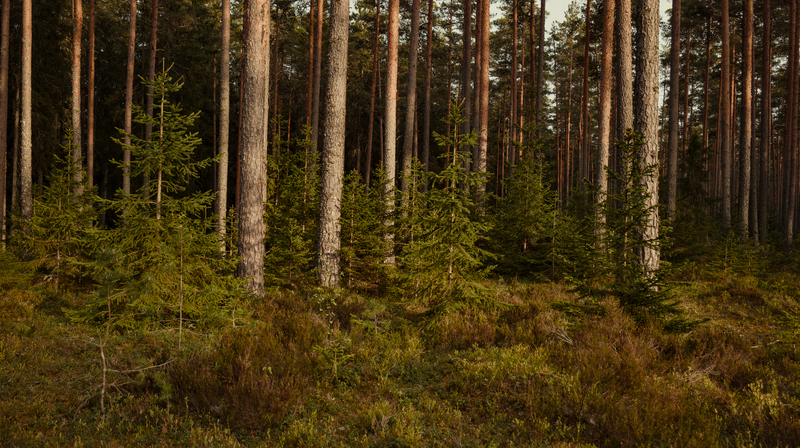
Lahemaa National Park, on the north coast east of Tallinn, is Estonia’s oldest and largest national park — established in 1971 and covering 747 square kilometers, nearly a third of it sea. It’s the easiest place to combine coastal bog trails with a real shot at moose or wild boar at dawn. The RMK visitor center at Palmse Manor runs exhibits and can point you toward current sighting reports.
Soomaa National Park, inland in the southwest, floods every spring in what locals call the fifth season — water rises high enough that canoeing through the forest becomes the normal way to move around for a few weeks. It’s also serious lynx and bear territory, though both are far better at avoiding you than you are at finding them.
Matsalu National Park, on the west coast, is one of Europe’s most important wetlands for birds — a Ramsar-listed site since 1976 and a critical stopover on the East Atlantic flyway. Spring migration can push more than two million waterfowl through the bay in a matter of weeks, with barnacle geese and cranes stacking up by the thousand.
Alutaguse, in the northeast bordering Russia, is Estonia’s least-visited large forest and the one with the highest concentration of wolves.
Which Animals in Estonia Are Actually Dangerous
Short answer: almost nothing here wants to hurt you, and the animal least likely to is the one people worry about most.
The grey wolf avoids humans reflexively — attacks on people are essentially unheard of in modern Estonian records, and the real risk wolves pose is to livestock, not hikers. As dangerous animals in Estonia more broadly demonstrate, this pattern holds true for many species. The brown bear is a different calculation: bears are large, strong, and will defend cubs or a food source if surprised at close range. Make noise on forest trails, especially near berry patches in late summer, and don’t approach if you spot one.
The animal actually capable of hurting you on a casual walk is the European adder, Estonia’s only venomous snake — its bite is rarely fatal to a healthy adult but needs medical attention. The bigger practical risk, by a wide margin, is ticks. Estonia sits in a tick-borne encephalitis hotspot, and both sheep ticks and taiga ticks here carry Lyme disease and TBE, with the European Centre for Disease Prevention and Control tracking Estonia as one of the higher-incidence countries in the region. Risk peaks from June through August. Tuck your trousers into your socks and check yourself after forest walks — it’s unglamorous advice, but it’s the one that actually matters.
Mammals of Estonia
1. Grey Wolf
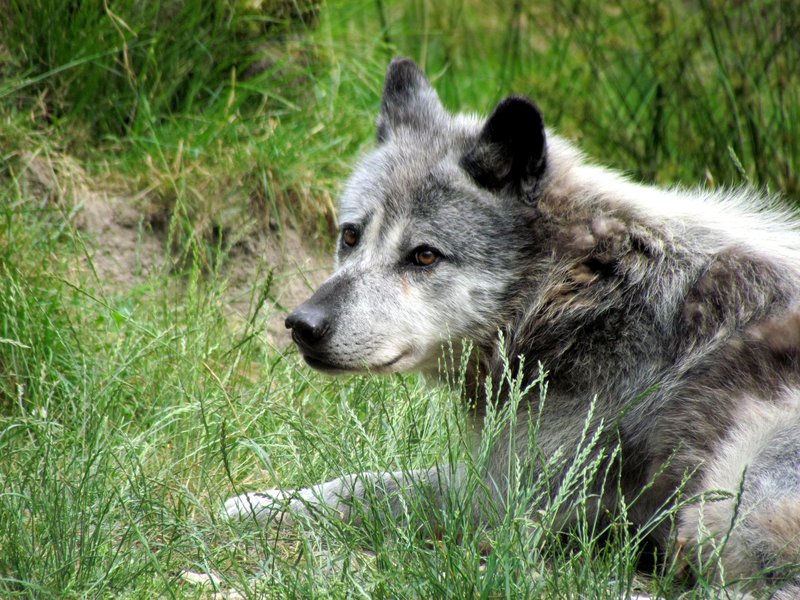
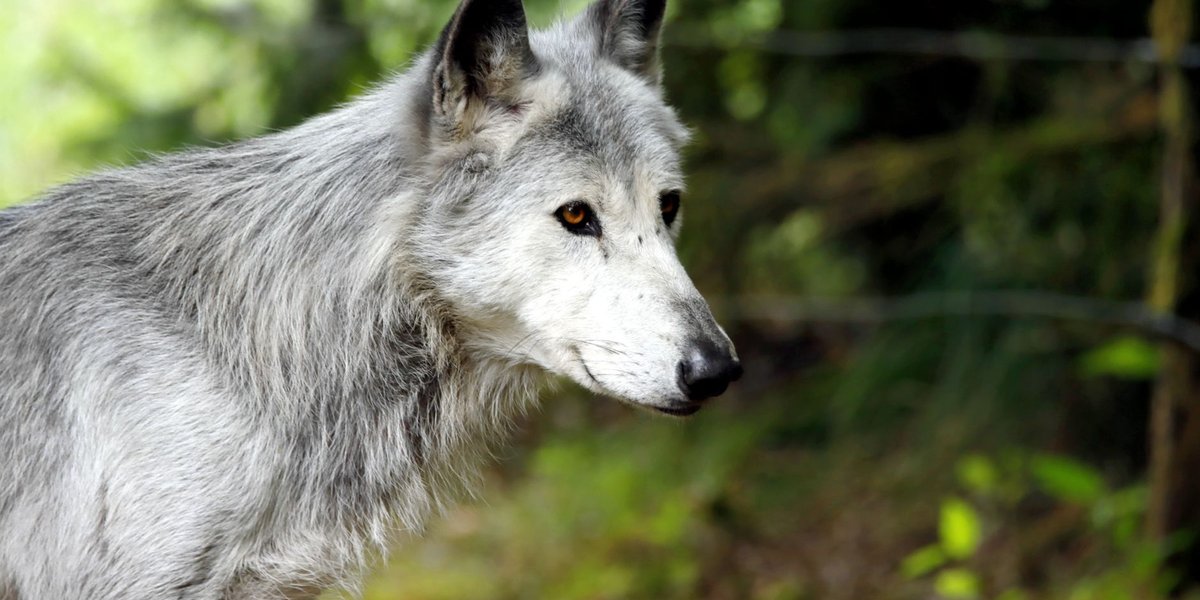
Canis lupus. Estonia’s national animal since 2018, and one of only a handful of European countries where wolves never disappeared. Estonian wildlife monitoring estimates the population fluctuates between roughly 200 and 300 animals depending on the year, managed through an annual hunting quota rather than blanket protection — a compromise that keeps rural communities on board with having wolves at all. Packs concentrate in Alutaguse and the southeastern forests near the Russian and Latvian borders. National Geographic notes that gray wolves are the most widespread large land mammal on the planet after humans and livestock, and Estonia’s population is proof the species does fine wherever people let it.
2. Eurasian Lynx
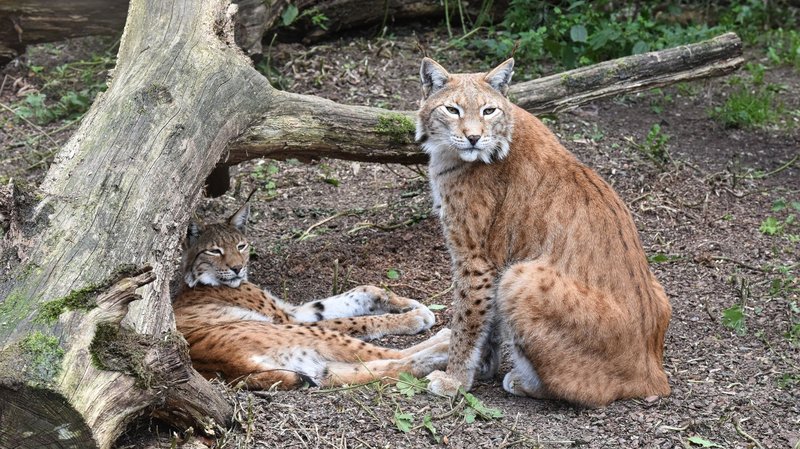
Lynx lynx. Estonia holds one of the densest lynx populations relative to land area anywhere in Europe, estimated in the high hundreds. You will not see one — they’re solitary, nocturnal, and built to disappear into undergrowth — but their tracks show up regularly in fresh snow around Soomaa and the southern forests, distinctive round paw prints with no claw marks, since lynx keep their claws retracted while walking.
3. Brown Bear
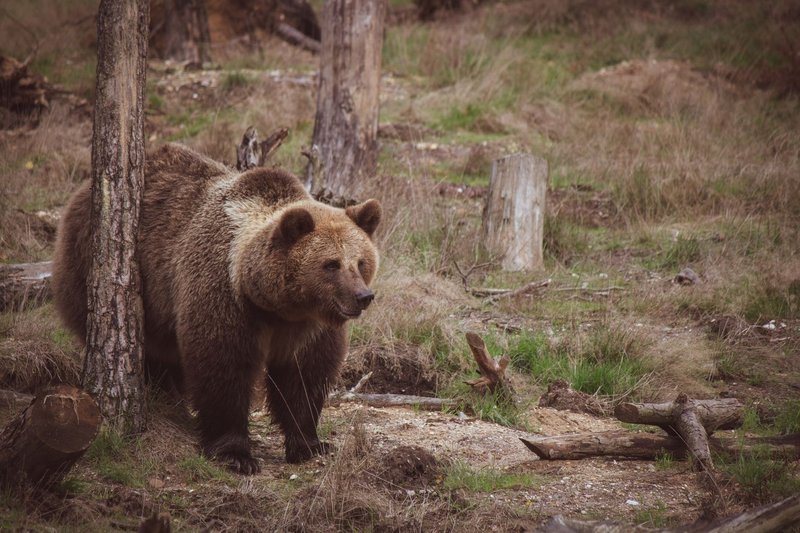
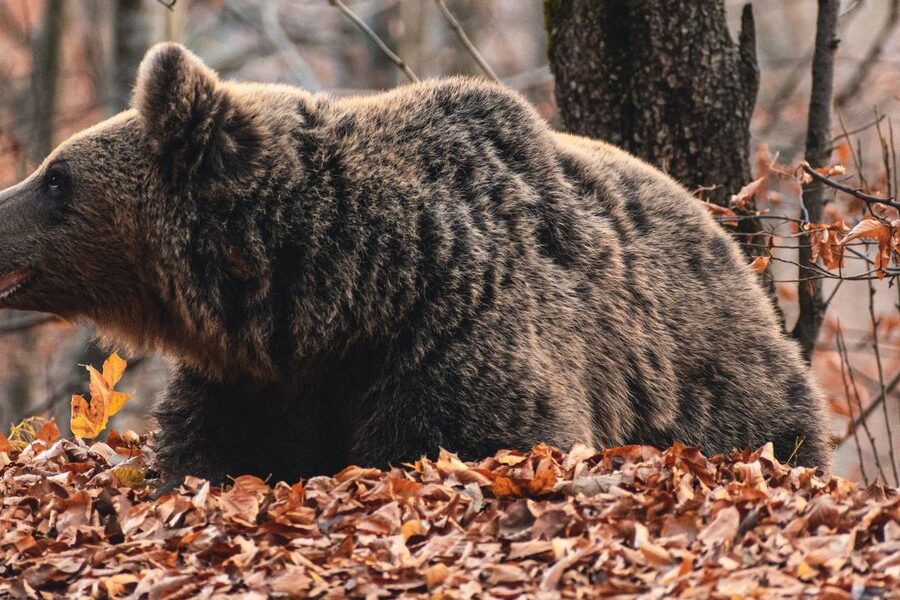
Ursus arctos. Roughly 700 bears live in Estonia’s forests, mostly in the east near Alutaguse and along the border regions where dense woodland runs uninterrupted into Russia and Latvia. They den for winter but aren’t true hibernators in the deep-sleep sense — a warm spell can wake one up mid-January. Berry season, late July through September, is when they’re most active and most visible on trail cameras.
4. Moose
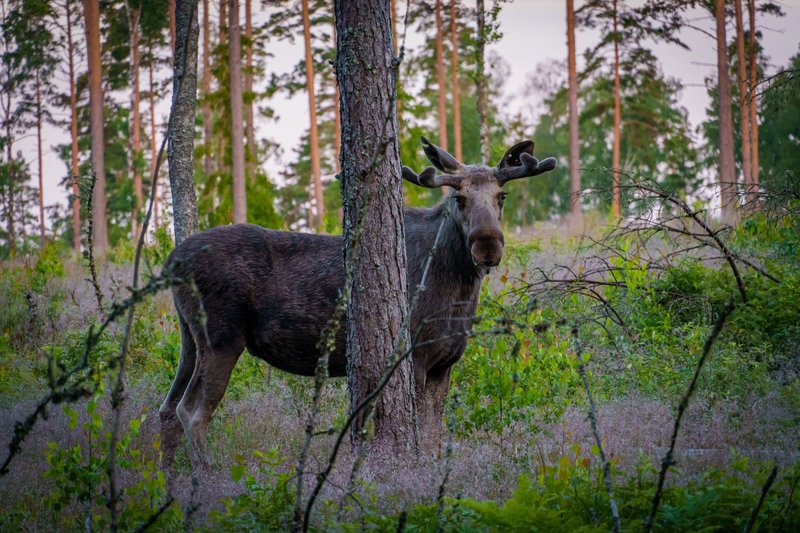
Alces alces. Called “põder” in Estonian, moose are the animal most likely to actually cross your path here — they’re common enough that “moose crossing” signs on rural highways aren’t decorative. Bulls can weigh over 500 kilograms and drop their antlers every winter, regrowing a new set by summer. Dawn and dusk near forest edges and wetland margins are the reliable windows.
5. Wild Boar
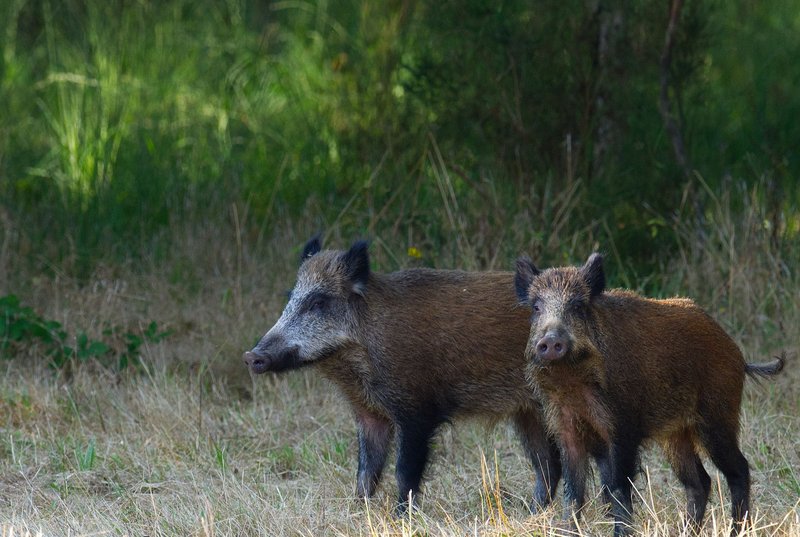
Sus scrofa. Boar populations crashed hard in Estonia after African swine fever swept through starting in 2014, and numbers are still recovering. They root through forest floor in family groups called sounders, and a sow with piglets is one of the few genuinely defensive encounters you can have in an Estonian forest — give them room.
6. Red Fox
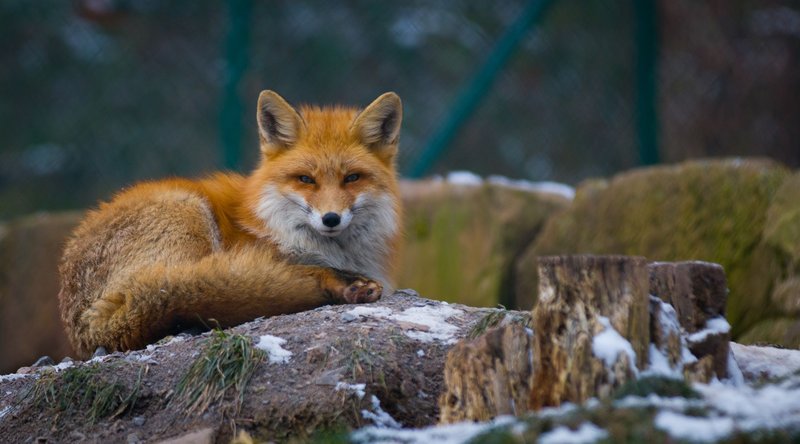
Vulpes vulpes. Estonia’s most adaptable predator, equally comfortable in deep forest and the edges of Tallinn’s suburbs. Foxes here have quietly become a vector of concern for rabies monitoring programs, though Estonia has been officially rabies-free in wildlife since 2013 thanks to years of oral vaccine baiting dropped by helicopter.
7. Eurasian Beaver
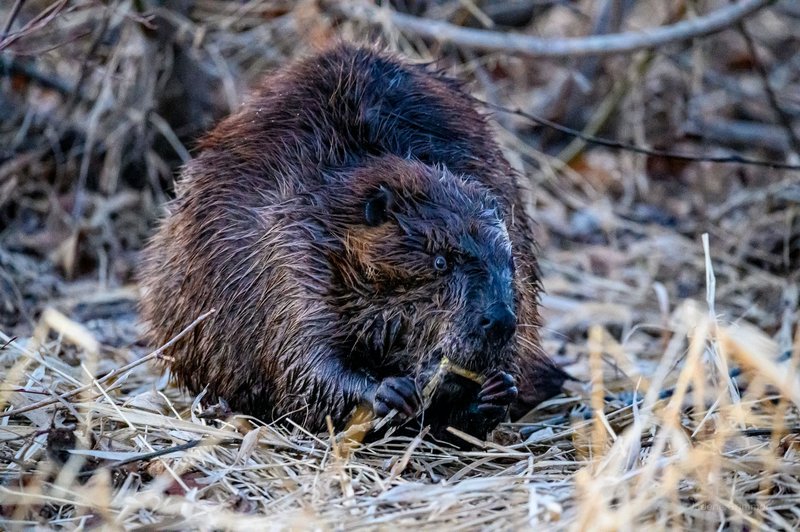
Castor fiber. Hunted to local extinction in Estonia by the early 20th century, then reintroduced from Norwegian and Russian stock starting in 1957. The comeback overshot expectations — beavers are now considered abundant enough to require active dam management near farmland, since a determined beaver family can flood a field in a single wet season.
8. Eurasian Otter
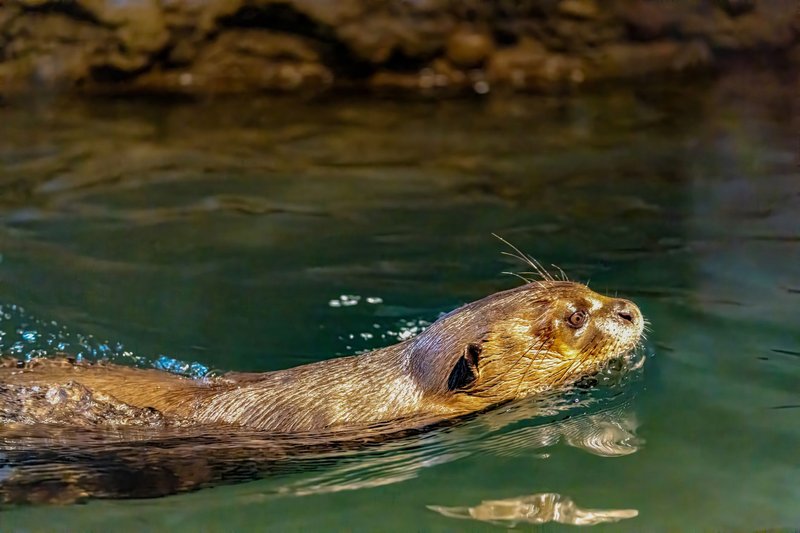
Lutra lutra. Otters favor Estonia’s slower rivers and lake margins, and while the population is stable domestically, the species is listed as Near Threatened across its European range overall due to water pollution and habitat loss elsewhere. Look for slide marks on muddy riverbanks rather than the animal itself — otters are dawn-and-dusk hunters and hard to time a sighting around.
9. Raccoon Dog
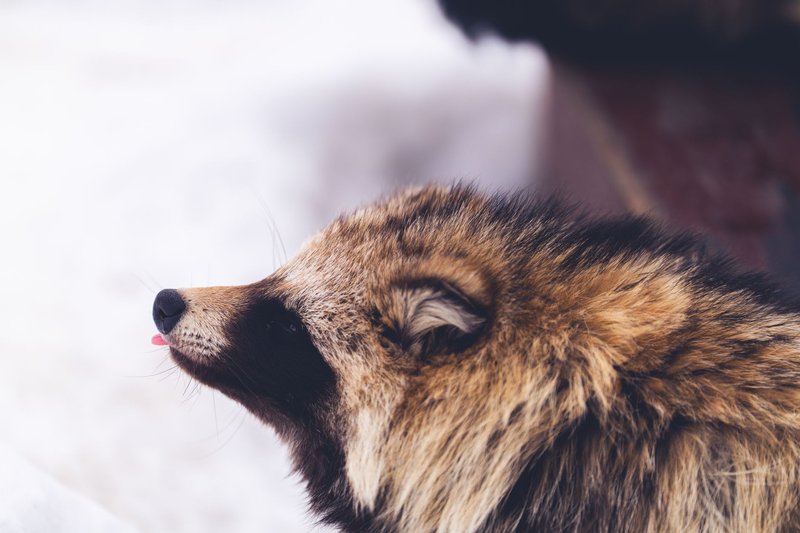
Nyctereutes procyonoides. Not native — raccoon dogs were introduced to the western Soviet Union for fur farming in the mid-20th century and spread west on their own, reaching Estonia by the 1950s. They’re now one of the country’s most numerous mid-sized carnivores and, unusually for a canid, one of the few that actually hibernates through the coldest months.
10. European Mink
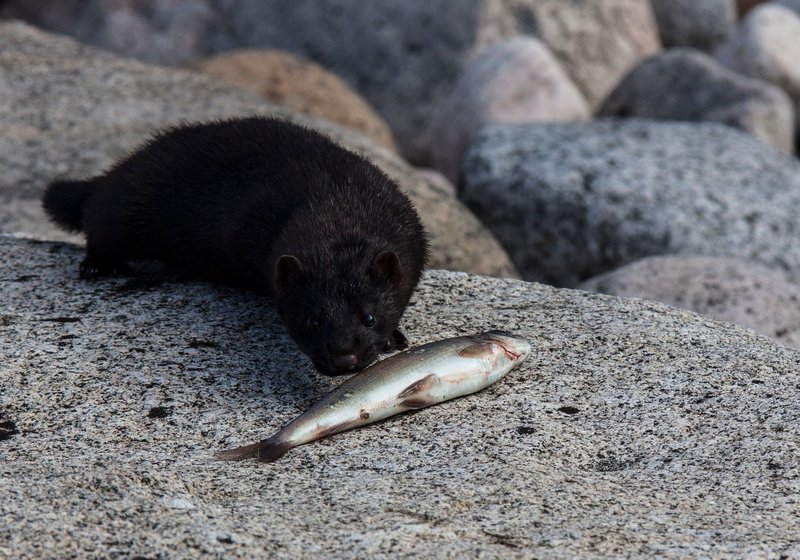
Mustela lutreola. Once native across the mainland, functionally extinct in Estonia by the 1990s, and now surviving only through an active reintroduction program on the islands of Hiiumaa and Saaremaa — more on this below. Full entry under Endangered and Reintroduced Species.
Birds of Estonia
11. Barn Swallow
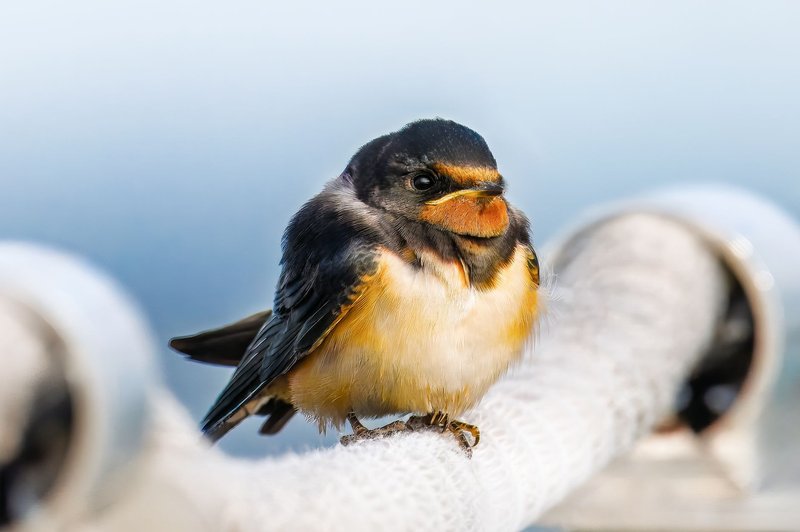
Hirundo rustica. Estonia’s national bird since 1962 and, for a country that takes its symbols seriously, a modest choice — a small, forked-tail insect-eater that nests in barn rafters and returns from African wintering grounds each spring almost to the week. Farmers here have traditionally left barn doors propped open specifically so swallows can get in and build.
12. White-Tailed Eagle
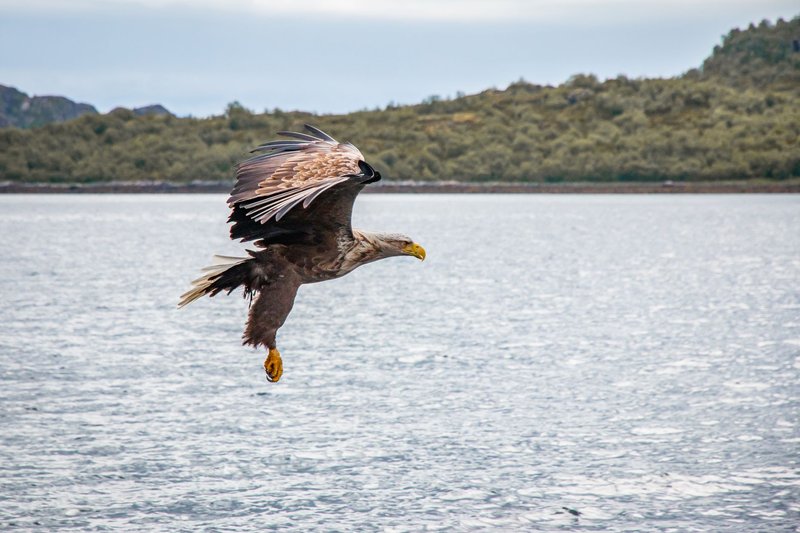
Haliaeetus albicilla. Europe’s largest eagle, with a wingspan that can top 2.4 meters, and a genuine conservation success story — numbers collapsed across the continent from pesticide contamination in the mid-20th century before recovering. Estonia’s coastal cliffs and larger lakes now support one of the healthier breeding populations in the Baltic region.
13. Western Capercaillie
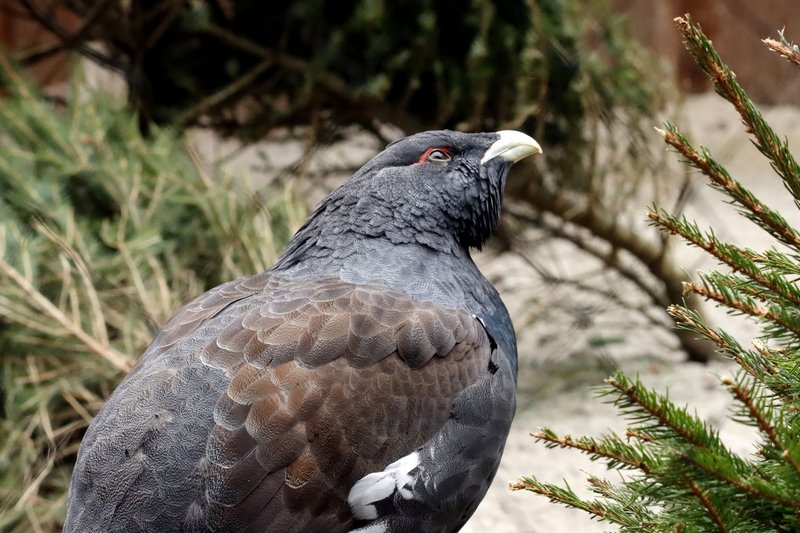
Tetrao urogallus. The largest grouse species in the world, and the males put on one of the more absurd courtship displays in European wildlife — a fan-tailed strut with a clicking, popping call at dawn leks in old-growth pine forest. Capercaillie need large tracts of undisturbed mature forest to breed, which makes them a bellwether species: where they’re declining, it usually means logging pressure is increasing.
14. Black Stork
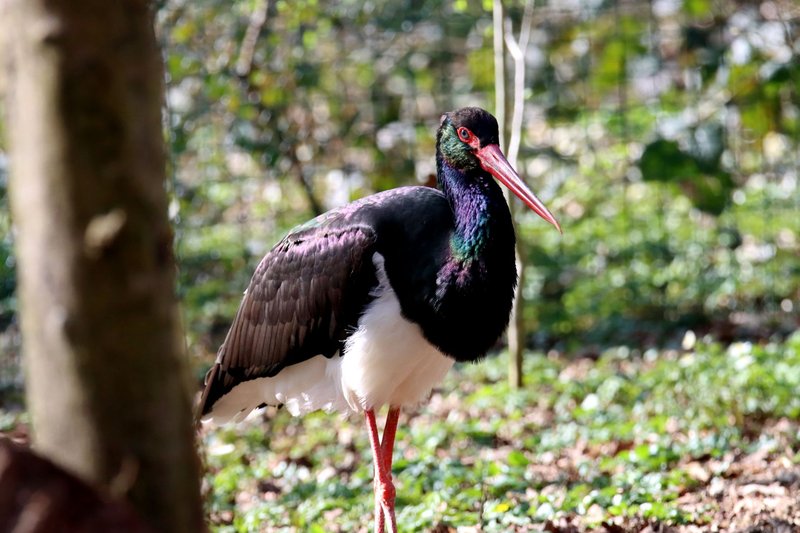
Ciconia nigra. Far shyer than its white cousin and far rarer to spot — black storks nest deep in undisturbed forest near wetlands and avoid people almost entirely, unlike white storks, which will happily nest on a barn roof. Estonia holds a meaningful share of the Baltic’s breeding pairs.
15. Whooper Swan
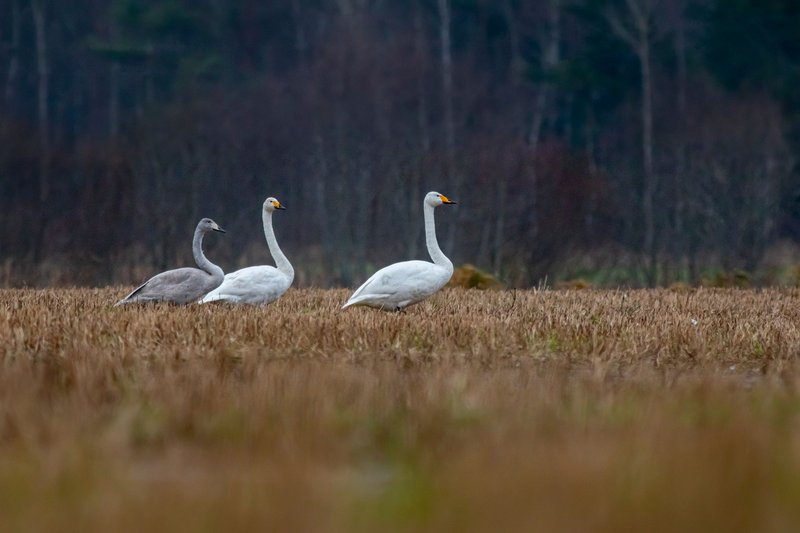
Cygnus cygnus. Named for its loud, trumpeting call, not its size — though at up to 15 kilograms it’s among the heaviest flying birds native to Europe. Large numbers stage through Matsalu during spring and autumn migration, often in the same mixed flocks as barnacle geese and cranes.
16. Common Crane
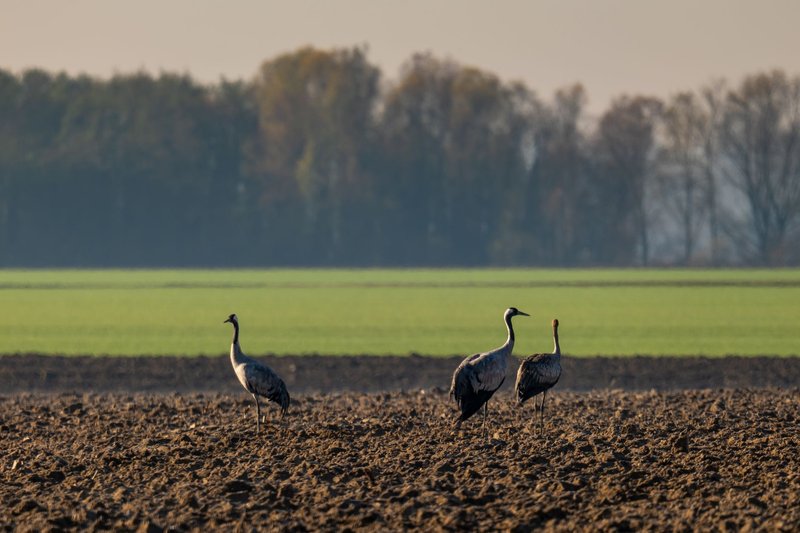
Grus grus. Cranes gather at Matsalu in dramatic numbers during autumn staging, sometimes thousands strong, before continuing south. Their bugling call carries for kilometers across open wetland, usually the first sign a flock is nearby well before you see one.
17. Ural Owl
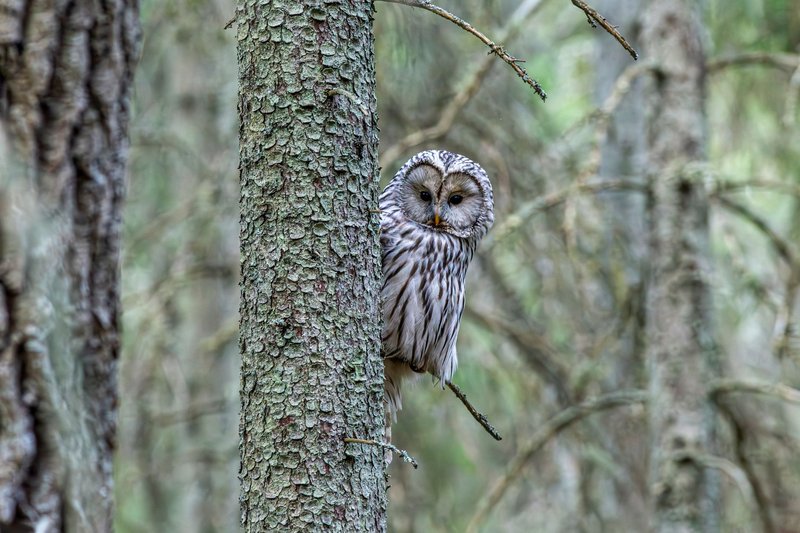
Strix uralensis. A large, pale, forest-dwelling owl that nests in tree cavities and abandoned nests of other large birds, and one of the more fiercely territorial parents in the bird world — Ural owls have been documented attacking hikers who wander too close to a nest, talons first.
18. Golden Eagle
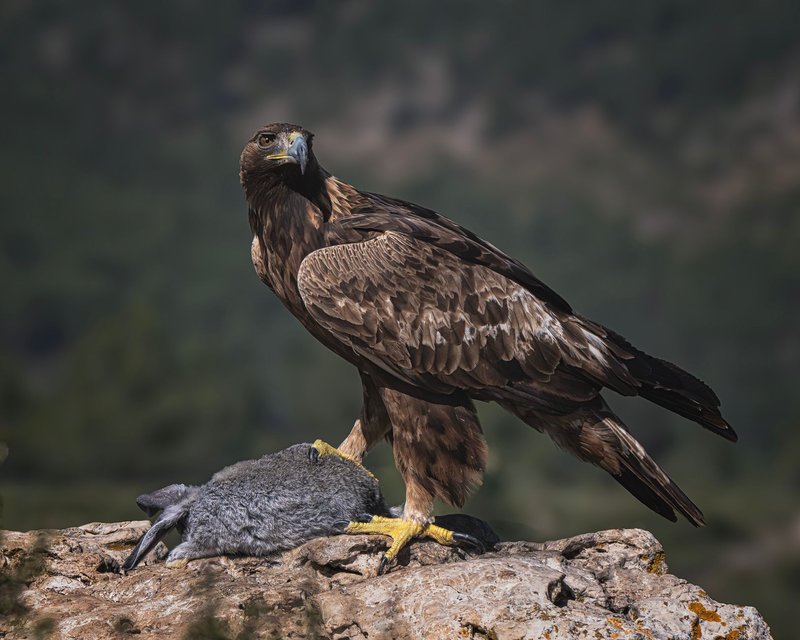
Aquila chrysaetos. Rarer in Estonia than the white-tailed eagle and concentrated in the less-disturbed forests of the east, golden eagles here hunt hares and grouse rather than fish, which shapes where they nest — inland forest edges rather than coastline.
Reptiles and Amphibians of Estonia
19. European Adder
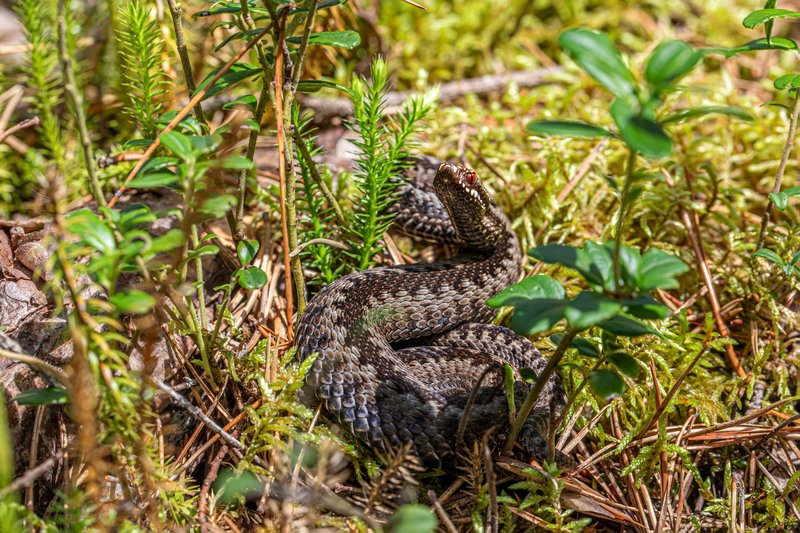
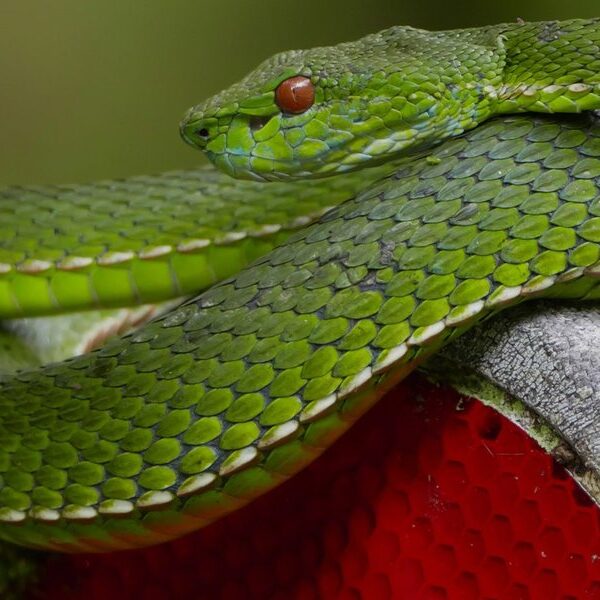
Vipera berus. Estonia’s only venomous snake, identifiable by the dark zigzag pattern running the length of its back. Adders are shy and bite only when stepped on or grabbed — most Estonian encounters end with the snake fleeing, not striking. They’re most active on sun-warmed rocks and forest clearings in spring, right after emerging from winter brumation.
20. Grass Snake
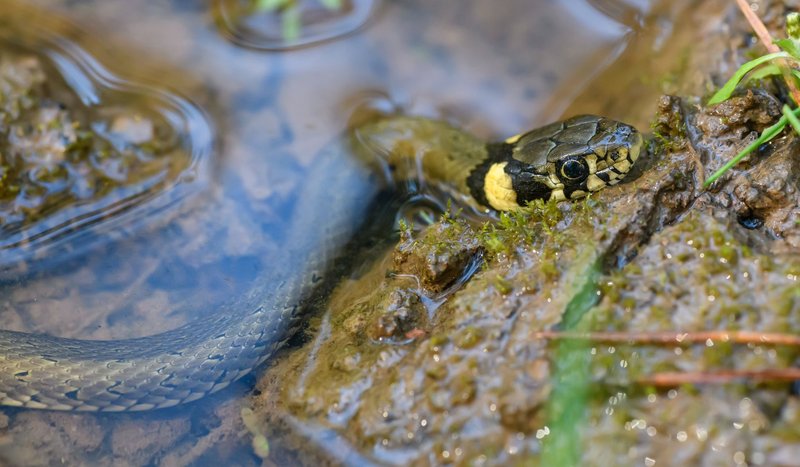
Natrix natrix. Harmless, semi-aquatic, and easily confused with the adder at a glance — the giveaway is the pale yellow or white collar behind the head. Grass snakes hunt frogs and fish in and around ponds and are strong swimmers, unlike adders.
21. Sand Lizard
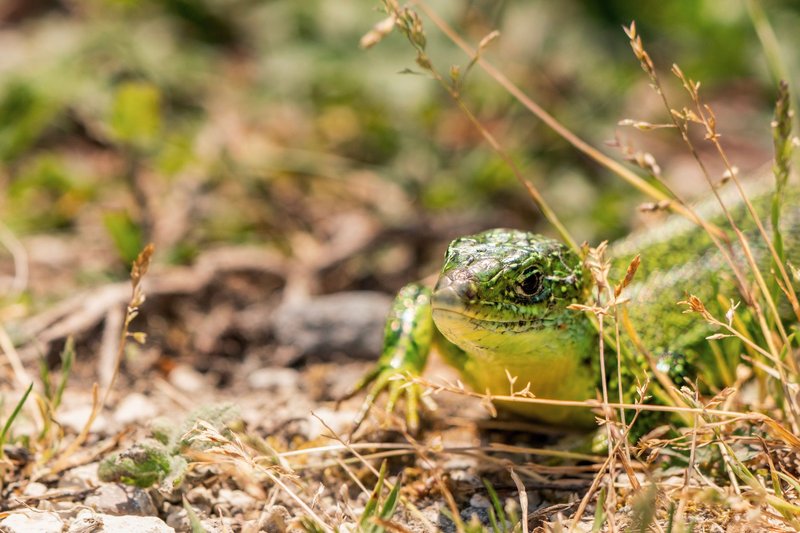
Lacerta agilis. Estonia’s largest native lizard and one of its rarest, protected under the EU Habitats Directive because of shrinking sandy heathland habitat. Breeding males turn a vivid green along their flanks in spring, which makes them briefly easy to spot against dry, open ground before they vanish back into cover.
22. Moor Frog
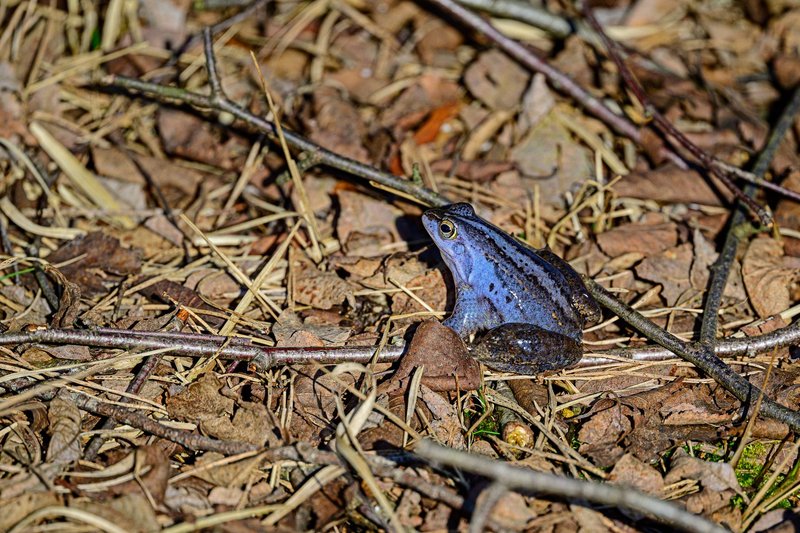
Rana arvalis. Common across Estonia’s bogs and wet meadows, and notable for one strange trick: breeding males temporarily turn bright blue for a few days each spring, a color shift tied to breeding hormones that fades once mating season ends.
Marine and Coastal Life
23. Grey Seal
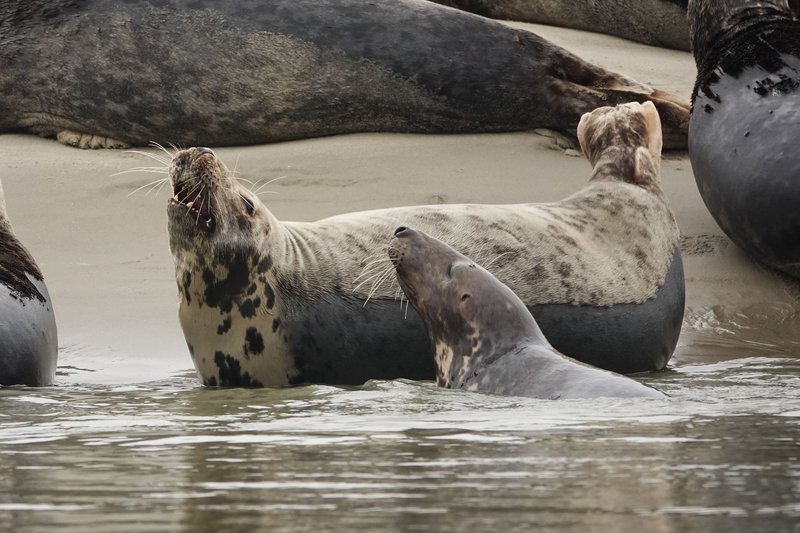
Halichoerus grypus. The Baltic’s largest seal species and the one most likely to be visible from shore, hauled out on the rocky islets off Estonia’s west coast and Saaremaa. Numbers collapsed through the 20th century from hunting and pollution before recovering steadily under protection.
24. Baltic Ringed Seal
Pusa hispida botnica. A smaller, ice-dependent subspecies found in the Gulf of Riga and the Väinameri, distinct from the Arctic ringed seal populations further north. Ringed seals need stable sea ice to give birth and nurse pups, which makes shrinking Baltic winter ice cover a direct threat to the local population rather than an abstract one.
25. Harbour Porpoise
Phocoena phocoena. The only cetacean regularly present in Estonian waters, and a rare sight even for people who spend a lot of time on the water — porpoises surface briefly and quietly, without the dramatic breach of a dolphin, so most sightings are a fin and a splash rather than a show.
26. Baltic Herring
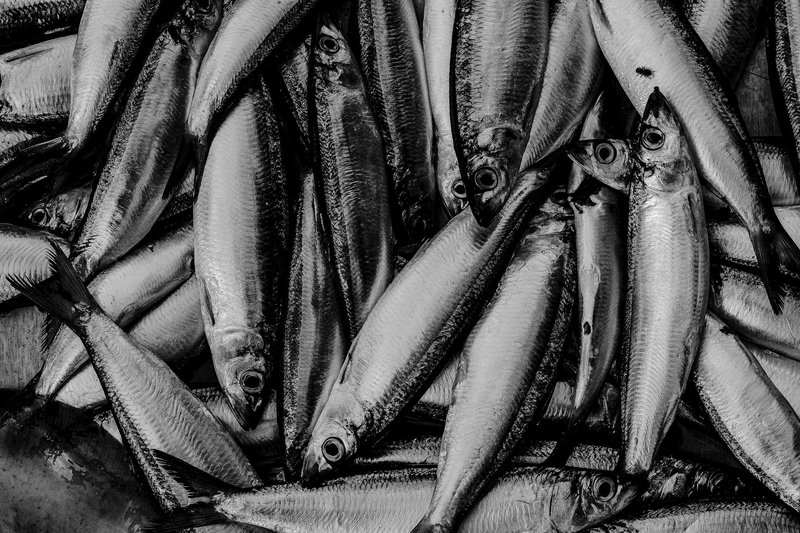
Clupea harengus membras. A smaller, brackish-water subspecies of Atlantic herring adapted to the Baltic’s low salinity, and the backbone of Estonia’s traditional coastal fishing economy — smoked and salted Baltic herring has been a staple on Estonian tables for centuries.
27. Sea Trout
Salmo trutta trutta. A migratory form of brown trout that spends most of its life in the Baltic and returns to Estonian rivers to spawn, much like salmon. River damming and habitat degradation have hit spawning runs hard in several watersheds, and restoration of free-flowing rivers is now an active conservation focus.
Endangered and Reintroduced Species to Watch For
Two species define Estonia’s current conservation story, and neither shows up on the usual “Baltic wildlife” listicle.
The European mink, ranked among the rarest animals in Europe, is classified Critically Endangered by the IUCN’s Small Carnivore Specialist Group, its range having shrunk more than 85% since the mid-1800s, largely from competition with the invasive American mink introduced by the fur trade. Estonia’s mainland population disappeared roughly three decades ago. Since 2000, Tallinn Zoo has run a captive breeding and release program on Hiiumaa — first clearing the island’s American mink entirely — and has since expanded releases to neighboring Saaremaa. It’s one of the only active European mink recovery efforts left in the region.
Less famous but arguably rarer: the Siberian flying squirrel, found in a handful of northeastern Estonian forests near the edge of its European range and considered critically endangered domestically, with a population that may number in the low hundreds. It’s nocturnal, gliding between trees on a membrane of skin rather than truly flying, which makes confirmed sightings scarce even among researchers actively tracking it.
Estonia’s forests and coastline aren’t short on charismatic wildlife — wolves, lynx, and white-tailed eagles see to that. What’s easy to miss is how much of what lives here now exists because someone decided it was worth the effort to bring it back.