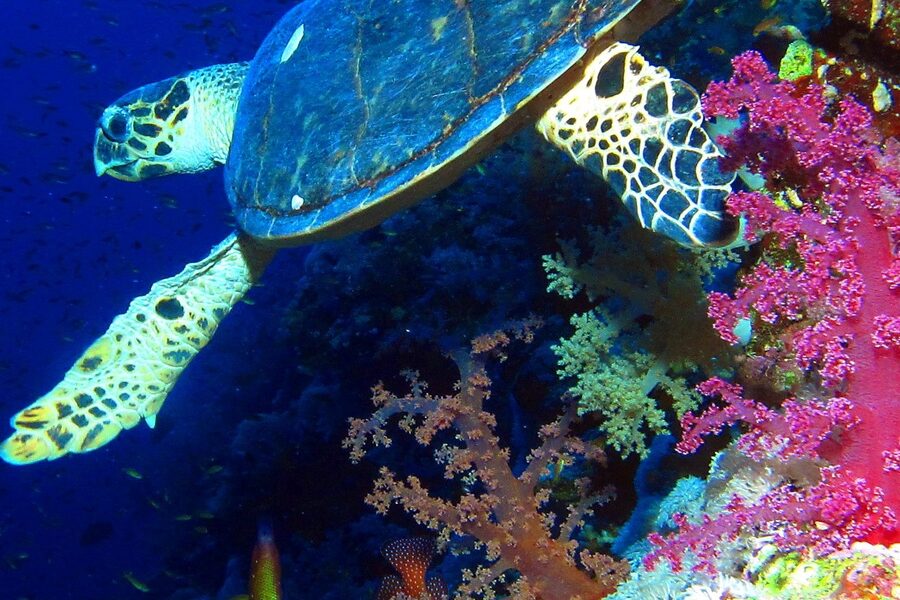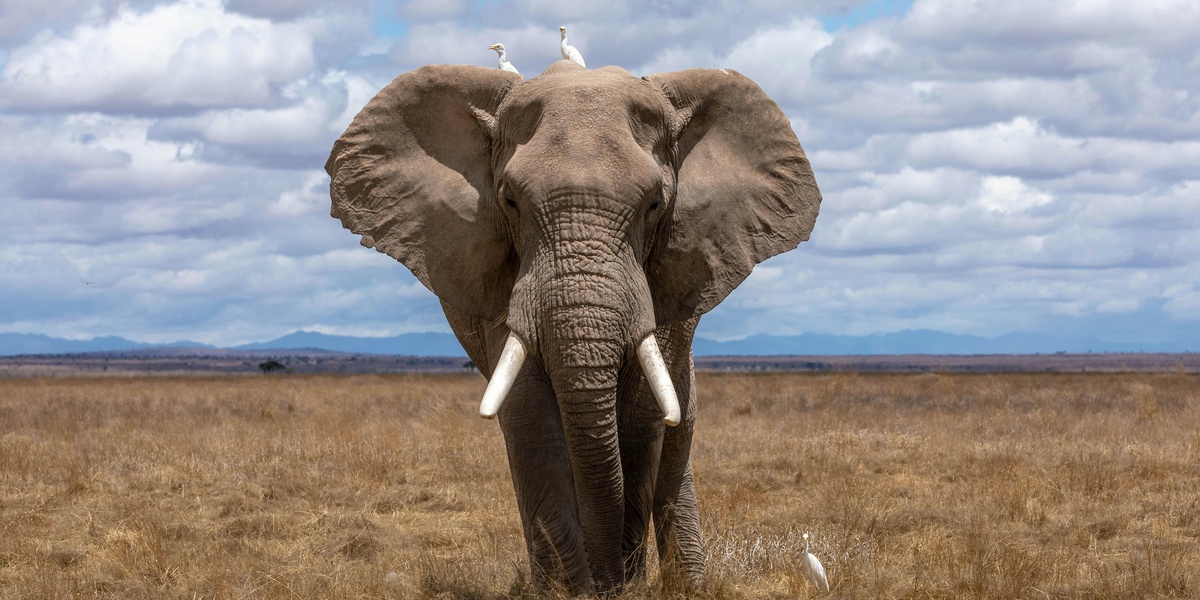
Burundi’s mix of montane forest, savanna and lakeshore habitats supports a surprising variety of native mammals that play key roles in local ecosystems and rural life. From small rodents and insectivores to larger carnivores and ungulates, the country’s fauna reflects its range of habitats and conservation challenges.
There are 75 Mammals of Burundi, ranging from Aardvark to Zorilla (Striped Polecat). For each species you’ll find below Scientific name,IUCN status,Burundi range & habitat so you can quickly see conservation standing and where each animal occurs in the country.
Which of these mammals are most at risk in Burundi?
Look at the IUCN status column in the list to spot Vulnerable, Endangered or Critically Endangered species; those categories identify the highest concern. Common threats across species include habitat loss and fragmentation, hunting and human–wildlife conflict, so species dependent on intact forest or large territories tend to be most vulnerable.
Where in Burundi are I most likely to see these mammals?
Protected areas and remnant forests are the best places: Kibira and Ruvubu national parks, along Lake Tanganyika shoreline and in forest patches on the highlands. Early morning and dusk surveys increase sightings; check the range & habitat notes below for species-specific guidance.
Mammals of Burundi
| Common name | Scientific name | IUCN status | Burundi range & habitat |
|---|---|---|---|
| Chimpanzee | Pan troglodytes | Endangered | Kibira National Park; montane rainforest |
| African Buffalo | Syncerus caffer | Near Threatened | Ruvubu National Park; savanna and woodland |
| Common Hippopotamus | Hippopotamus amphibius | Vulnerable | Lake Tanganyika, Ruvubu River; lakes and rivers |
| Leopard | Panthera pardus | Vulnerable | Kibira & Ruvubu NPs; adaptable to forest & savanna |
| Sitatunga | Tragelaphus spekii | Least Concern | Ruvubu NP, Malagarasi wetlands; papyrus swamps |
| Waterbuck | Kobus ellipsiprymnus | Least Concern | Ruvubu National Park; savanna near rivers & floodplains |
| African Bush Elephant | Loxodonta africana | Endangered | Historically in Ruvubu NP; savanna. Likely extirpated |
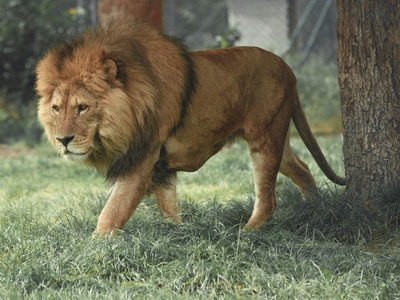
| Lion | Panthera leo | Vulnerable | Historically in Ruvubu NP; savanna. Considered extirpated |
| Olive Baboon | Papio anubis | Least Concern | Widespread; savanna, open woodland, rocky areas |
| L’Hoest’s Monkey | Allochrocebus lhoesti | Vulnerable | Kibira National Park; montane forest floor |
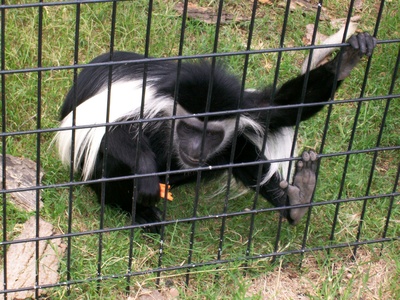
| Angolan Colobus | Colobus angolensis | Vulnerable | Kibira National Park; high-canopy montane forest |
| Blue Monkey | Cercopithecus mitis | Least Concern | Kibira National Park and other montane forests |
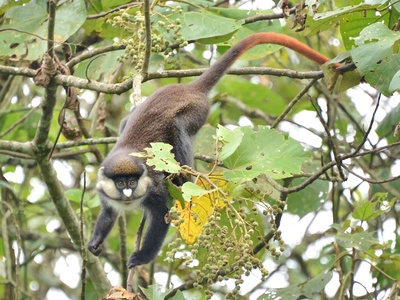
| Red-tailed Monkey | Cercopithecus ascanius | Least Concern | Forested areas, especially gallery and riverine forests |
| Vervet Monkey | Chlorocebus pygerythrus | Least Concern | Widespread; savanna, woodland, and agricultural edges |
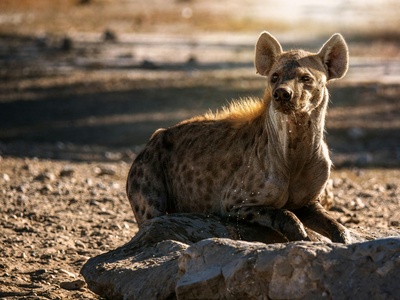
| Spotted Hyena | Crocuta crocuta | Least Concern | Ruvubu National Park; savanna and open woodland |
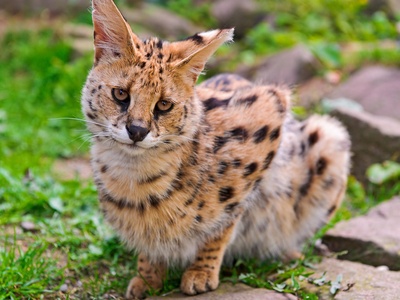
| Serval | Leptailurus serval | Least Concern | Ruvubu NP; grasslands and wetlands |
| Side-striped Jackal | Lupulella adusta | Least Concern | Widespread; woodlands, savannas, agricultural areas |
| African Civet | Civettictis civetta | Least Concern | Widespread; forests, woodlands, and dense thickets |
| Bushbuck | Tragelaphus scriptus | Least Concern | Widespread; forest edges, thickets, riverine bush |
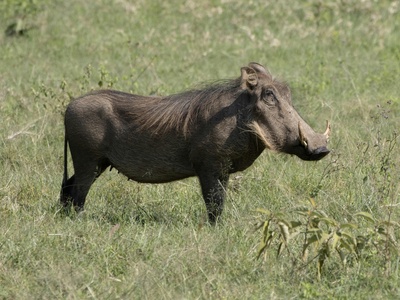
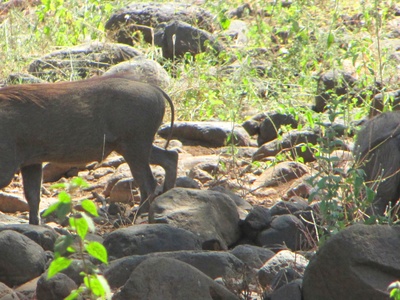
| Common Warthog | Phacochoerus africanus | Least Concern | Ruvubu National Park; open and wooded savannas |
| Bushpig | Potamochoerus larvatus | Least Concern | Widespread; forests, dense thickets, riverine vegetation |
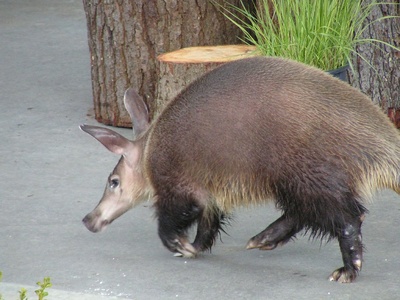
| Aardvark | Orycteropus afer | Least Concern | Widespread in savanna and grassland where termites occur |
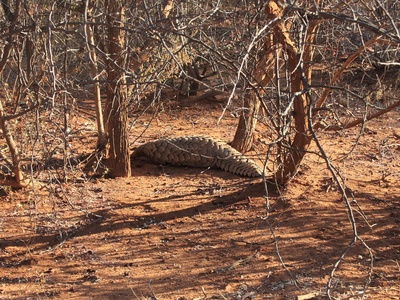
| Cape Pangolin | Smutsia temminckii | Vulnerable | Historically in savanna/woodland; extremely rare if present |
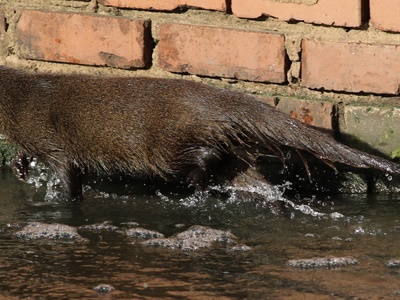
| Marsh Mongoose | Atilax paludinosus | Least Concern | Nationwide in wetlands, swamps, and riverbanks |
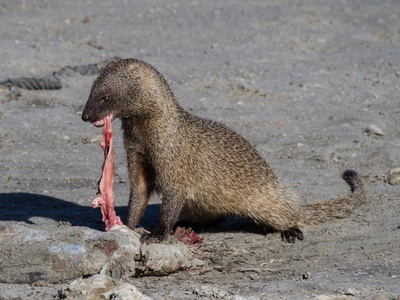
| Egyptian Mongoose | Herpestes ichneumon | Least Concern | Savannas, woodlands, and near wetlands |
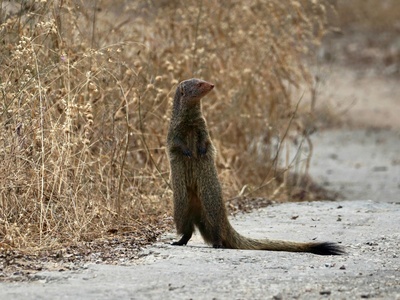
| Slender Mongoose | Herpestes sanguineus | Least Concern | Widespread in savannas and open woodlands |
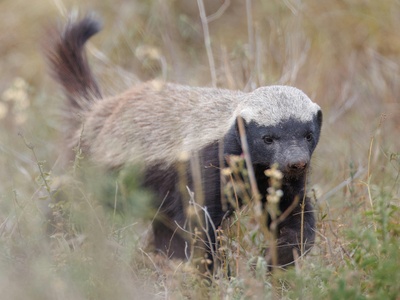
| Honey Badger | Mellivora capensis | Least Concern | Wide habitat range from savanna to forest; scarce |
| African Clawless Otter | Aonyx capensis | Near Threatened | Lake Tanganyika and major rivers; freshwater habitats |
| Spotted-necked Otter | Hydrictis maculicollis | Near Threatened | Lake Tanganyika and major rivers; prefers clear water |
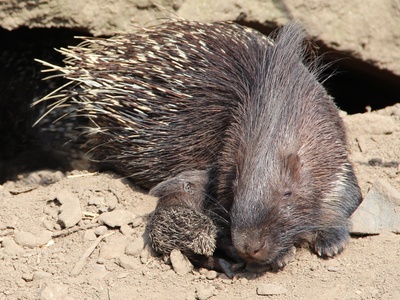
| Crested Porcupine | Hystrix cristata | Least Concern | Savannas, rocky hills, and open woodlands |
| Giant Pouched Rat | Cricetomys gambianus | Least Concern | Forests, thickets, and near human settlements |
| Egyptian Fruit Bat | Rousettus aegyptiacus | Least Concern | Widespread; caves, ruins, and forests |
| Hammer-headed Bat | Hypsignathus monstrosus | Least Concern | Lowland and riverine forests |
| Straw-coloured Fruit Bat | Eidolon helvum | Near Threatened | Migratory; forests and large urban trees |
| Topi | Damaliscus lunatus | Vulnerable | Ruvubu National Park; open grasslands and savanna |
| Oribi | Ourebia ourebi | Least Concern | Ruvubu National Park; open grasslands and light woodland |
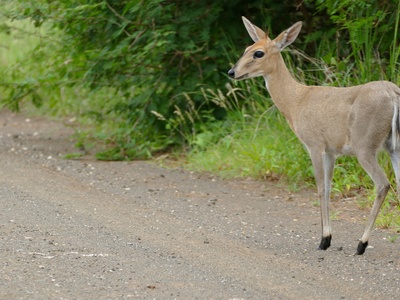
| Common Duiker | Sylvicapra grimmia | Least Concern | Widespread; savanna, bushland, and habitat edges |
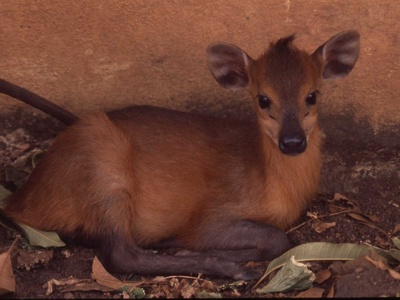
| Red-flanked Duiker | Cephalophus rufilatus | Least Concern | Savanna-forest mosaic, gallery forests |
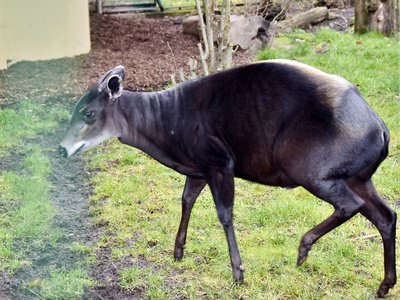
| Yellow-backed Duiker | Cephalophus silvicultor | Near Threatened | Dense montane forests like Kibira NP |
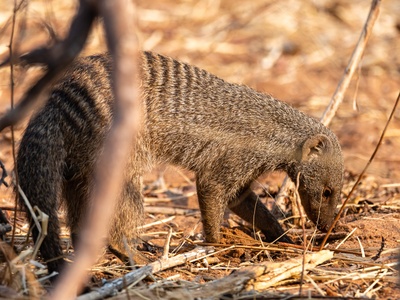
| Banded Mongoose | Mungos mungo | Least Concern | Savannas and open woodlands |
| White-tailed Mongoose | Ichneumia albicauda | Least Concern | Savannas and woodlands |
| Greater Cane Rat | Thryonomys swinderianus | Least Concern | Marshes, riverbanks, and agricultural lands |
| Boehm’s Bush Squirrel | Paraxerus boehmi | Least Concern | Kibira NP; forests and dense woodlands |
| Striped Ground Squirrel | Euxerus erythropus | Least Concern | Open woodlands and savanna |
| Roan Antelope | Hippotragus equinus | Least Concern | Historically in Ruvubu NP; savanna. Likely extirpated |
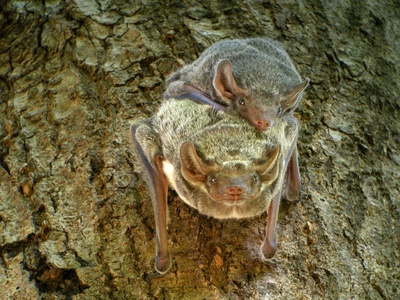
| Mauritian Tomb Bat | Taphozous mauritianus | Least Concern | Widespread; roosts openly on buildings and trees |
| Yellow-winged Bat | Lavia frons | Least Concern | Savanna and woodlands near water |
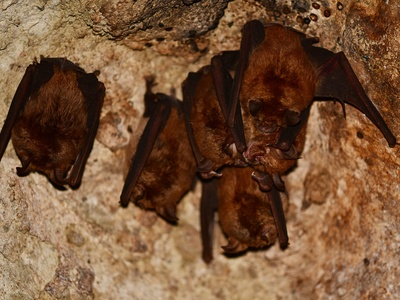
| Lander’s Horseshoe Bat | Rhinolophus landeri | Least Concern | Savanna and woodland; roosts in caves and trees |
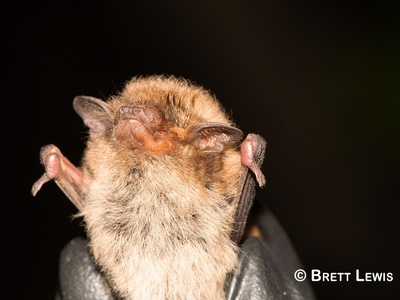
| Banana Pipistrelle | Neoromicia nanus | Least Concern | Forests, savannas, and banana groves |
| Little Free-tailed Bat | Chaerephon pumilus | Least Concern | Extremely widespread in most habitats |
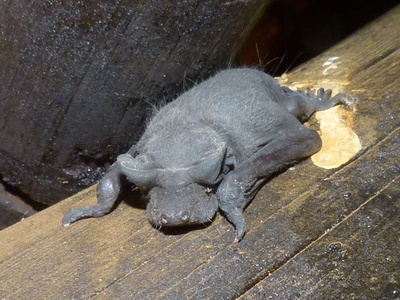
| Angolan Free-tailed Bat | Mops condylurus | Least Concern | Widespread in savanna, woodland, and towns |
| Four-toed Sengi | Petrodromus tetradactylus | Least Concern | Forest and thicket undergrowth |
| Southern Tree Hyrax | Dendrohyrax arboreus | Near Threatened | Kibira National Park; montane forests |
| Rock Hyrax | Procavia capensis | Least Concern | Rocky outcrops (kopjes) in savanna regions |
| Thick-tailed Greater Galago | Otolemur crassicaudatus | Least Concern | Riverine forests and woodlands |
| Zorilla (Striped Polecat) | Ictonyx striatus | Least Concern | Open grasslands and savannas |
| African Weasel | Poecilogale albinucha | Least Concern | Grasslands and savanna |
| Tree Pangolin | Phataginus tricuspis | Endangered | Kibira National Park; dense forests |
| Common Reedbuck | Redunca arundinum | Least Concern | Ruvubu NP; grasslands near water |
| Black-backed Jackal | Lupulella mesomelas | Least Concern | Open savannas |
| Alexander’s Cusimanse | Crossarchus alexandri | Least Concern | Forest floor of montane forests |
| Red-legged Sun Squirrel | Heliosciurus rufobrachium | Least Concern | Moist forests and woodlands |
| Natal Multimammate Mouse | Mastomys natalensis | Least Concern | Widespread, especially in agricultural & disturbed areas |
| Typical Striped Grass Mouse | Lemniscomys striatus | Least Concern | Grasslands and savannas |
| Guereza Colobus | Colobus guereza | Least Concern | Kibira National Park and other high forests |
| Patas Monkey | Erythrocebus patas | Near Threatened | Open savanna and grasslands |
| Giant Forest Hog | Hylochoerus meinertzhageni | Least Concern | Kibira National Park; montane forests |
| Aardwolf | Proteles cristata | Least Concern | Open grasslands and savanna |
| Bat-eared Fox | Otocyon megalotis | Least Concern | Short-grass plains and savanna |
| Springhare | Pedetes capensis | Least Concern | Open, sandy savannas |
| Potto | Perodicticus potto | Near Threatened | Forest canopy; nocturnal |
| African Wildcat | Felis lybica | Least Concern | Savannas and scrubland |
| Caracal | Caracal caracal | Least Concern | Drier savannas and woodlands |
| Rusty-spotted Genet | Genetta maculata | Least Concern | Forests and woodlands |
| Sun Squirrel | Heliosciurus gambianus | Least Concern | Savanna woodlands |
Images and Descriptions

Chimpanzee
Our closest living relative, this highly intelligent great ape lives in complex social groups and uses tools. In Burundi, the small population is critically threatened by deforestation for agriculture and poaching, making its protection in Kibira National Park vital for survival.

African Buffalo
A large, powerful bovine known for its formidable horns and unpredictable nature. Buffalo live in large herds and are essential grazers in the savanna ecosystem. They face threats from habitat loss and disease, though populations in protected areas like Ruvubu are stable.
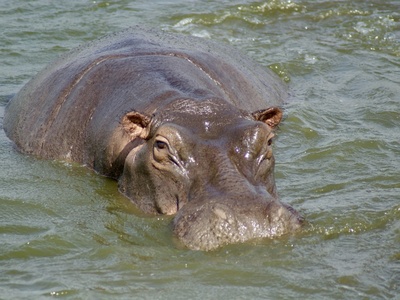
Common Hippopotamus
This massive, semi-aquatic herbivore can weigh over 1,500 kg and is surprisingly fast on land. Hippos spend their days in water to stay cool, emerging at night to graze. They are threatened by habitat loss and illegal hunting for their meat and ivory tusks.
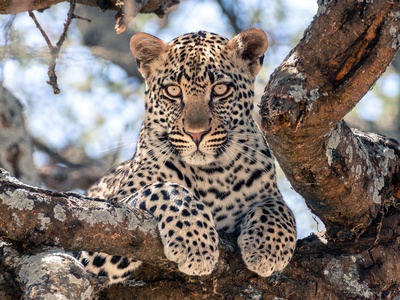
Leopard
A powerful and elusive big cat, famous for its spotted coat and ability to climb trees. Leopards are solitary, nocturnal hunters with a very broad diet. They are threatened by habitat fragmentation, loss of prey, and human-wildlife conflict across their range.

Sitatunga
A unique, semi-aquatic antelope with long, splayed hooves perfectly adapted for walking on soft marshland soil. Sitatungas are shy swimmers that spend most of their time in dense reed beds, making them difficult to spot. Their main threat is the drainage of wetland habitats.

Waterbuck
A large, robust antelope easily recognized by the white ring around its neck and its shaggy, waterproof coat. As their name implies, they are always found near water, which they use to escape predators. Their populations are generally stable within protected areas.

African Bush Elephant
The world’s largest land animal, recognized by its large ears and versatile trunk. Elephants are intelligent, social animals that shape their environment. Sadly, they are considered locally extinct in Burundi due to past poaching and intense habitat loss, with no recent confirmed sightings.
Lion
The iconic “king of the savanna,” known for its powerful roar and the male’s impressive mane. Lions are the only cats to live in social groups, called prides. They were driven to local extinction in Burundi decades ago by habitat loss and human-wildlife conflict.

Olive Baboon
A highly adaptable and social primate, living in large troops with complex hierarchies. Olive baboons are omnivorous, feeding on everything from roots to small animals. Their intelligence allows them to thrive in many environments, sometimes leading to conflict with farmers.
L’Hoest’s Monkey
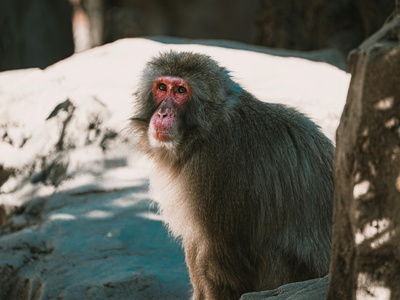
A handsome, terrestrial monkey with a dark coat, white ruff, and a long, hook-tipped tail. They live in small, female-dominated groups in the high-altitude forests of the Albertine Rift. Habitat loss is the primary threat to this geographically restricted species.
Angolan Colobus
A striking black-and-white monkey with long, silky white hair framing its face and shoulders. These leaf-eating monkeys are highly arboreal, leaping through the forest canopy. They are vulnerable to deforestation, which fragments their forest home and isolates populations.
Blue Monkey
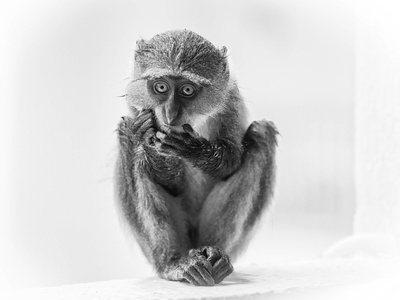
Despite the name, this forest monkey is primarily grey or olive, with a bluish tinge in certain light. They live in female-led social groups in the forest canopy, feeding on fruits and leaves. Habitat destruction is their main threat, though they are adaptable.
Red-tailed Monkey
A small, agile monkey distinguished by its heart-shaped white nose patch and long, reddish-brown tail. They are active and social, often found in mixed-species groups with other monkeys. They are adaptable but rely on connected forest corridors for survival.

Vervet Monkey
A common and adaptable monkey with a black face and grey body. Living in social troops, they are known for their complex vocalizations, including specific alarm calls for different predators. They often thrive near human settlements, which can lead to conflict.
Spotted Hyena
A powerful and intelligent carnivore with a distinctive “laughing” call and a sloping back. Often miscast as mere scavengers, they are formidable hunters, living in large, female-dominated clans. Their populations are declining outside protected areas due to persecution.
Serval
A slender, medium-sized wild cat with incredibly long legs, a short tail, and large, satellite-dish ears used to detect rodents underground. Servals are specialist hunters of small mammals in tall grass. Their biggest threat is the loss and degradation of wetland habitats.

Side-striped Jackal
A medium-sized canid, more commonly found in woodlands than other jackals. It is recognized by the indistinct white and black stripe on its flanks. This adaptable omnivore often forages for fruit and insects and is less of a livestock threat than its cousins.

African Civet
A large, solitary, and nocturnal mammal with a unique black-and-white blotched coat. It produces a strong-smelling musk from its perineal glands, historically used in perfumes. It is an omnivore that plays a role in seed dispersal but is threatened by hunting for bushmeat.

Bushbuck
A medium-sized, shy antelope with a variable coat marked with white spots and stripes for camouflage. Bushbucks are solitary browsers, typically active in the early morning and late evening. They are adaptable and can survive in small patches of habitat, even near farms.
Common Warthog
A wild pig famous for its distinctive facial “warts” and upward-curving tusks. Warthogs are grazers that live in family groups called sounders. They kneel on their front knees to feed and shelter in burrows at night. They are resilient but threatened by drought.
Bushpig
A sociable and nocturnal wild pig that is hairier and more solidly built than a warthog. They live in sounders and use their tough snouts to root for food. Their rooting can cause significant crop damage, leading to human-wildlife conflict in agricultural areas.
Aardvark
A unique nocturnal mammal with powerful claws for digging, a pig-like snout, and long, rabbit-like ears. Aardvarks are specialized feeders, consuming thousands of ants and termites each night. Their abandoned burrows provide shelter for many other savanna species.
Cape Pangolin
The only pangolin species found in southern and eastern Africa, this mammal is covered in protective keratin scales. It walks on its hind legs, using its tail for balance. Pangolins are among the most trafficked animals in the world, hunted for their scales and meat.
Marsh Mongoose
A robust, dark-brown mongoose with a semi-aquatic lifestyle. It has non-retractile claws and uses its nimble fingers to forage for crabs, frogs, and other small prey in and around water. The primary threat to this species is the pollution and drainage of wetlands.
Egyptian Mongoose
A large, slender mongoose with long, grizzled grey fur and a black-tipped tail. Famous in ancient Egyptian culture, it is a highly active and opportunistic predator of small mammals, birds, and reptiles. It is adaptable but can be persecuted by poultry farmers.
Slender Mongoose
A small, agile mongoose with a highly variable reddish or yellowish-brown coat and a distinctive black-tipped tail. It is a solitary, diurnal hunter that preys on insects, lizards, and rodents. Its speed and alertness help it survive in habitats with many predators.
Honey Badger
Renowned for its fearlessness, strength, and thick, loose skin, the honey badger is a formidable creature. It is an opportunistic carnivore with a varied diet, including bee larvae, which it will brave hives to get. It is often persecuted due to its destructive habits.

African Clawless Otter
The second-largest freshwater otter species, it lacks claws on its front feet, using its sensitive fingers to feel for crabs, mollusks, and frogs under rocks. They are mostly solitary and are threatened by water pollution and habitat destruction along riverbanks.

Spotted-necked Otter
A smaller, more slender otter with distinctive cream-colored spots on its throat and chest. It is a social, diurnal species that primarily hunts fish in clear, open water. Threats include water pollution, overfishing reducing its prey, and entanglement in fishing nets.
Crested Porcupine
A large rodent covered with long, sharp black-and-white quills that it uses for defense. When threatened, it raises its quills and charges backward to impale a predator. Porcupines are nocturnal herbivores that feed on roots, bark, and fallen fruit.
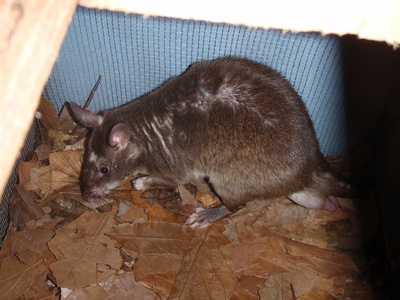
Giant Pouched Rat
A very large nocturnal rodent, known for its hamster-like cheek pouches used for carrying food. It has a keen sense of smell and is famously trained to detect landmines and tuberculosis. They are highly adaptable and can be found in a variety of habitats.

Egyptian Fruit Bat
A medium-sized fruit bat that is unique for using a simple form of echolocation (tongue-clicking) to navigate in the dark caves where it roosts. It forms large colonies and is an important pollinator and seed disperser, feeding on fruit and nectar.
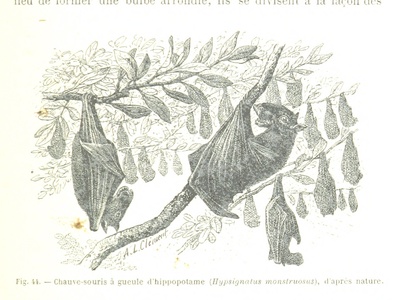
Hammer-headed Bat
The largest bat in mainland Africa, with males having a massive, moose-like head and loud, honking calls used in mating rituals. They gather in large groups (leks) to attract females. They are primarily fruit-eaters and play a role in seed dispersal.
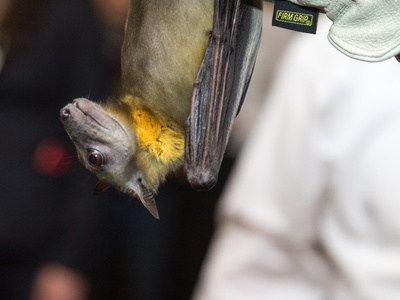
Straw-coloured Fruit Bat
A large, migratory bat that forms enormous colonies, sometimes numbering in the millions. They travel vast distances following ripening fruits, making them one of Africa’s most important seed dispersers and pollinators. Their colonies are threatened by deforestation and human disturbance.

Topi
A medium-sized, sociable antelope with a distinctive reddish-brown coat and dark patches on its legs. Known for its speed, the topi is one of the fastest antelopes. Their populations have declined due to habitat loss, hunting, and competition with livestock for grazing.
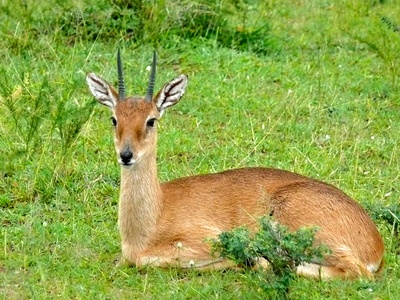
Oribi
A small, slender antelope with a graceful build and long neck. Oribi live in pairs or small groups and are known for their “stotting” behavior—a series of stiff-legged jumps—when alarmed. They are vulnerable to overhunting and habitat loss from agriculture.
Common Duiker
A small, solitary antelope found throughout sub-Saharan Africa. Its name comes from the Afrikaans word for “diver,” referring to its habit of diving into vegetation when threatened. They are browsers and can survive in a wide range of habitats, including those near humans.
Red-flanked Duiker
A small duiker with a reddish-tan coat, a dark dorsal stripe, and blue-grey legs. They are typically found in pairs and forage for leaves, fruits, and flowers in the dense undergrowth of woodlands and the edges of forests. They are shy and rarely seen.
Yellow-backed Duiker
The largest of all duiker species, this forest antelope has a distinctive patch of yellowish-white hair on its rump that erects when it is alarmed. It is a shy, solitary browser living in dense, remote forests, making it vulnerable to habitat destruction and hunting.
Banded Mongoose
A sturdy mongoose easily identified by the dark bands across its back. They are highly social, living in large packs with a complex social structure. They are active during the day, foraging together for insects, small reptiles, and bird eggs.
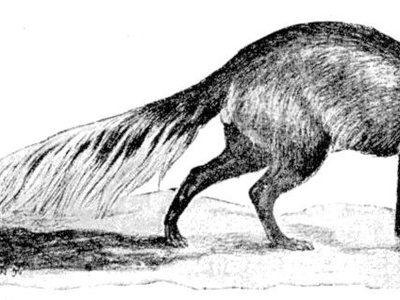
White-tailed Mongoose
The largest mongoose species in Africa, it is nocturnal and solitary. It is easily recognized by its long, grizzled grey body and a conspicuous, bushy white tail that makes up nearly half its body length. It preys on insects, snakes, and small mammals.
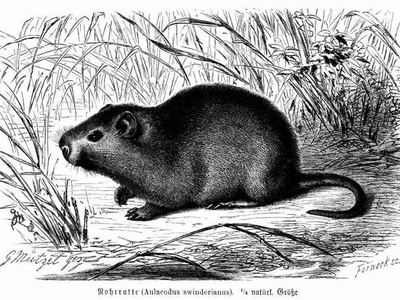
Greater Cane Rat
A large, heavily built rodent, valued in many parts of Africa as a source of bushmeat (“grasscutter”). They are herbivores, feeding on coarse grasses and crops like sugar cane. They are strong swimmers and live in small groups in dense vegetation near water.
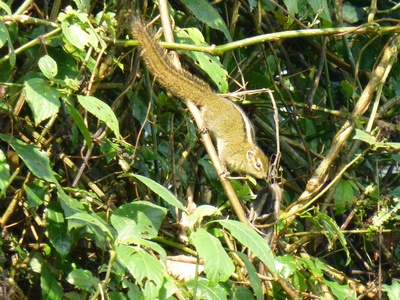
Boehm’s Bush Squirrel
A small, active squirrel with olive-brown fur and distinctive black-and-white stripes on its head and body. It is often seen scurrying up tree trunks and along branches in montane and riverine forests, foraging for insects, seeds, and fruits.
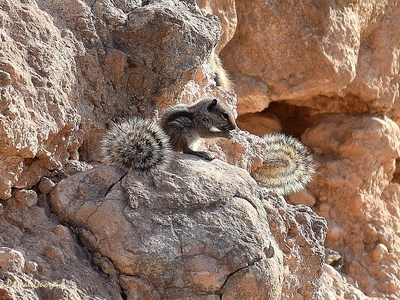
Striped Ground Squirrel
A terrestrial squirrel that lives in burrows rather than trees. It has a coarse, bristly coat with a single white stripe running along each flank. They are diurnal and social, often seen foraging for seeds and roots near their burrow entrances.

Roan Antelope
A large, powerful horse-like antelope with a reddish-grey coat, a distinctive black-and-white facial mask, and long, backward-curving horns. They are grazers that live in small herds. They have likely disappeared from Burundi due to past hunting and habitat changes.
Mauritian Tomb Bat
A sleek, greyish-white bat known for its habit of roosting in exposed places, such as on the outside walls of buildings or tree trunks, where its camouflage makes it resemble a patch of lichen. It is an insectivore that hunts moths and other flying insects.

Yellow-winged Bat
One of Africa’s most beautiful bats, with striking yellow-orange wings, ears, and nose-leaf that contrast with its pale grey body. It is a monogamous species that forms pairs, hunting insects from a perch like a flycatcher bird at dusk.
Lander’s Horseshoe Bat
A small member of the horseshoe bat family, named for the complex, fleshy “nose-leaf” structure around its nostrils which helps focus its echolocation calls. It forages for insects in cluttered environments and roosts in small colonies in caves, hollow trees, and mines.
Banana Pipistrelle
One of the smallest bats in Africa, this tiny insectivore is often found roosting in the rolled-up leaves of banana and plantain trees, which provide it with a safe daytime retreat. It is highly adaptable and can be found in a wide variety of habitats.

Little Free-tailed Bat
A small, fast-flying insectivorous bat with a tail that extends freely beyond the tail membrane, a characteristic of its family. It is incredibly adaptable, roosting in everything from hollow trees and rock crevices to the roofs of buildings, often in large colonies.
Angolan Free-tailed Bat
A robust, medium-sized bat with wrinkled lips and a free tail. It roosts in large, noisy colonies, often in the roofs of houses, which can bring it into conflict with people. It is a fast, high-altitude flyer that preys on hard-shelled beetles.
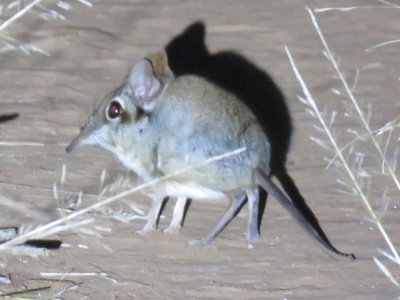
Four-toed Sengi
Also known as an elephant shrew, this small mammal has a long, flexible snout and long, slender legs for rapid movement. It is not a true shrew but belongs to its own ancient order. It scurries along cleared pathways on the forest floor, hunting for insects.
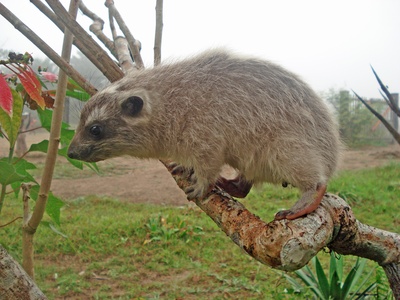
Southern Tree Hyrax
A nocturnal, tree-dwelling mammal that looks like a large guinea pig but is surprisingly related to elephants. It is known for its loud, shrieking calls that pierce the night forest. It feeds on leaves and is threatened by the loss of its old-growth forest habitat.
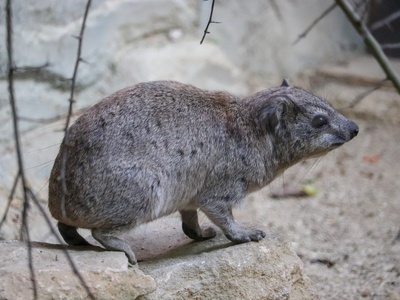
Rock Hyrax
A sociable, rodent-like mammal that lives in large colonies among rocky outcrops, which provide protection from predators. Despite its appearance, its closest living relatives are elephants and sea cows. They spend much of their day basking in the sun to regulate body temperature.
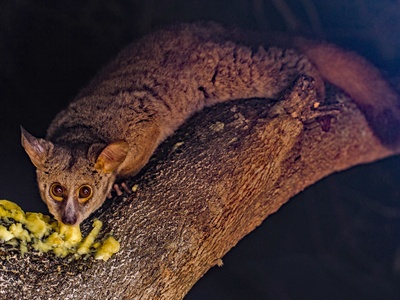
Thick-tailed Greater Galago
The largest species of bushbaby, this nocturnal primate has large eyes for night vision, mobile ears, and a thick, bushy tail for balance. It leaps through the trees in search of fruit and insects, and its loud, baby-like cry is a characteristic sound of the African night.
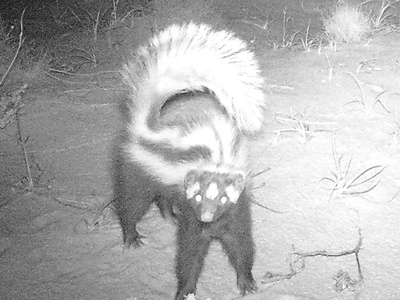
Zorilla (Striped Polecat)
Resembling a North American skunk, the zorilla is a small carnivore with a bold black-and-white striped pattern. When threatened, it can spray a foul-smelling fluid from its anal glands. It is a solitary, nocturnal hunter of rodents, reptiles, and insects.
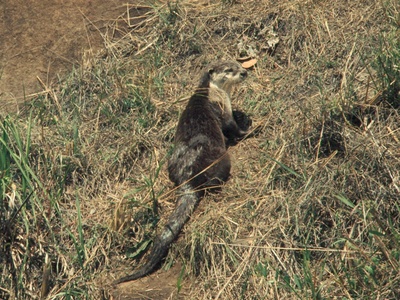
African Weasel
A small, slender predator with a long, snake-like body and short legs, well-suited for hunting rodents in their burrows. It has a distinct black-and-white pattern, with a white patch on the head and white stripes down its back. It is secretive and rarely seen.
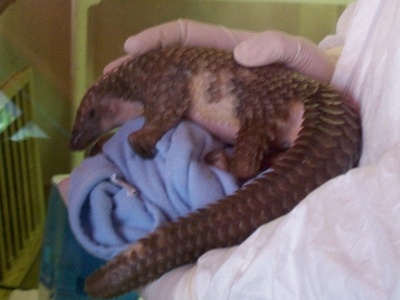
Tree Pangolin
A nocturnal, tree-climbing mammal covered in sharp, overlapping scales made of keratin. It uses its long, prehensile tail to hang from branches and a sticky tongue to eat ants and termites. It is critically threatened by illegal trafficking for its meat and scales.

Common Reedbuck
A graceful, medium-sized antelope that prefers habitats with tall grass or reeds for cover. Males have short, forward-curving horns. When alarmed, they emit a sharp whistle and flee with a distinctive rocking-horse gait, flashing the white underside of their bushy tails.

Black-backed Jackal
A small, clever canid recognized by the black “saddle” mixed with silver hairs on its back. They are highly vocal, with a distinctive wailing call. Living in monogamous pairs, they are opportunistic omnivores, scavenging and hunting small animals and birds.
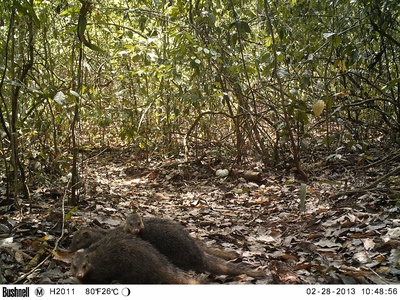
Alexander’s Cusimanse
A small, social mongoose that lives in groups of 10-20 individuals. They are active during the day, constantly foraging through the leaf litter on the forest floor for invertebrates, using their long snouts to probe the soil. They communicate with a variety of chirps and grunts.
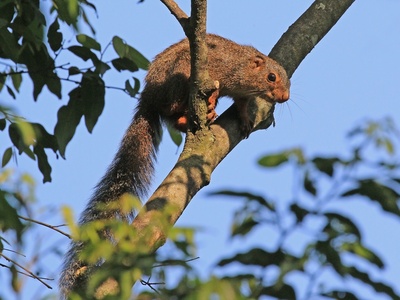
Red-legged Sun Squirrel
A colorful and active diurnal squirrel found in the canopy of forests. It has an olive-brown body with reddish fur on its underparts and legs. It feeds on a variety of foods, including fruits, nuts, and insects, and is an important seed disperser.
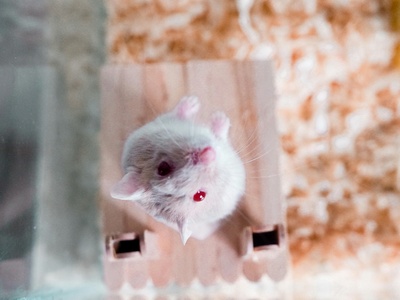
Natal Multimammate Mouse
A common rodent known for the female’s high number of nipples (up to 24). It is extremely adaptable and prolific, often living in close association with humans and agricultural fields, where it can be a significant pest and a carrier of diseases.
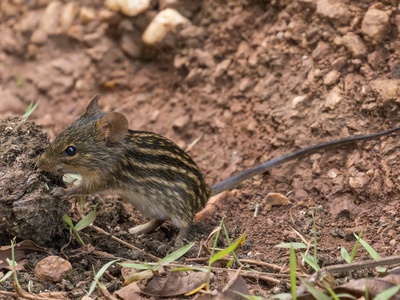
Typical Striped Grass Mouse
A small rodent easily identified by the distinct dark and light stripes running down its back, providing excellent camouflage in grassy habitats. It is diurnal and builds grass nests at the base of tussocks, feeding on seeds and insects.
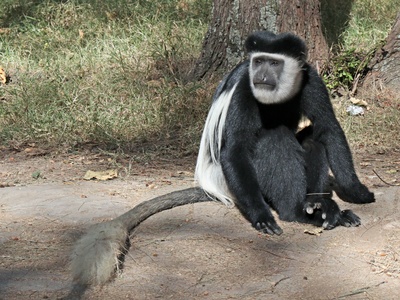
Guereza Colobus
A large, striking monkey with a glossy black coat, a white facial fringe and mantle, and a long, white, bushy tail. As a leaf-eater, it has a specialized stomach to digest foliage. It lives in small social groups and is threatened by deforestation.
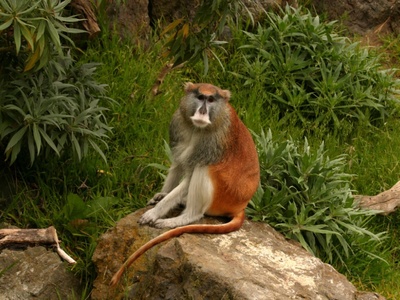
Patas Monkey
A lanky, ground-dwelling monkey built for speed, making it the fastest primate in the world. It has a reddish-brown coat and long limbs. Living in female-led groups, it roams across the open savanna, feeding on grasses, insects, and seeds.
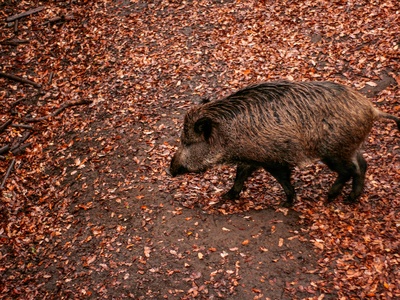
Giant Forest Hog
The world’s largest species of wild pig, this imposing animal is covered in coarse black hair and has large, fleshy swellings below its eyes. They are shy, nocturnal animals that live in small groups in dense forests, feeding on a wide variety of vegetation.
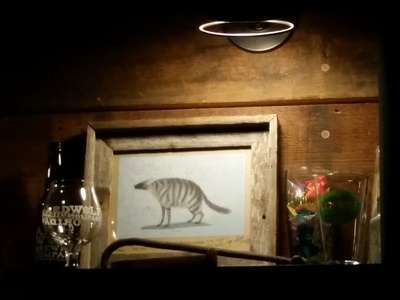
Aardwolf
A strange, hyena-like mammal that is actually a specialized insectivore, not a carnivore. It uses its long, sticky tongue to eat up to 250,000 termites in a single night. It has a mane that it can erect to make itself look bigger when threatened.
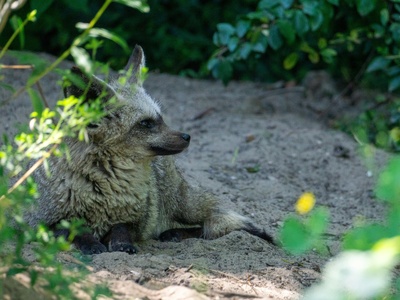
Bat-eared Fox
A small, silvery-grey fox with enormous ears that it uses to locate insects, its primary food source, underground. They are social animals, often living in pairs or small family groups, and are unusual among canids for having a diet that is mostly insects.
Springhare
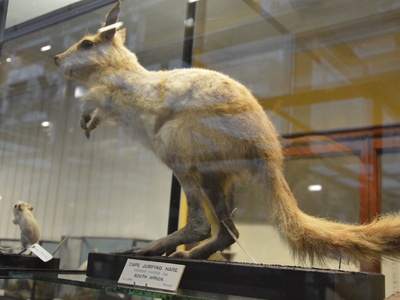
A peculiar nocturnal rodent that looks like a small kangaroo, with powerful hind legs for hopping and a long tail for balance. They live in burrows and emerge at night to graze on grasses and herbs. Their large eyes give them excellent night vision.

Potto
A slow-moving, nocturnal primate related to lorises, found high in the forest canopy. It has a strong grip and moves deliberately along branches to find fruit and insects. It possesses unique bony projections on its neck vertebrae, used for defense against predators.

African Wildcat
The ancestor of the domestic cat, this small wildcat is very similar in appearance but has longer legs and a more slender build. It is a solitary and nocturnal hunter of rodents, birds, and insects. It faces threats from hybridization with domestic cats.

Caracal
A powerfully built, medium-sized cat recognized by its reddish-tan coat and long, black-tufted ears. The ear tufts are thought to enhance its hearing. Caracals are formidable hunters, capable of leaping high into the air to catch birds in flight.
Rusty-spotted Genet
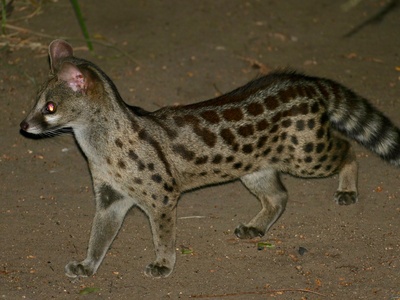
A slender, cat-like carnivore with a spotted coat, a long banded tail, and a nocturnal, secretive nature. It is an agile climber, hunting for small rodents, birds, and insects both in trees and on the ground. Its presence is often revealed only by tracks.
Sun Squirrel
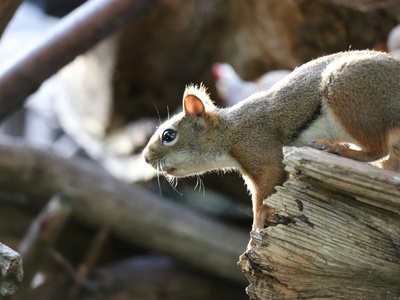
A diurnal, tree-dwelling squirrel often seen basking in the sun, which gives the genus its name. It has a grizzled, yellowish-brown coat that provides camouflage against tree bark. It feeds on seeds, nuts, and insects, and builds leafy nests in tree cavities.