Montenegro’s mix of coastal pines, karst plateaus and mountainous valleys supports a surprising variety of tree species. Walks from the Adriatic coast up into inland forests reveal different shapes, colors and habitats that tell the island-continent story of the region.
There are 50 Trees of Montenegro, ranging from Aleppo pine to Wych elm. For each entry, the list is organized with Scientific name,Nativeness & habitat,Typical height (m) so you can quickly compare what grows where and how tall it typically gets — you’ll find below.
How reliable is the information about nativeness and habitat for these species?
The list compiles commonly reported ranges from regional floras, museum records and conservation sources; it gives a practical starting point but local microhabitats and recent range shifts can vary, so consult local forestry services or updated regional checklists for conservation-sensitive uses.
When is the best time to spot and identify different trees in Montenegro?
Spring and early summer are best for leaf and flower characters, while late summer shows fruiting and autumn reveals color differences; evergreens like Aleppo pine are identifiable year-round, whereas deciduous species such as Wych elm are easiest to confirm when in leaf.
Trees of Montenegro
| Common name | Scientific name | Nativeness & habitat | Typical height (m) |
|---|---|---|---|
| European beech | Fagus sylvatica | Native; montane beech forests | 25-35 |
| Silver fir | Abies alba | Native; mixed montane forests | 30-50 |
| Bosnian pine | Pinus heldreichii | Native; high-elevation rocky slopes | 10-35 |
| Black pine | Pinus nigra | Native; submontane to montane slopes | 20-40 |
| Scots pine | Pinus sylvestris | Native/local; montane stands | 15-30 |
| Norway spruce | Picea abies | Native/planted; high-elevation forests | 20-40 |
| European yew | Taxus baccata | Native; shady mixed forests | 5-20 |
| Oriental plane | Platanus orientalis | Native/riverine; rivers, gorges, towns | 20-30 |
| Common ash | Fraxinus excelsior | Native; mixed woodlands and riverbanks | 20-35 |
| Manna ash | Fraxinus ornus | Native; dry, rocky lower slopes | 8-20 |
| Black alder | Alnus glutinosa | Native; stream and wet ground | 15-25 |
| White willow | Salix alba | Native; riverbanks, floodplains | 15-25 |
| Black poplar | Populus nigra | Native; rivers and floodplains | 20-30 |
| White poplar | Populus alba | Native; rivers, floodplains, lowland | 15-25 |
| Aspen | Populus tremula | Native; montane open woods and clearings | 10-20 |
| Holm oak | Quercus ilex | Native/local; coastal woodlands and maquis | 10-25 |
| Downy oak | Quercus pubescens | Native; dry limestone slopes, low mountains | 8-20 |
| Sessile oak | Quercus petraea | Native; montane and submontane forests | 20-30 |
| Pedunculate oak | Quercus robur | Native; lowland floodplain and mixed forests | 20-35 |
| Turkey oak | Quercus cerris | Native; lowland to submontane woodlands | 20-35 |
| Hungarian oak | Quercus frainetto | Native; sub-Mediterranean woodlands | 20-30 |
| European hornbeam | Carpinus betulus | Native; mixed forests and river valleys | 15-25 |
| Hop-hornbeam | Ostrya carpinifolia | Native; dry, rocky slopes and gorges | 10-20 |
| Field maple | Acer campestre | Native; lowland woods and hedges | 8-20 |
| Sycamore maple | Acer pseudoplatanus | Native; montane forests and ravines | 15-30 |
| Montpellier maple | Acer monspessulanum | Native; Mediterranean rocky slopes | 5-15 |
| Norway maple | Acer platanoides | Native/local; river valleys and forests | 15-25 |
| Horse-chestnut | Aesculus hippocastanum | Native/naturalized; river gorges and parks | 15-25 |
| Sweet chestnut | Castanea sativa | Native/long-established; foothills and cultivated stands | 15-30 |
| European nettle tree | Celtis australis | Native; coastal and lowland woodlands | 10-25 |
| Walnut | Juglans regia | Introduced/long-cultivated; orchards and river valleys | 10-30 |
| Small-leaved lime | Tilia cordata | Native; montane and valley woodlands | 15-25 |
| Stone pine | Pinus pinea | Introduced/long-cultivated; coastal plantings | 10-25 |
| Aleppo pine | Pinus halepensis | Introduced/naturalized; coastal dunes and maquis | 8-20 |
| Olive | Olea europaea | Introduced/cultivated; coastal terraces and villages | 3-10 |
| Service tree | Sorbus domestica | Native; warm dry slopes and orchards | 8-20 |
| Rowan | Sorbus aucuparia | Native; montane and subalpine clearings | 5-15 |
| Wild cherry | Prunus avium | Native; mixed forests and mountain valleys | 10-25 |
| Common pear | Pyrus communis | Introduced/cultivated; orchards and hedgerows | 5-15 |
| Black locust | Robinia pseudoacacia | Introduced/naturalized; disturbed sites and roadsides | 10-25 |
| Wych elm | Ulmus glabra | Native; moist montane woods and valleys | 20-30 |
| Field elm | Ulmus minor | Native; lowland floodplain and mixed forests | 15-25 |
| Silver birch | Betula pendula | Native; montane clearings and subalpine belts | 10-20 |
| Turkish hazel | Corylus colurna | Introduced/long-cultivated; parks and avenues | 12-20 |
| Judas tree | Cercis siliquastrum | Introduced/long-established; coastal and warm valleys | 6-10 |
| Blue gum | Eucalyptus globulus | Introduced/plantation; coastal plantations and parks | 20-40 |
| Bay laurel | Laurus nobilis | Native; coastal maquis and gardens | 3-8 |
| Common fig | Ficus carica | Long-cultivated; coastal gardens and terraces, feral | 3-8 |
| White mulberry | Morus alba | Introduced/long-cultivated; towns and orchards | 8-12 |
| Common juniper | Juniperus communis | Native; montane rocky sites and open slopes | 2-8 |
Images and Descriptions
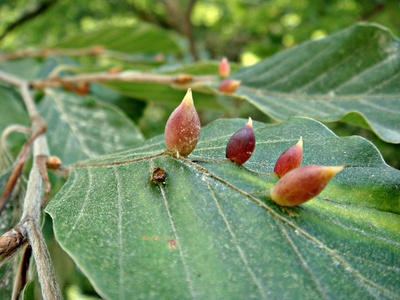
European beech
Tall, smooth-barked tree with dense canopy and serrated leaves. Common in central and northern mountain ranges (Durmitor, Prokletije). Key for identifying montane forests; provides important shade and leaf litter, often forming pure stands.
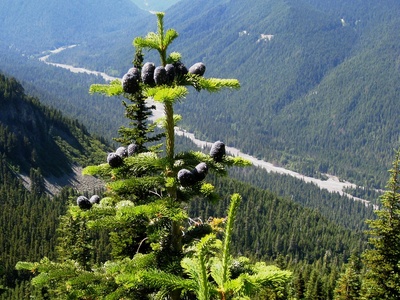
Silver fir
Straight conifer with flattened needles and upright cones. Occurs in higher montane zones with beech and spruce in northern and central ranges. Notable for tall, columnar habit and importance in mountain timber and biodiversity.
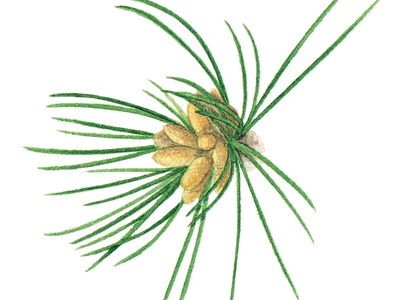
Bosnian pine
Slow-growing, rugged pine with dark bark and stiff needles in bundles of two. Found on limestone ridges and peaks (Durmitor, Prokletije). Distinguished by twisted trunks and longevity; common in subalpine stands.
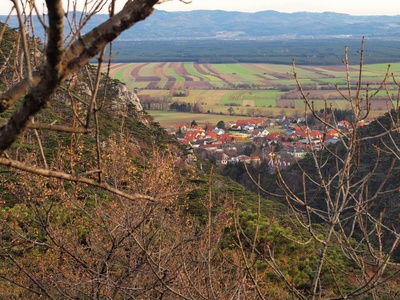
Black pine
Robust pine with dark fissured bark and two-needled bundles. Widespread on drier slopes and plateaus; common in central and eastern Montenegro. Recognizable by thick bark and elongated cones.
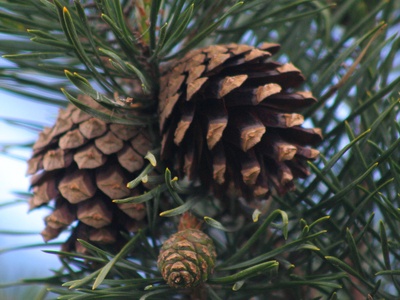
Scots pine
Tall, straight pine with flaky orange-brown bark on upper trunk. Occurs in scattered montane woods and higher valleys. Needles in pairs and small cones help distinguish it from other pines.
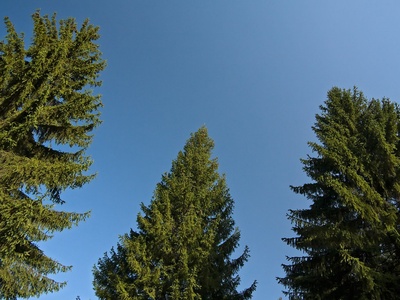
Norway spruce
Conical evergreen with pendulous branchlets and four-sided needles. Present in higher mountain forests and planted stands; common near moist slopes. Distinguished by hanging cones and sharp needles.
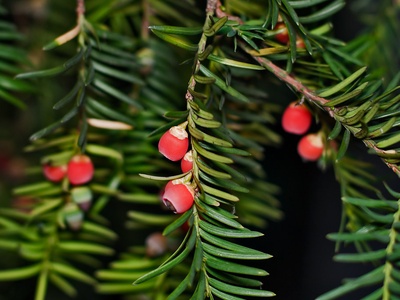
European yew
Evergreen with dark, flat needles and red arils. Scattered in shady ravines and old-growth pockets; historically valued and protected. Slow-growing and long-lived, often found beneath beech-fir canopies.
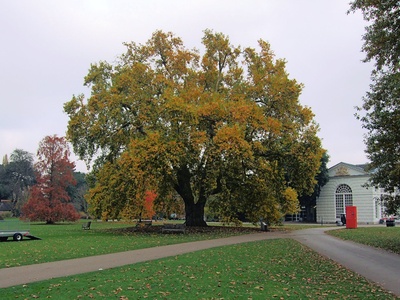
Oriental plane
Massive trunk with peeling bark and large palmate leaves. Typical along rivers, canyons and historic town promenades. Notable for broad crown, knotty bases and tolerance of floodplain conditions.

Common ash
Tall deciduous tree with pinnate leaves and black buds. Frequent in river valleys, mixed forests and shady ravines. Important timber species; easily recognized by opposite leaf pairs and winged seeds.

Manna ash
Medium tree with pinnate leaves and fragrant spring panicles of creamy flowers. Found on warmer, drier lower slopes and limestone outcrops. Noted for ornamental flowers and rough bark.
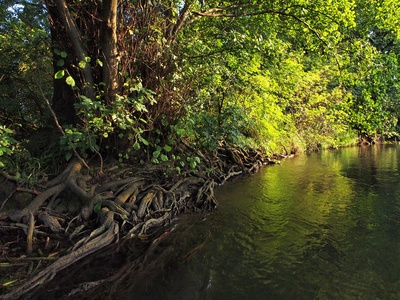
Black alder
Grows along streams, wetlands and river margins; distinctive catkins and cone-like fruit. Tolerant of wet soils and useful for stabilizing banks; bark often dark and fissured.
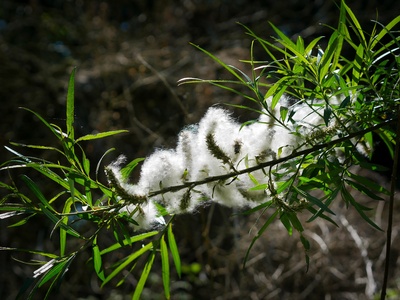
White willow
Fast-growing riparian tree with long, narrow pale underside leaves. Common along rivers and floodplains; recognizable by silvery foliage and flexible branches, often used as indicator of wet sites.
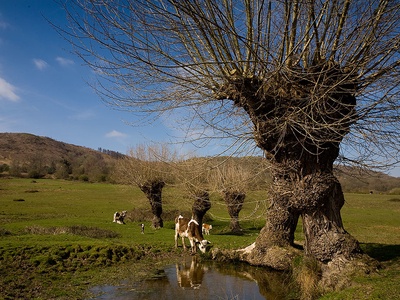
Black poplar
Large poplar with deeply fissured bark and triangular leaves. Occurs along lowland rivers and alluvial plains; male/female trees produce cottony seeds. Important for floodplain ecology.
White poplar
Tree with whitish undersides of leaves and peeling bark on older trunks. Found in lowland river corridors and warmer valleys; leaves often lobed and woolly underneath.
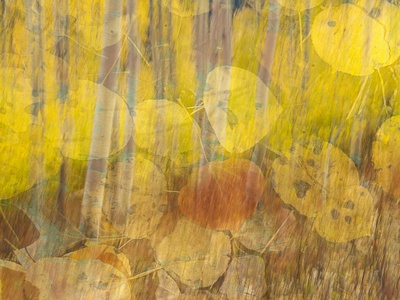
Aspen
Distinctive trembling leaves on flattened petioles and smooth bark. Occurs in montane clearings and mixed forests; forms clones and colonizes disturbed ground with fluttering foliage.
Holm oak
Evergreen oak with dark leathery leaves and acorns. Found in coastal maquis and lower slopes near the Adriatic. Useful ID: glossy leaves and dense evergreen habit, common near seaside villages.

Downy oak
Small to medium deciduous oak with hairy twigs and lobed leaves. Widespread on dry, calcareous soils and gorges; often forms open, sunlit woodlands and maquis.
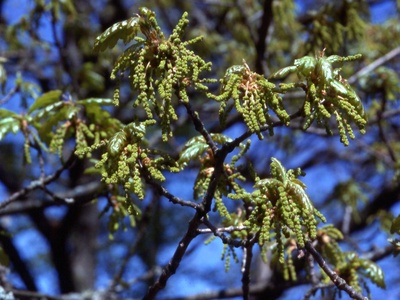
Sessile oak
Deciduous oak with stalkless leaves and acorns on long stalks. Common in upland mixed forests; often replaces pedunculate oak at higher elevations. Notable for deep-rooted, straight trunks.
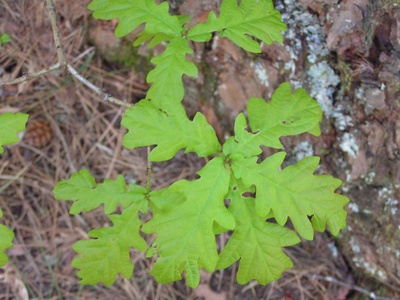
Pedunculate oak
Large broad-crowned oak with long-stalked acorns and deeply ridged bark. Typical in lowland river valleys and fertile soils; key species of floodplain woodland and old-growth stands.
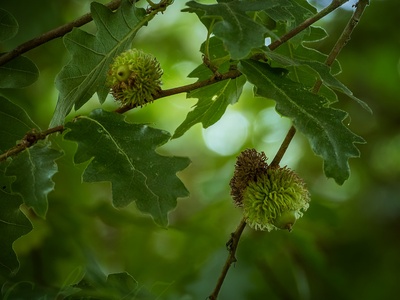
Turkey oak
Deciduous oak with hairy cupules on acorns and rough bark. Present in lowland and submontane areas; identifiable by long, narrow lobed leaves and distinctive acorn cups.
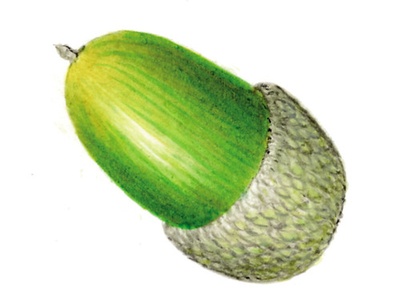
Hungarian oak
Tall oak of warmer slopes and valleys with large lobed leaves. Occurs in southern and central Montenegro in warmer, drier habitats; valued for timber and wildlife mast.
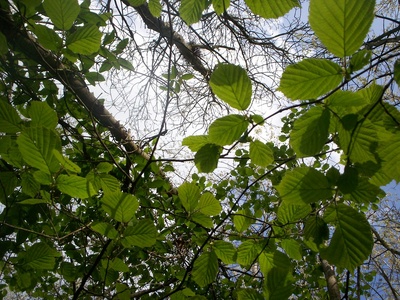
European hornbeam
Dense-crowned tree with fluted trunk and serrated leaves. Frequent in mixed beech and oak woods and river valleys. Notable for hard wood and characteristic muscle-like trunk fluting.
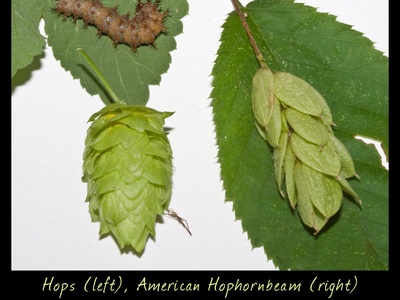
Hop-hornbeam
Small to medium tree with peeling, flaky bark and hop-like seed clusters. Found on warm limestone slopes, gorges and scrubby woodlands; often co-occurs with oaks.
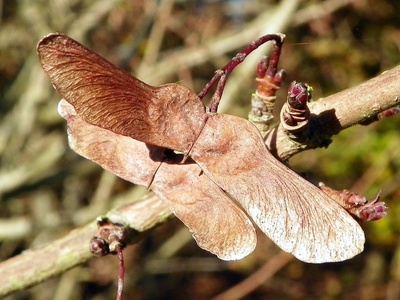
Field maple
Small to medium deciduous tree with five-lobed leaves and paired samaras. Common in lowland hedgerows, wood margins and villages; good for identification by winged fruit.
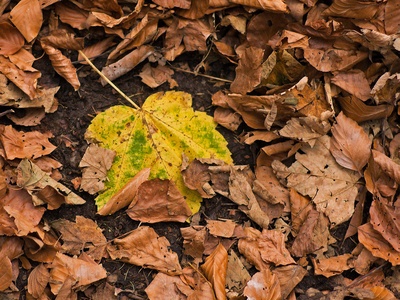
Sycamore maple
Large maple with palmate leaves and big samaras. Found in cool mountain forests and deep ravines; bark becomes scaly and branches spread widely with age.
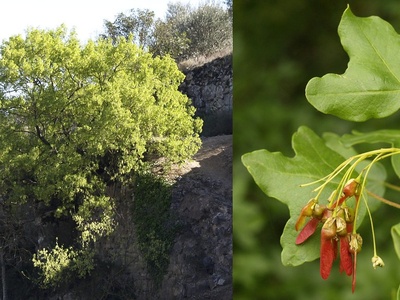
Montpellier maple
Small maple of dry coastal and rocky habitats with three-lobed leaves. More common on warmer limestone outcrops near the coast and lower hills; often a shrubby tree form.
Norway maple
Robust maple with broad palmate leaves and milky sap in petiole. Present in mixed lowland woods and valleys; identifiable by big leaves and opposite branching.
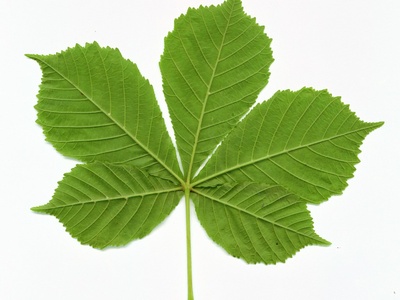
Horse-chestnut
Large tree with palmately compound leaves and showy white flower spikes in spring. Native to Balkan mountains and common in river gorges and historic plantings; notable for conker fruits.
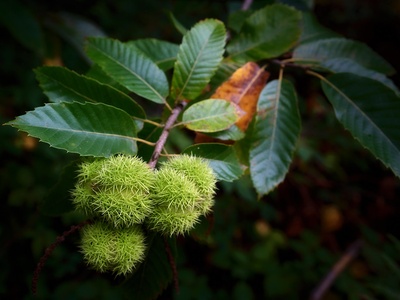
Sweet chestnut
Large tree with long serrated leaves and spiny burrs containing nuts. Grows in foothills, parklands and orchards; economically important and common in southern montane zones.
European nettle tree
Deciduous tree with rough bark and asymmetrical simple leaves. Typical in warmer lowlands and coastal areas; edible drupes attract birds and aid identification.
Walnut
Large deciduous tree with pinnate leaves and ridged walnuts. Widespread in orchards, villages and fertile valleys; valued for nuts and timber, often naturalized near settlements.
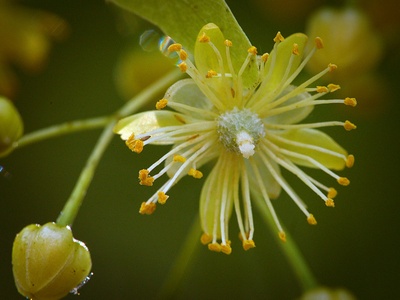
Small-leaved lime
Large broadleaf with heart-shaped leaves and fragrant pale-yellow flowers in summer. Found in mixed montane forests and valleys; important for pollinators and shade.
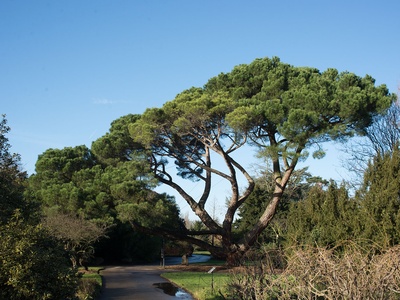
Stone pine
Umbrella-shaped pine with broad crown and edible pine nuts. Common along the Adriatic coast in promenades and terraces; distinctive silhouette and large spherical cones.
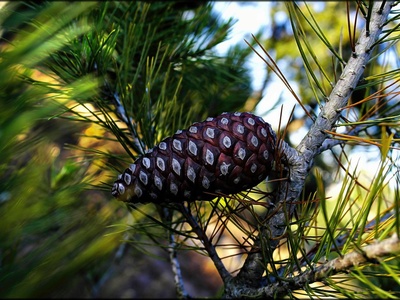
Aleppo pine
Mediterranean pine adapted to warm, dry sites near the coast. Found in coastal maquis and stabilizing dunes; recognized by slender needles and orange-brown flaky bark.
Olive
Gnarled evergreen tree with silvery leaves and edible fruits. Widespread in coastal gardens, terraces and old groves; distinctive twisted trunks and long cultural history in the region.
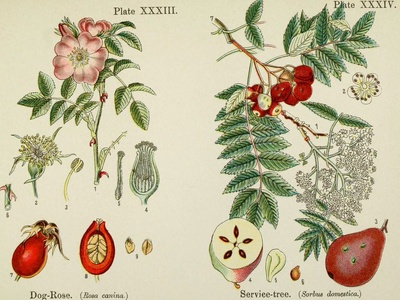
Service tree
Rare, stately tree with pinnate leaves and apple-like fruit. Occurs on warm, dry hillsides and old orchards; valued historically for timber and fruit, often scattered and locally uncommon.
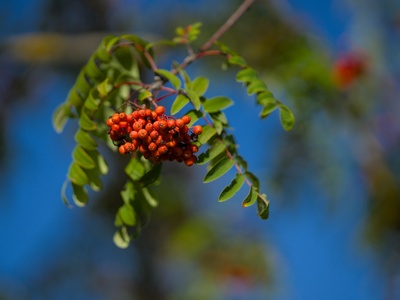
Rowan
Small tree with pinnate leaves and bright red berries in autumn. Common in higher mountain clearings, subalpine zones and forest edges; important for bird food and easy to spot by berries.

Wild cherry
Deciduous tree with glossy leaves and spring white blossoms. Occurs in montane mixed woods and valleys; fruits attract wildlife and birds, bark often smooth when young.
Common pear
Typical orchard tree with simple leaves and pome fruits. Widespread in cultivated landscapes, villages and sometimes feral along hedgerows; many varieties in local orchards.
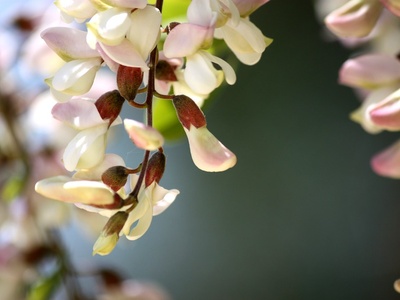
Black locust
Fast-growing tree with pinnate leaves and fragrant white pea-flowers. Widely naturalized along roads, disturbed land and riverbanks; notable for thorns on young shoots and hard timber.
Wych elm
Large elm with rough bark and broad leaves. Found in moister mountain forests and ravines; can be distinguished from other elms by leaf shape and samara size though disease has reduced populations.
Field elm
Medium elm of lowland floodplains and hedgerows. Historically common along rivers and valleys; identifiable by asymmetrical leaf bases and smaller samaras.
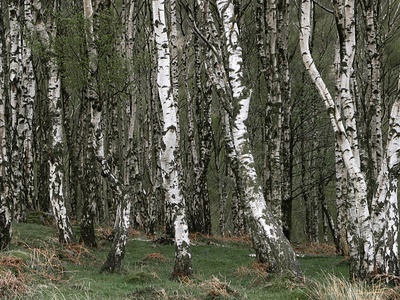
Silver birch
Slender tree with white peeling bark and triangular serrated leaves. Occurs in high-elevation clearings and early successional habitats; bark and dangling catkins are good ID features.
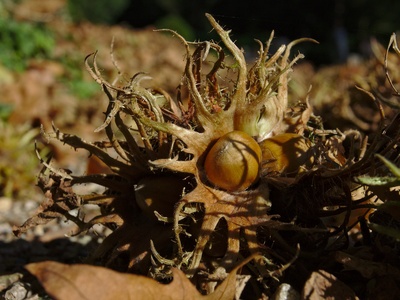
Turkish hazel
Large single-stemmed hazel used as avenue and park tree. Present in towns and long-established plantings; differs from common hazel by its tree form and rough, corky bark.

Judas tree
Small ornamental tree with heart-shaped leaves and vivid pink spring flowers on bare stems. Found in coastal towns, gardens and warm river valleys; notable for striking early blossoms.
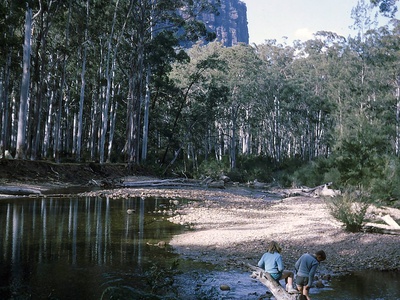
Blue gum
Tall evergreen with aromatic leaves and smooth, peeling bark. Planted in coastal plantations and parks; noticeable for height, fragrance and rapid growth, sometimes naturalized near plantings.

Bay laurel
Evergreen aromatic tree of coastal maquis and old gardens. Recognizable by glossy leaves used as seasoning; in Montenegro occurs naturally near the coast and widely planted.
Common fig
Small, spreading tree with large lobed leaves and sweet edible figs. Common in coastal villages and terraced gardens; often feral near abandoned orchards, easy to spot by fruits.
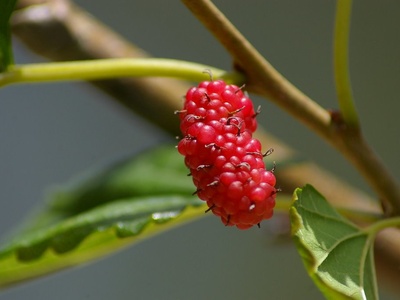
White mulberry
Fast-growing tree with lobed to unlobed leaves and sweet berries. Historically planted near homes and silk-production sites; common in towns and villages, sometimes naturalized.
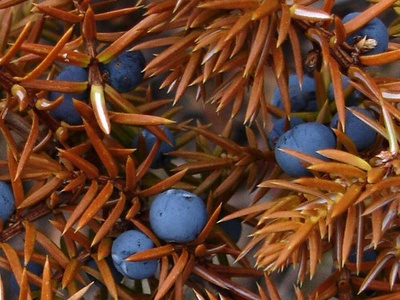
Common juniper
Variable conifer that can form low shrubs or small trees with prickly leaves. Found on rocky ridges and high slopes; look for needle-like leaves in whorls and bluish berry-like cones.