Niger’s rivers, irrigated fields and dryland margins are increasingly shaped by species that didn’t originate there. From farmers to local conservationists, people are noticing changes in crop losses, water access and native wildlife where non-native plants and animals establish themselves.
There are 7 Invasive Species in Niger, ranging from Black rat to Water hyacinth. For each species you’ll find below Scientific name,Type,Native origin.
How do these invasive species arrive and spread within Niger?
They typically arrive via human pathways: trade (packed goods, used containers), transport of livestock, ornamental plantings, and movement along waterways. Once present, they spread through reproduction, animal vectors, irrigation canals and local transport. Early detection, border inspections and community reporting are the most practical ways to slow new introductions.
What problems do these species cause for people and ecosystems in Niger?
Impacts include crop and stored-food losses (rats), clogged waterways and reduced fishing from aquatic plants (water hyacinth), and competition with native species that alters grazing and habitat. That leads to economic costs and degraded ecosystem services; targeted removal, monitoring and restoration are needed to reduce long-term damage.
Invasive Species in Niger
| Common name | Scientific name | Type | Native origin |
|---|---|---|---|
| Prosopis | Prosopis juliflora | Plant | South America |
| Fall armyworm | Spodoptera frugiperda | Invertebrate | Americas |
| Tomato leafminer | Tuta absoluta | Invertebrate | South America |
| Parthenium weed | Parthenium hysterophorus | Plant | Americas |
| Water hyacinth | Eichhornia crassipes | Plant | South America |
| Black rat | Rattus rattus | Animal | Asia |
| House mouse | Mus musculus | Animal | Asia |
Images and Descriptions
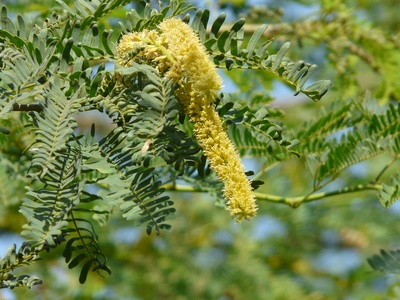
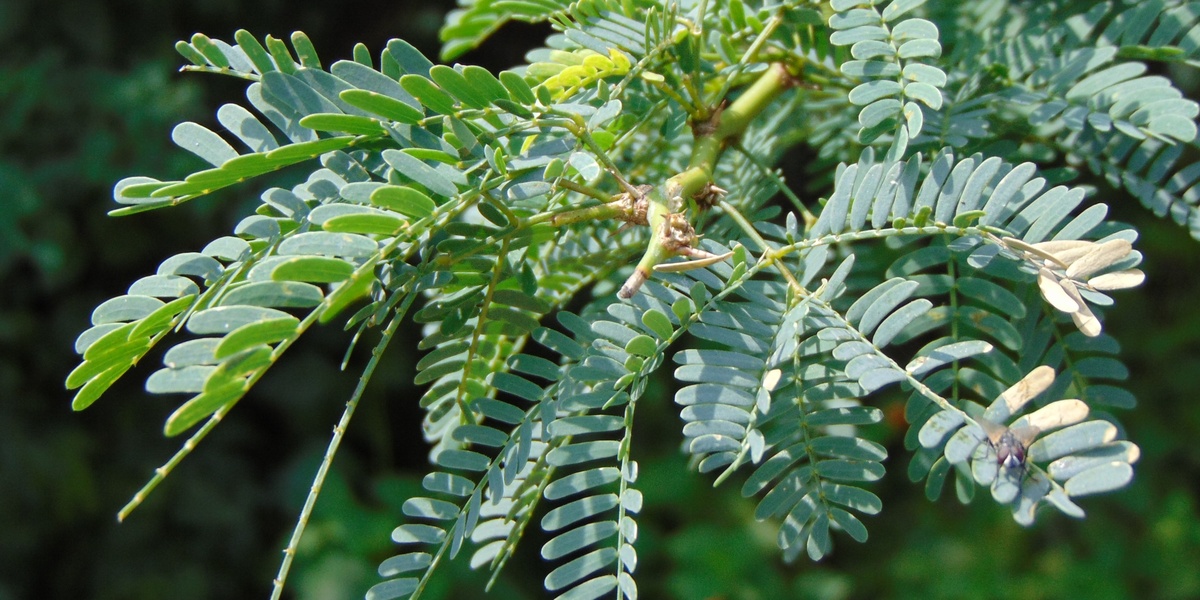
Prosopis
Introduced in southern and central Niger, Prosopis forms dense thickets that displace native pasture, reduce grazing, and cause thorn injuries. It alters soil and water access; communities use clearing, charcoal harvesting and targeted removal, while eradication remains difficult and costly.
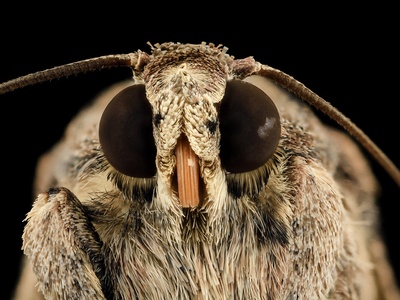
Fall armyworm
First detected in West Africa and now established across Niger, fall armyworm attacks maize, sorghum and millet, causing severe yield losses. Farmers use insecticides, pheromone traps and integrated pest management; outbreaks continue to threaten food security in vulnerable regions.
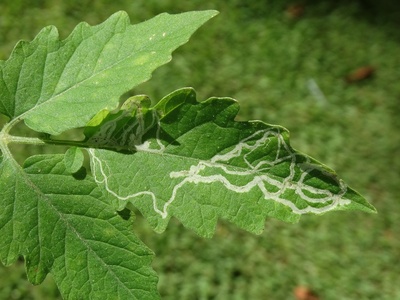
Tomato leafminer
Tuta absoluta infests tomato crops and has been reported in Niger’s irrigated fields, causing heavy damage to fruit and reducing incomes. Control relies on rapid detection, insecticides, pheromone trapping and cultural practices; smallholder farmers face ongoing management challenges.
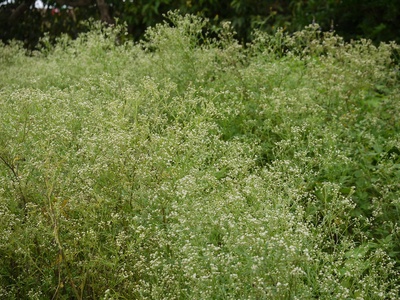
Parthenium weed
Parthenium weed has spread in parts of Niger, invading fallow land and roadsides, reducing pasture quality and causing allergic reactions in people and livestock. Management includes manual removal, herbicides and tested biological controls, but containment is uneven.
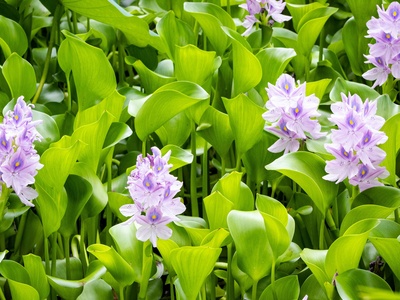
Water hyacinth
Water hyacinth colonizes slow-flowing reaches of the Niger River and seasonal wetlands in Niger, clogging waterways, hurting fisheries and livestock watering. Local removal and mechanical clearing are used; biocontrol and coordinated river management are recommended but capacity is limited.

Black rat
Black rats are widespread in urban and agricultural areas of Niger, causing post-harvest grain losses and spreading disease. Management focuses on improved storage, sanitation, trapping and rodenticides, though resources and extension support remain limited in many communities.
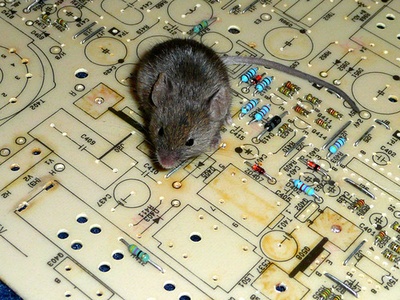
House mouse
House mice thrive in homes, granaries and markets across Niger, reducing food stores and contaminating supplies. Control mirrors rodent management practices—sealing, sanitation, traps and poisons—but smallholders often lack means for sustained control, causing recurring losses.