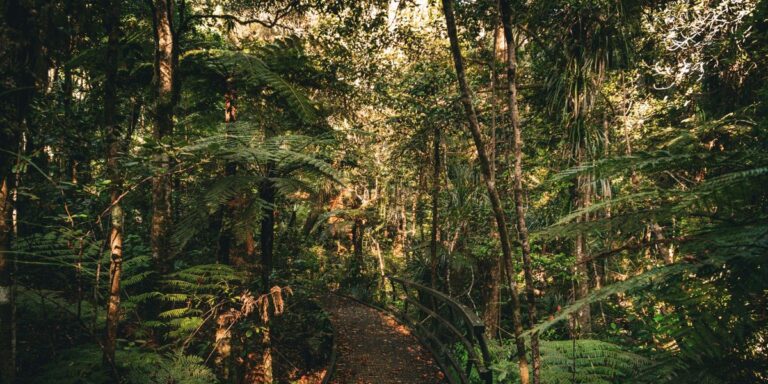
New Zealand has roughly 2,400 native vascular plants, and about 80 percent of them grow nowhere else on Earth. That figure is the short answer to what makes the flora…
Characteristics of Omnivores: How They Eat and Why It Works
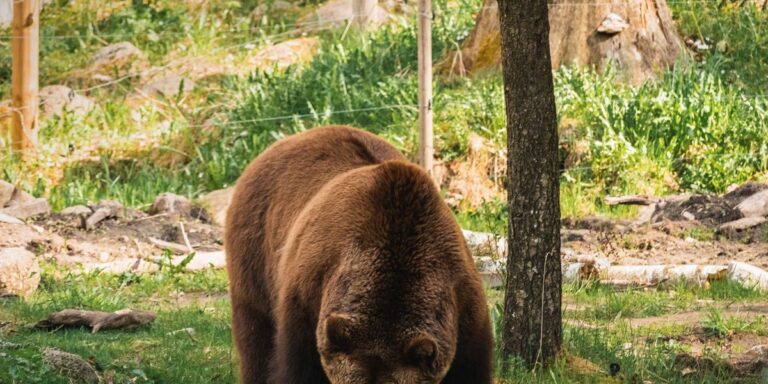
An omnivore is an animal that regularly eats both plants and other animals. That’s the definition. The characteristics below explain how omnivores pull it off, and why being a generalist…
15 Facts About Ocean Food Chains
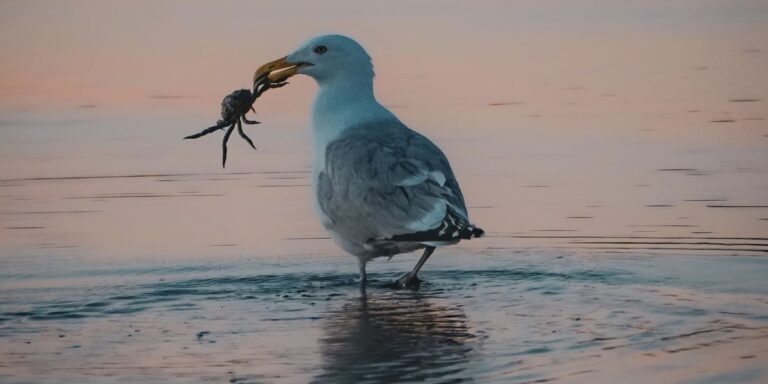
An ocean food chain is the path energy takes from sunlight to a top predator: tiny algae make food from light, small animals eat the algae, bigger animals eat the…
Most Resilient Plants: 12 That Survive Neglect
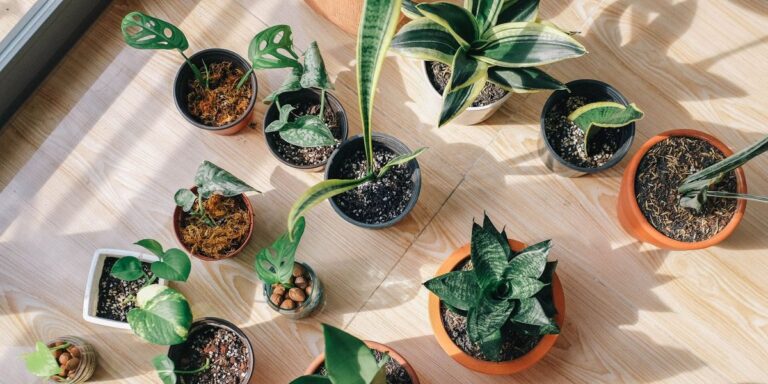
TLDR The most common killer of “unkillable” plants isn’t neglect. It’s too much water. Test yourself with our plant identification quiz: 10 photos, four choices each, on Easy, Medium or…
Four-Legged Insects: Real Bugs That Walk on Four Legs
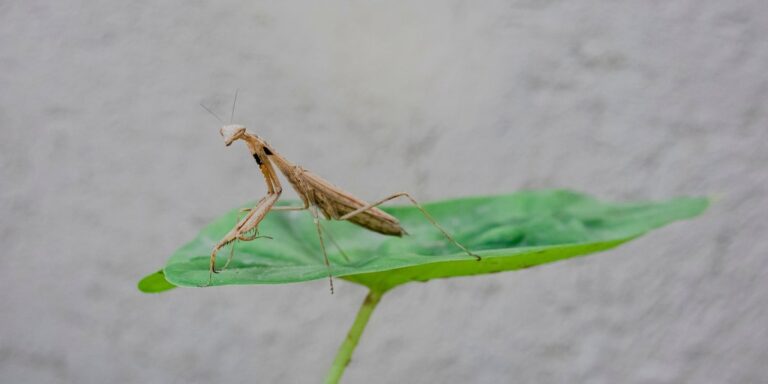
Contents TLDR No insect has four legs. Every adult insect has six, in three pairs. But several walk or stand on only four, because the other two have a different…
10 Child-Friendly Dog Breeds and Who Each One Suits
TLDR No breed is safe on its own. Temperament varies within every breed, and the adult in the room matters more than the dog’s pedigree. Table of Contents How we…
Plants of the Netherlands: A Habitat-by-Habitat Guide
Table of contents The plants of the Netherlands are shaped by one fact: almost nothing here is far from water, and a large part of the country was water not…
Cyprus’ Native Plants: A Field Guide by Habitat
Cyprus has roughly 1,650 native plant species and subspecies, and about 142 of them grow nowhere else on Earth. That’s a lot of endemism for an island of 9,251 square…
Fish of Haiti: A Field Guide by Habitat
Haiti has roughly 1,700 kilometers of coastline wrapped around the western third of Hispaniola, and almost none of the writing about its fish is meant for normal people. The top…