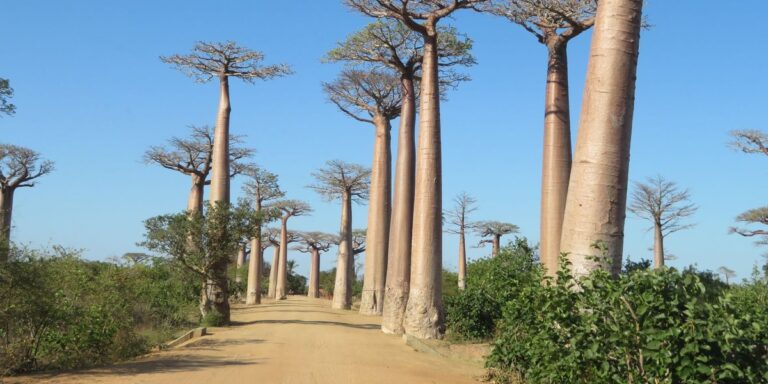
Drive south from Saint-Louis and the vegetation tells you where you are before the road signs do. Thorny acacia and scrub give way to baobab country, then to oil palms…
Canada’s Native Plants: A Region-by-Region Guide
Canada’s native plants number somewhere between 3,300 and 5,300 species, depending on who is counting and what they count. Nobody needs all of them. What you need is the dozen…
Fruits of Wales: Heritage Apples, Wild Berries & More
Contents The apple came first Ask what the fruits of Wales are and the honest answer starts with one tree. Apples have grown here for roughly a thousand years, and…
Trees of the Dominican Republic: 16 Species to Know
Quick Answer Table of Contents The trees of the Dominican Republic cover more ground than the country’s size suggests. Lake Enriquillo sits below sea level and is ringed by thorny…
Plants of Colombia: 18 Iconic Species and Where to See Them
Contents Colombia packs more plant life into its borders than almost any country on Earth, and it does it in a space smaller than Texas and California combined. Three branches…
Mangroves vs Swamp Trees: What Actually Sets Them Apart
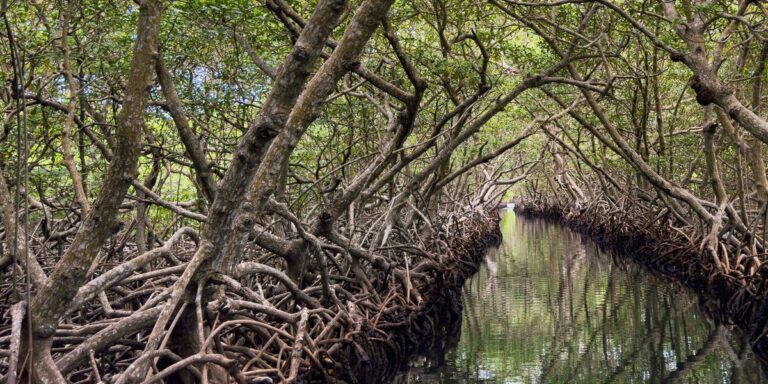
Mangroves and swamp trees aren’t two competing categories. “Mangrove” is a group of salt-tolerant tree species. “Swamp” is a type of wetland dominated by woody plants. A mangrove forest is…
Flowers of Tonga: Heilala, Garlands and Where to See Them
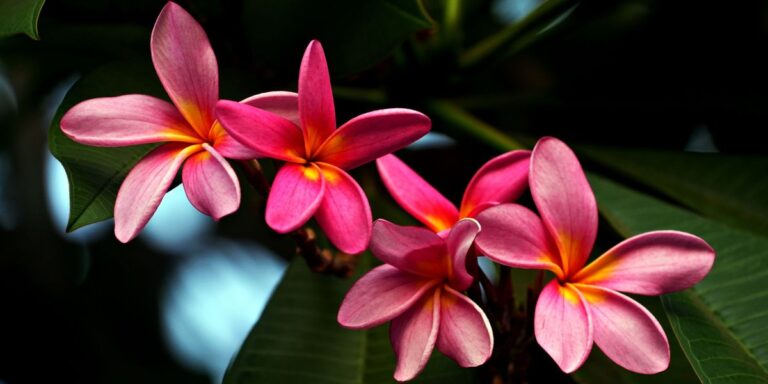
Contents The national flower of Tonga is the heilala, and it is a tree flower, not a garden showpiece. It belongs to Garcinia sessilis, a relative of the mangosteen, and…
Vascular vs Non-Vascular Plants: How to Tell Them Apart
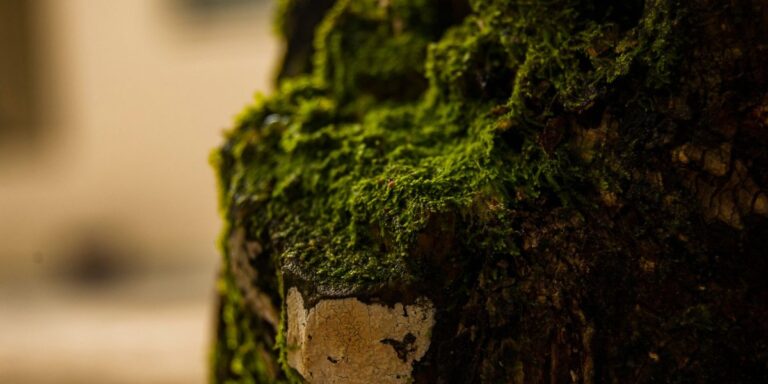
Vascular plants have xylem and phloem, internal tubes that move water and sugar around the plant. Non-vascular plants don’t, so they stay small and live where water is always close….
Florida Swamp Trees: 12 Species and How to Spot Them
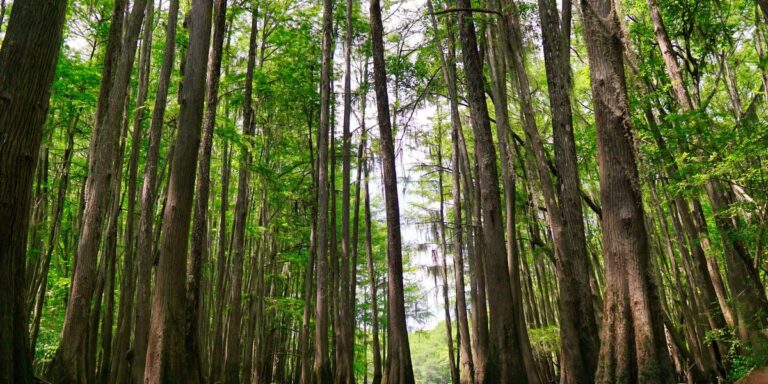
Walk into any Florida swamp and the first tree you notice is almost always a cypress. It’s also the one most visitors assume is the only tree there. It isn’t….