“Famous” means two things in Egypt. Some animals are famous because ancient Egyptians turned them into gods, hieroglyphs and mummies. Others are famous because they survive in Egypt’s deserts, wetlands and reefs today. A few do both, and a few are famous in art but no longer live in the country at all.
This guide covers 18 famous animals of Egypt, nine from each camp. Every entry follows the same pattern: what it is, where you can see it, and why it matters.
Contents
- Famous animals of Egypt in ancient times
- Famous animals of Egypt today
- Quick reference table
- Where to see them
- From sacred symbol to survivor
Famous animals of Egypt in ancient times
Ancient Egyptians didn’t worship animals as animals. They saw a species as a vessel for a particular god’s traits, then protected and mummified it accordingly. National Geographic’s feature on Egyptian animal worship covers how far that went: cats, cows and crocodiles all got ritual burial.
1. Domestic cat
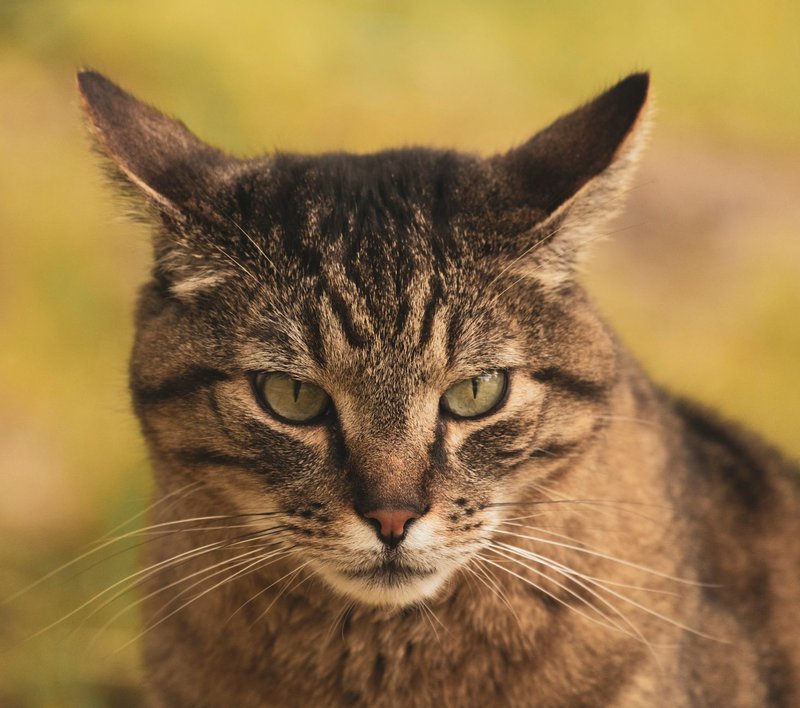
What it is: Felis catus, a small domestic cat, descended from the African wildcat. Where to see it: Everywhere in Cairo, and in mummy form at the Bubasteion catacomb in Saqqara. Why it’s famous: Cats were linked to Bastet, goddess of home and protection, and killing one could carry a death sentence. Cemeteries hold hundreds of thousands of cat mummies.
One correction: the Egyptian Mau, the spotted pedigree cat, is a domestic breed. It isn’t a wild animal, though it belongs to a wider group of exotic cat breeds that are bred to look wild.
2. Nile crocodile
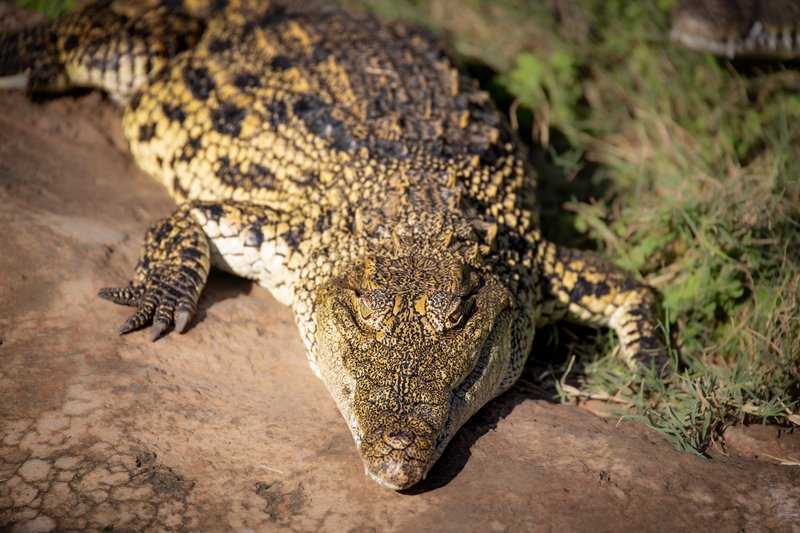
What it is: Crocodylus niloticus, Africa’s largest freshwater predator, reaching 5 meters or more. Where to see it: Lake Nasser, and as mummies at the Kom Ombo temple. Why it’s famous: Sobek, the crocodile-headed god, was the lord of the Nile’s fertility and danger. The city of Crocodilopolis in the Faiyum kept sacred crocodiles in a temple lake, decorated with gold earrings.
3. Sacred ibis
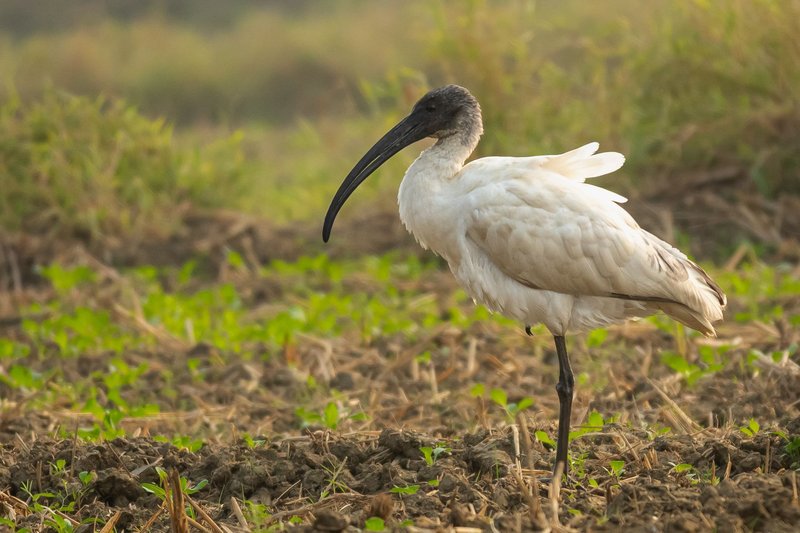
What it is: Threskiornis aethiopicus, a white wading bird with a black, bald head and a curved bill. Where to see it: Not in wild Egypt. It stopped breeding there in the 19th century. Mummified ibises fill the catacombs at Saqqara and Tuna el-Gebel. Why it’s famous: It stood for Thoth, god of writing and wisdom. Priests mummified ibises by the million, and the offerings were sold to pilgrims like candles.
4. African golden wolf (the “jackal” of Anubis)
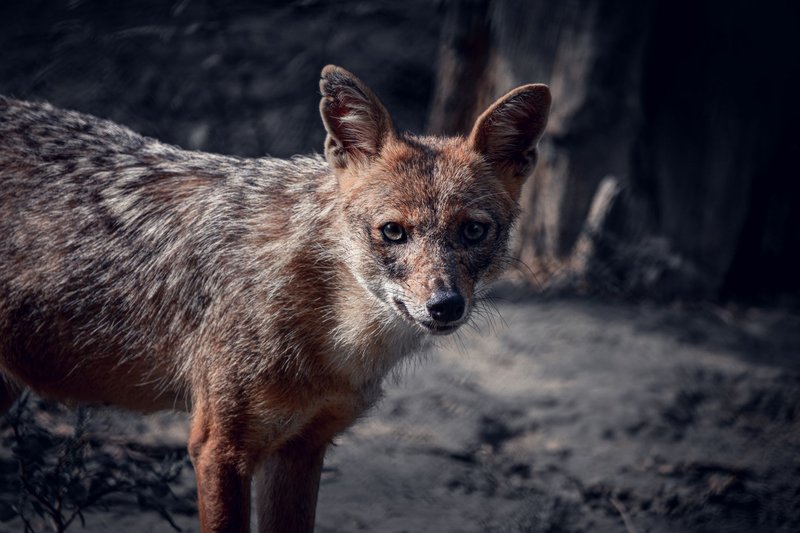
What it is: Canis lupaster, a lean, long-legged canid. It was long labeled the golden jackal until genetic work showed Africa’s population is a separate species. Where to see it: Desert edges and farmland at dusk, and the Anubis catacombs at Saqqara. Why it’s famous: Anubis, the black-headed god of embalming, guided the dead. Jackals prowled cemeteries, so the Egyptians gave the scavenger a job as guardian.
5. Falcon
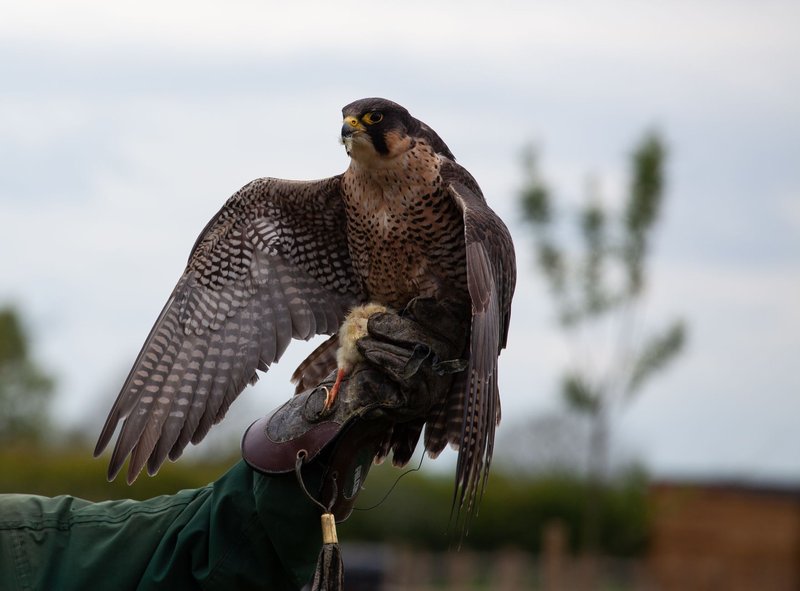
What it is: Several falcon species, likely including the peregrine and the lanner, were behind the imagery. Where to see it: Wetlands, cliffs and temple ruins along the Nile. Look for the carved Horus falcon at Edfu Temple. Why it’s famous: Horus, the sky god, was the divine model for the pharaoh. A falcon with a sun disk on its head became one of the most reproduced symbols in Egyptian art.
6. Egyptian cobra
What it is: Naja haje, a venomous snake up to 2 meters long that rears and spreads a hood. Where to see it: Farmland and desert scrub, rarely and at a distance. You’ll see it everywhere in carvings. Why it’s famous: The rearing cobra, or uraeus, sat on every pharaoh’s crown as the goddess Wadjet, ready to spit fire at his enemies. Legend says Cleopatra used one to end her life.
7. Sacred scarab beetle
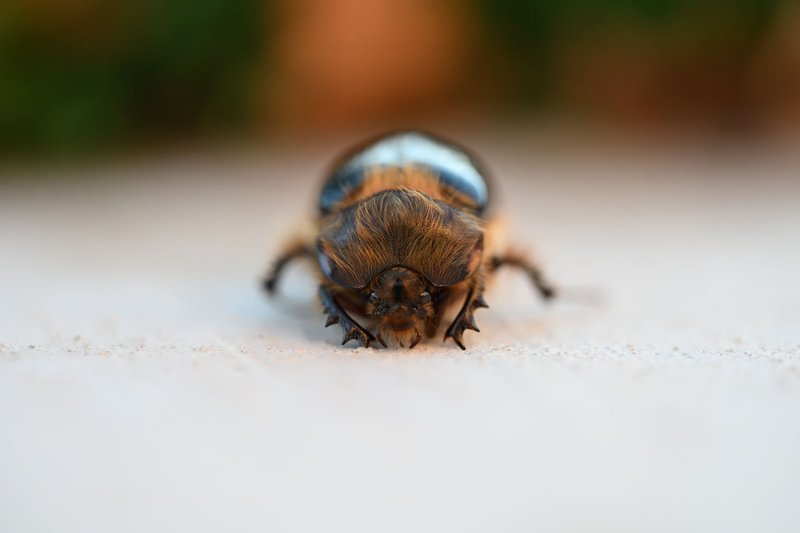
What it is: Scarabaeus sacer, a dung beetle about 3 cm long that rolls dung into a ball. Where to see it: Sandy ground in Egypt’s north, and in jewelry cases throughout Cairo’s Egyptian Museum. Why it’s famous: Watching a beetle push a ball over the ground, Egyptians saw the sun god Khepri rolling the sun across the sky. Scarab amulets were buried with the dead for rebirth.
8. Hamadryas baboon
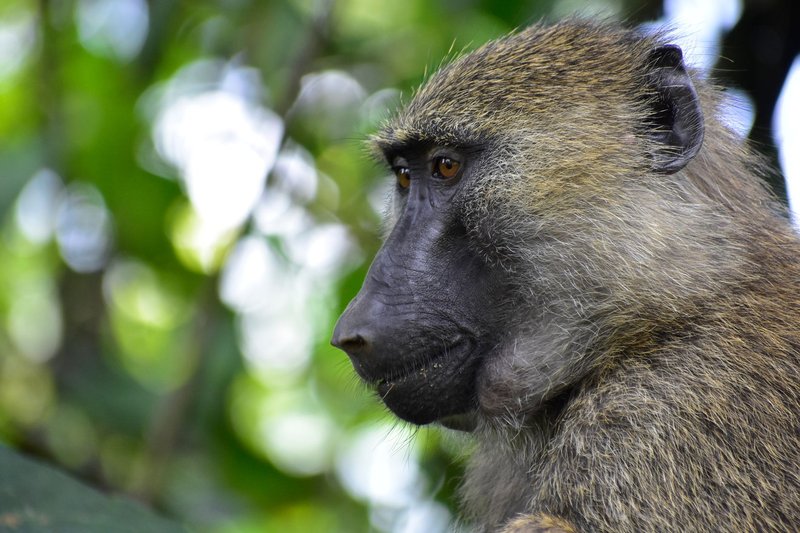
What it is: Papio hamadryas, a silver-maned baboon from the Horn of Africa and Arabia. Where to see it: Not in Egypt, where it isn’t native. It appears on temple walls and in statues, including the baboon figures at Abu Simbel’s facade. Why it’s famous: Baboons greeted the dawn by screeching and sitting upright facing the sun, so Egyptians tied them to Thoth. They were imported, probably from the land of Punt, and kept in temples.
9. Hippopotamus
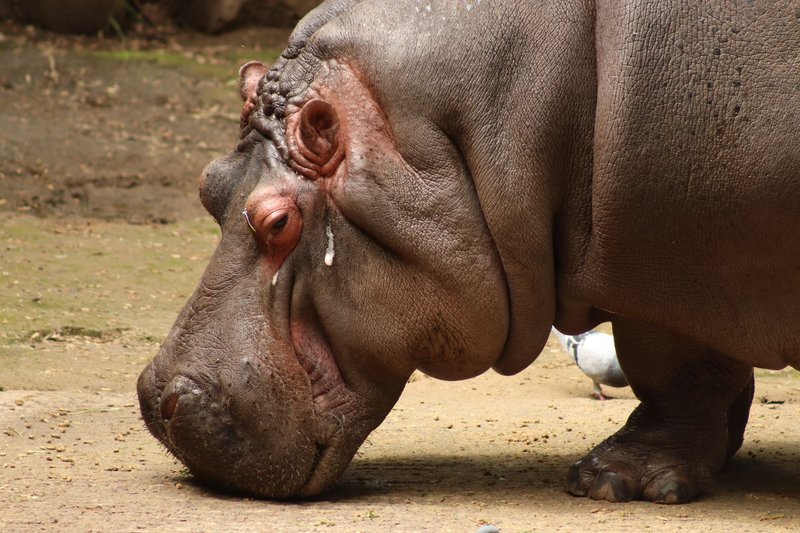
What it is: Hippopotamus amphibius, a 1.5-ton semi-aquatic grazer. Where to see it: Not in Egypt. Hippos vanished from the Egyptian Nile roughly two centuries ago, after hunting and habitat loss. Today they live farther south. Why it’s famous: Hippos were frightening and sacred at once. Taweret, a pregnant hippo goddess, protected women in labor, while a hippo could also stand for chaos and the god Seth. Many Egyptian tombs include hippo-hunting scenes.
Famous animals of Egypt today
Egypt is about 94 percent desert, and its wildlife shows it. The living animals that draw attention are mostly small, nocturnal and built to avoid water. Several are threatened, which you can verify on the IUCN Red List.
10. Fennec fox
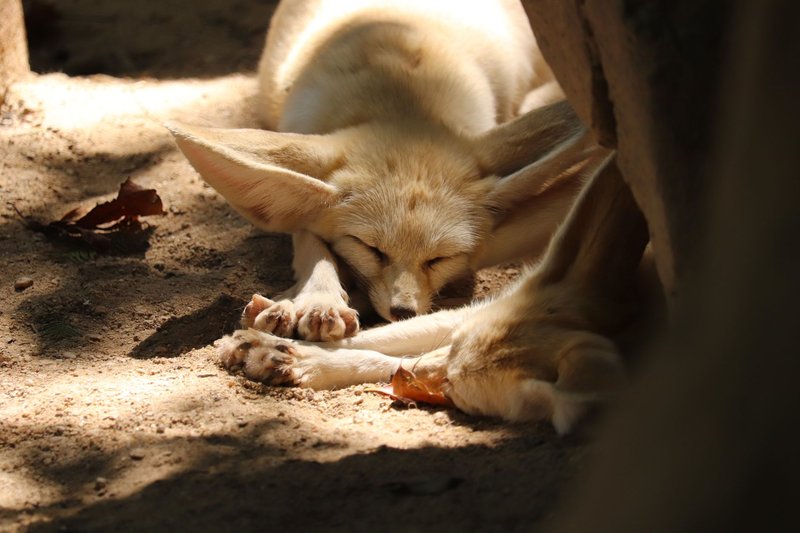
What it is: Vulpes zerda, the world’s smallest fox, with ears up to 15 cm tall that dump body heat. Where to see it: Sand dunes in the Western Desert, including near Siwa, at dusk. Why it’s famous: Its ears and size make it the poster animal of Egypt’s desert, and it lives without drinking water if its food is moist enough.
11. Dromedary camel
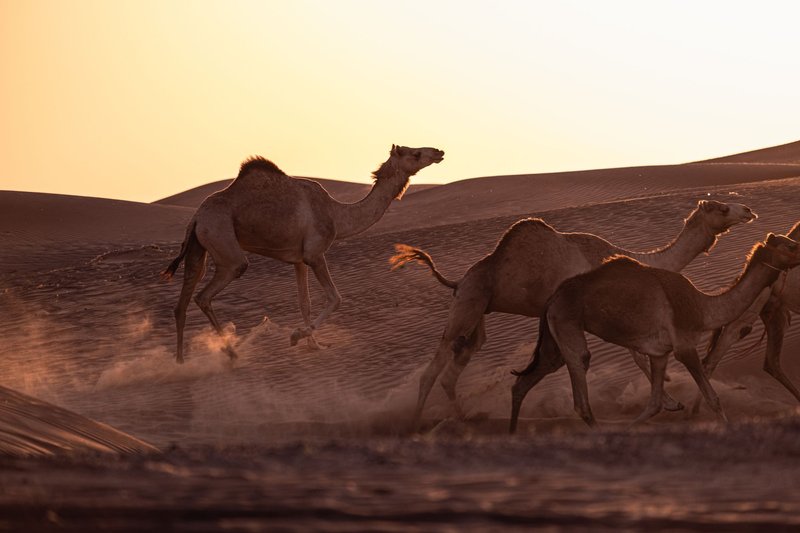
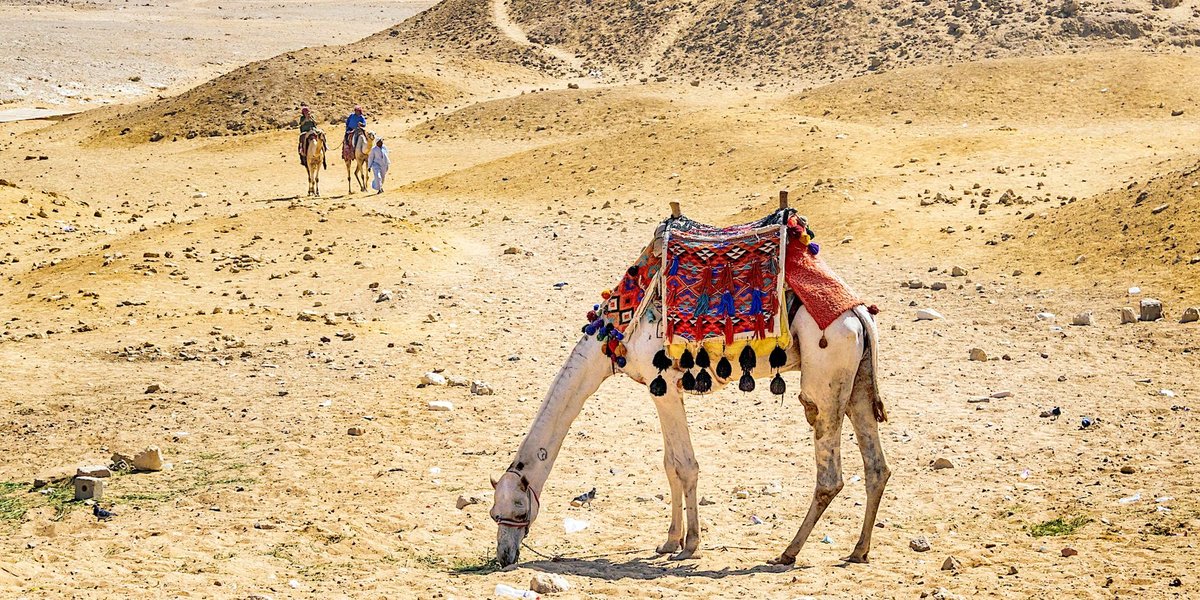
What it is: Camelus dromedarius, the one-humped camel, which stores fat and not water in the hump. Where to see it: The Giza plateau, Sinai, and the Birqash camel market near Cairo. Why it’s famous: Camels carried the trade routes and are now the most photographed animal at the pyramids. They arrived late in Egyptian history, after the age of the pharaohs’ great monuments.
12. Dorcas gazelle
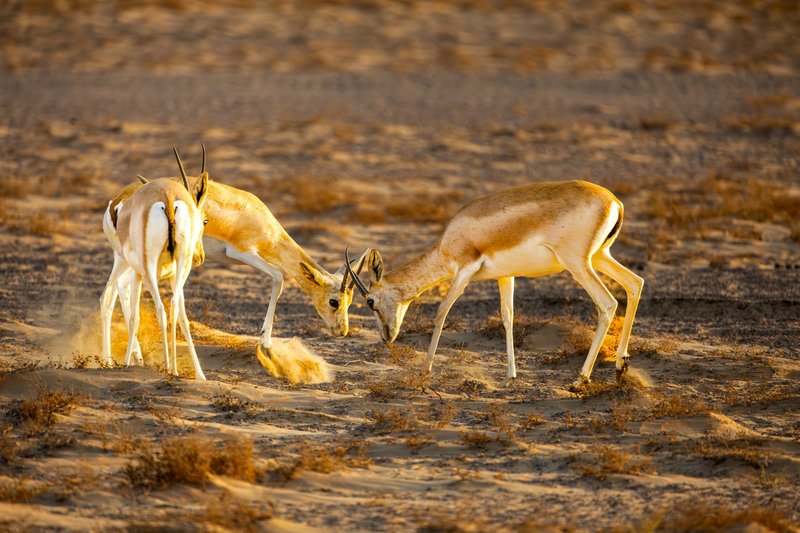
What it is: Gazella dorcas, a small, sandy gazelle that can run 80 km/h. Where to see it: Wadi El Rayan, Sinai and the Eastern Desert. Why it’s famous: Gazelles show up in tomb paintings as offerings and hunting prey, and they remain among Egypt’s most recognizable desert animals. The species is classed as Vulnerable.
13. Striped hyena
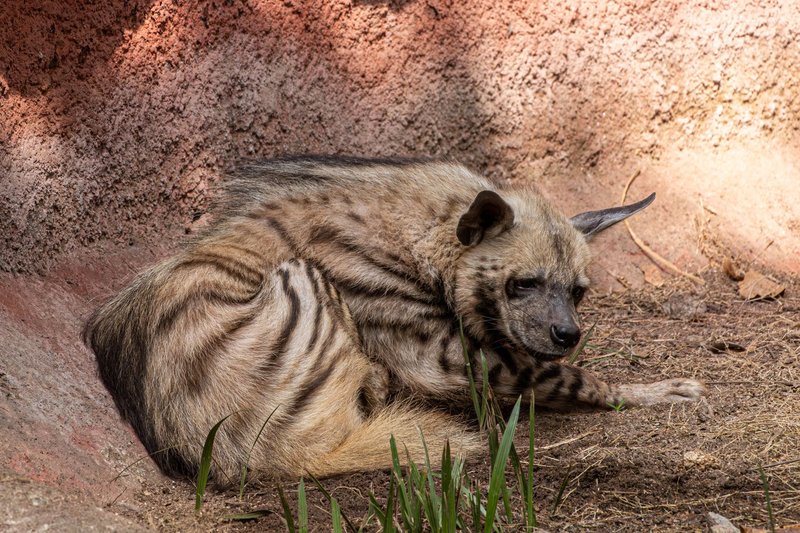
What it is: Hyaena hyaena, a shaggy, nocturnal scavenger with vertical stripes and a crest of long hair. Where to see it: Hard to find. It’s rare and mostly nocturnal, found in rocky desert and mountain areas, including parts of Sinai. Why it’s famous: Ancient Egyptians hunted it and sometimes kept it in captivity. Today it’s one of the few large carnivores left in the country, and it’s listed as Near Threatened.
14. Egyptian vulture
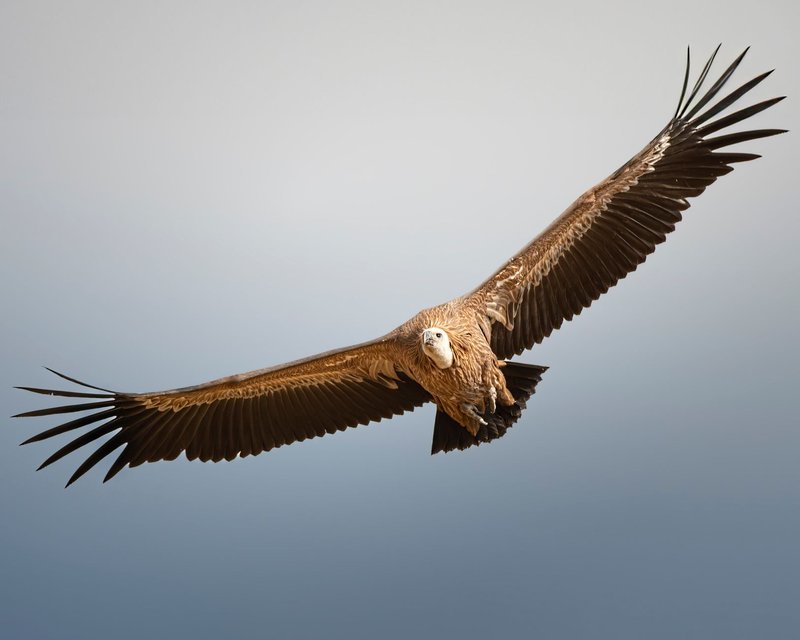
What it is: Neophron percnopterus, a small white vulture with a yellow face. Where to see it: Cliffs and rubbish dumps, especially around the Red Sea coast and the Nile valley. Why it’s famous: It’s nicknamed “pharaoh’s chicken” and its image is the hieroglyph for the sound “a.” It also uses stones to crack open eggs, one of the few birds to do so. Its global population has declined sharply, and it’s now listed as Endangered.
15. Nubian ibex
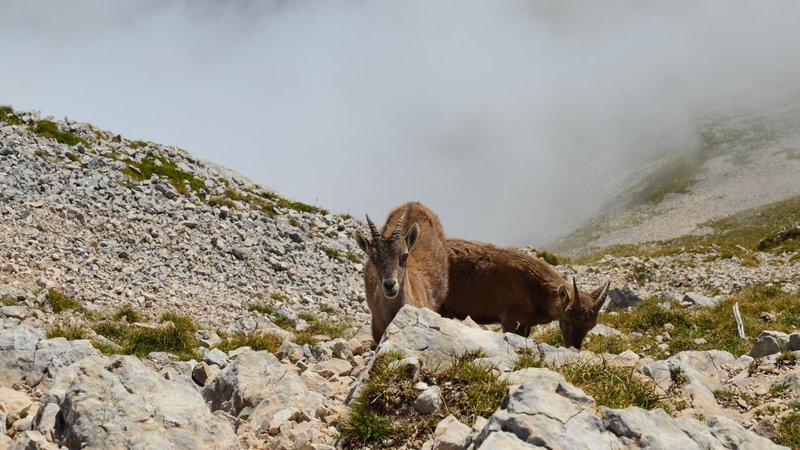
What it is: Capra nubiana, a mountain goat with scimitar horns that can pass a meter in males. Where to see it: The cliffs of South Sinai, around St Katherine Protectorate. Why it’s famous: It’s one of the few large mammals clinging to Egypt’s granite mountains, and it’s often visible at sunrise or sunset near water. The IUCN lists it as Vulnerable.
16. Egyptian tortoise
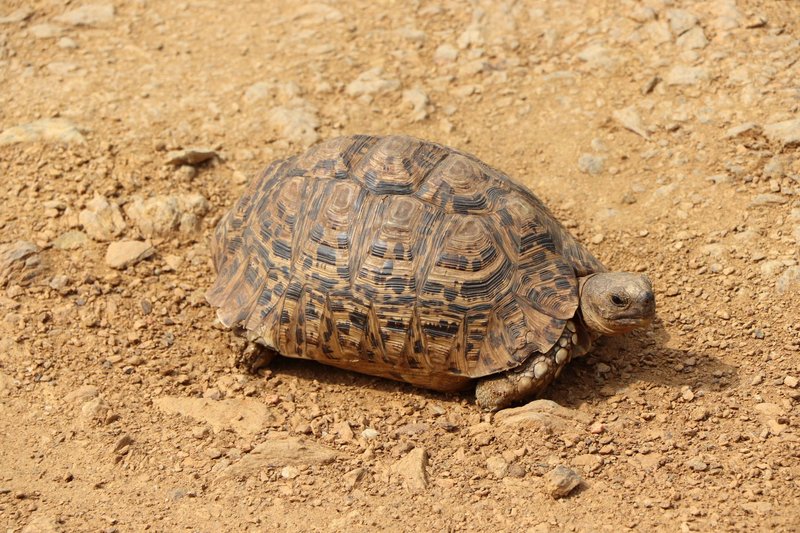
What it is: Testudo kleinmanni, a palm-sized tortoise up to about 12 cm, one of the smallest in the world. Where to see it: Barely anywhere. A few survive along the Mediterranean coast near the Libyan border. Why it’s famous: It’s among the world’s most endangered tortoises, classed as Critically Endangered, because of habitat loss and the illegal pet trade.
17. Dugong
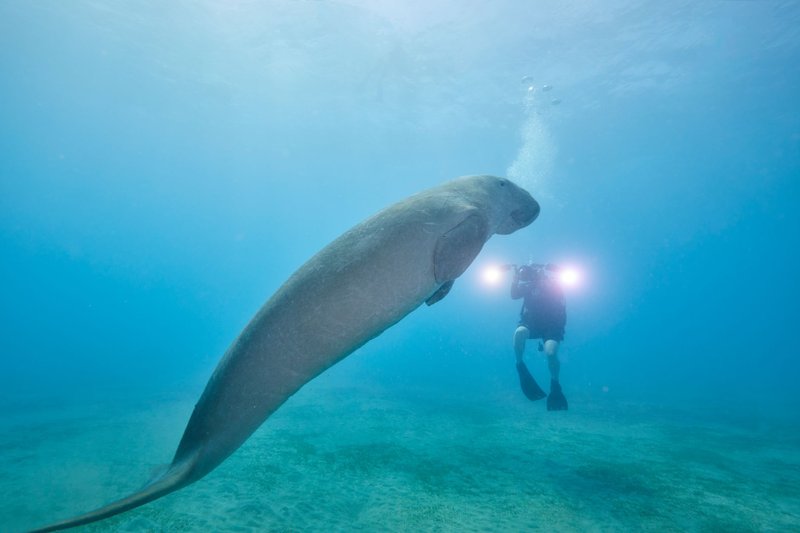
What it is: Dugong dugon, a marine mammal related to manatees that grazes seagrass. Where to see it: Marsa Alam on the Red Sea, including Abu Dabbab Bay. Why it’s famous: Sailors’ accounts of dugongs likely fed mermaid stories. Egypt’s Red Sea population is small, and dugongs are listed as Vulnerable globally.
18. Egyptian mongoose
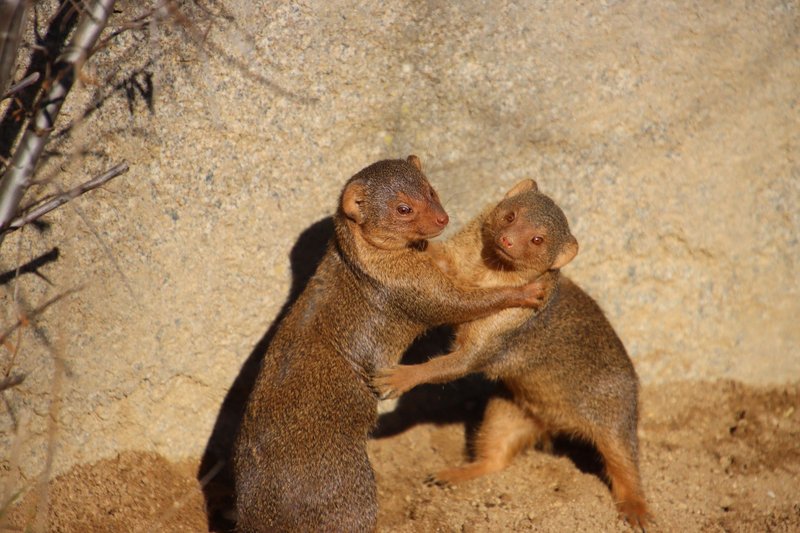
What it is: Herpestes ichneumon, a long, grizzled mongoose about the size of a house cat. Where to see it: Nile Delta wetlands, farmland edges and the Faiyum. Why it’s famous: Egyptians kept and revered it, and mummified mongooses are known. It also hunts cobras and eats eggs, including crocodile eggs, which explains the religious interest.
Quick reference table
| Animal | Ancient role or deity | Modern status in Egypt |
|---|---|---|
| Domestic cat | Bastet | Common, domesticated |
| Nile crocodile | Sobek | Present, mainly Lake Nasser |
| Sacred ibis | Thoth | No longer breeds wild |
| African golden wolf | Anubis | Present, desert edges |
| Falcon | Horus | Present, Nile and desert |
| Egyptian cobra | Wadjet (uraeus) | Present, shy |
| Scarab beetle | Khepri | Present, sandy ground |
| Hamadryas baboon | Thoth | Not native |
| Hippopotamus | Taweret, Seth | Gone from Egypt |
| Fennec fox | None known | Present, deserts |
| Dromedary camel | None | Domestic, widespread |
| Dorcas gazelle | Offering and prey | Vulnerable |
| Striped hyena | Hunted | Near Threatened |
| Egyptian vulture | Nekhbet-related imagery | Endangered |
| Nubian ibex | Hunted | Vulnerable |
| Egyptian tortoise | None | Critically Endangered |
| Dugong | None | Vulnerable |
| Egyptian mongoose | Revered | Present, Nile Delta |
Where to see them
Egypt’s protected areas let you match animals to actual places:
- Ras Mohammed National Park (Sinai): Coral reefs and Red Sea fish, plus desert birds on land.
- Wadi El Rayan (Faiyum): Gazelles, desert foxes, wetlands and birds. Nearby Wadi Al-Hitan is a UNESCO site with fossil whales.
- St Katherine Protectorate (Sinai): Ibex and desert birds of prey.
- Marsa Alam (Red Sea): Dugongs and sea turtles.
- Siwa and the White Desert: Fennec foxes at dusk.
- Lake Nasser and Kom Ombo: Live Nile crocodiles, and the ancient mummified ones.
- Saqqara: Mummified cats, ibises and jackals.
From sacred symbol to survivor
Ancient Egyptian animals and their gods tell you what the ancient Egyptians feared, relied on and admired. Crocodiles and cobras were dangerous, so they became gods. Hippos and baboons arrived and left, but stayed in the art.
The famous animals of Egypt today are the survivors. Many carry the same traits that made them sacred: the cobra’s menace, the vulture’s patience, the fennec’s cleverness. The difference is that this time the animals need the protection, not the other way around.