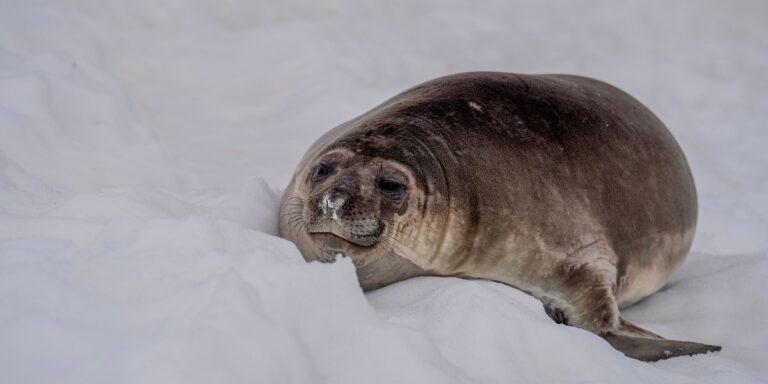
Table of Contents TLDR Ross seals eat mostly squid and fish, with smaller amounts of krill and other invertebrates. The best-known breakdown is about 47% squid, 34% fish and 19%…
12 Famous Animals of Sri Lanka and Where to See Them
TLDR Sri Lanka’s most famous animals are the Sri Lankan leopard, the Asian elephant, the sloth bear, the toque macaque and the blue whale. Seven more complete the list: the…
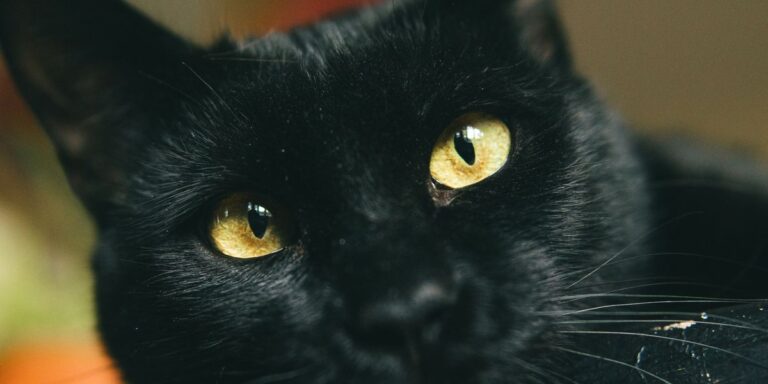
Black Cat Breeds With Yellow Eyes: What the Standards Say
Table of Contents TLDR The Bombay is the only breed whose standard calls for a solid black coat with gold to copper eyes. If you want that look on purpose,…
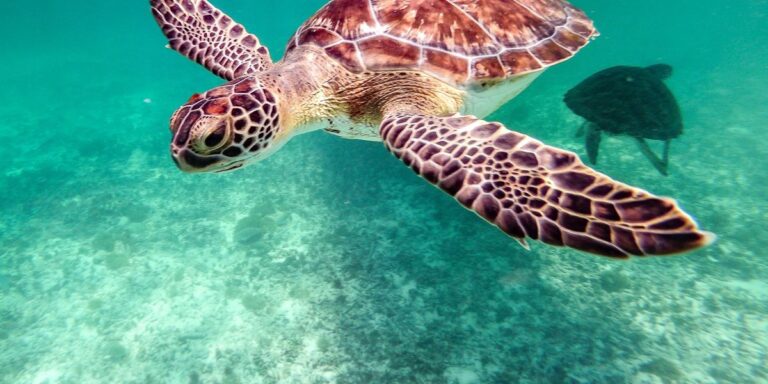
Sea Turtles vs Freshwater Turtles: What Sets Them Apart
Sea turtles live in the ocean, have paddle-shaped flippers and can’t pull their heads into their shells. Freshwater turtles live in ponds, rivers and lakes, have webbed feet with claws,…
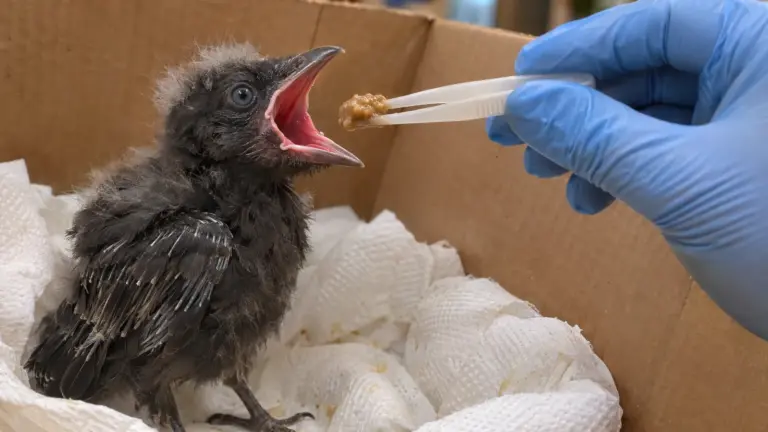
What to Feed a Baby Crow: Food Chart, Feeding Schedule and First Steps
Baby crows need a high-protein mash of soaked kitten kibble, egg and calcium, never bread, milk or water dripped into the beak. A safe and unsafe foods chart, the fledgling check, a schedule by age and a printable cheat sheet.
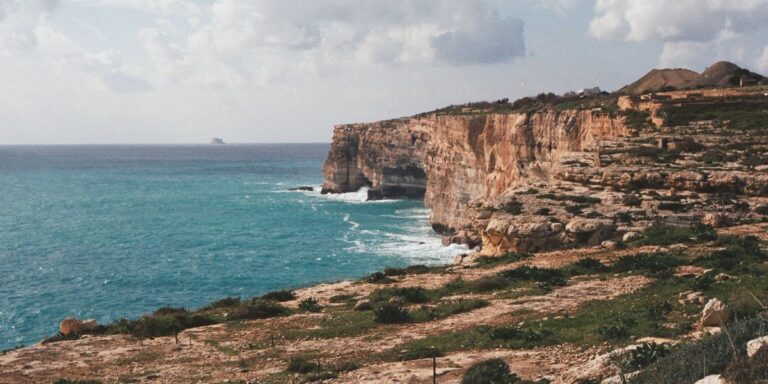
Dangerous Animals in Malta: What Can Actually Hurt You
TLDR Malta has no dangerous native land animals. No venomous snakes, no big predators, no spider that needs a hospital trip. The animals that actually hurt people are marine: jellyfish,…
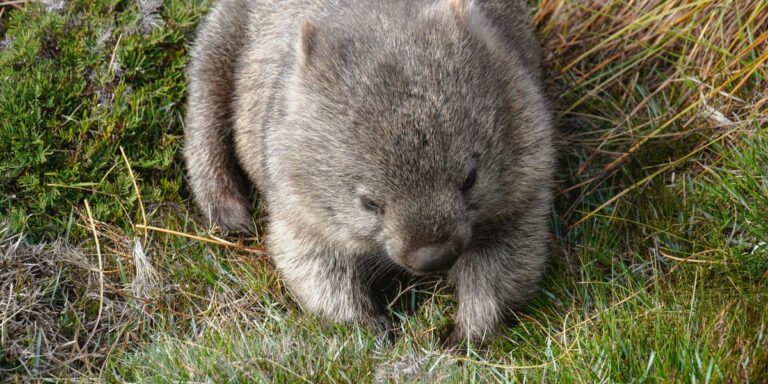
Characteristics of a Wombat: Built to Dig, Pooping Cubes
Contents TLDR A wombat is a stocky, burrowing marsupial from Australia that weighs 19 to 39 kg. Three species exist: the common wombat and two hairy-nosed wombats. The main characteristics…
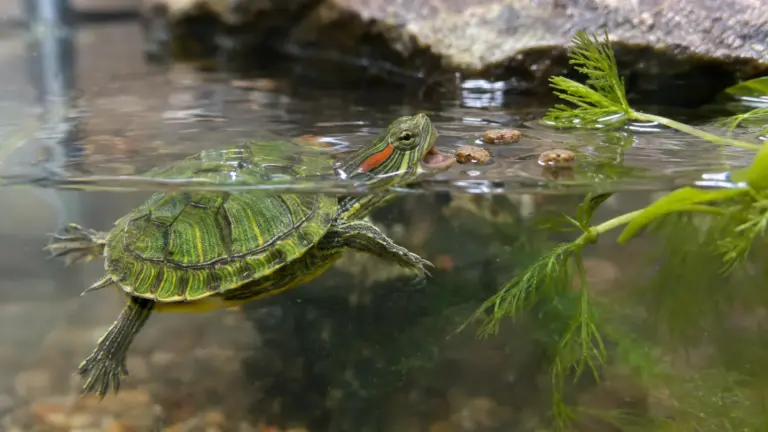
What to Feed a Baby Turtle: Food Chart, Schedule and Safe Foods
Baby water turtles eat daily, in warm water: small pellets, protein such as cut earthworms and bloodworms, and dark leafy greens. A safe and unsafe foods chart, box turtle notes, a schedule by age and a printable cheat sheet.
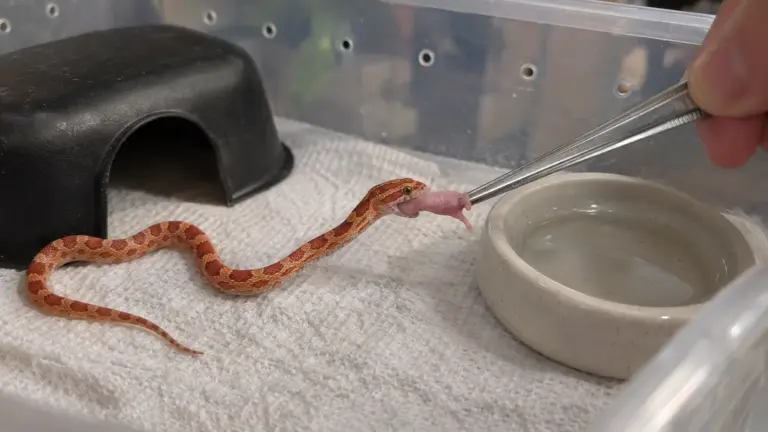
What to Feed a Baby Snake: Food Chart, Prey Size and Schedule
Most pet baby snakes eat one frozen-thawed pinky mouse every 5 to 7 days, sized no wider than the snake’s body, and never live or wild-caught mice. A safe and unsafe foods chart, species notes, a schedule by age and a printable cheat sheet.