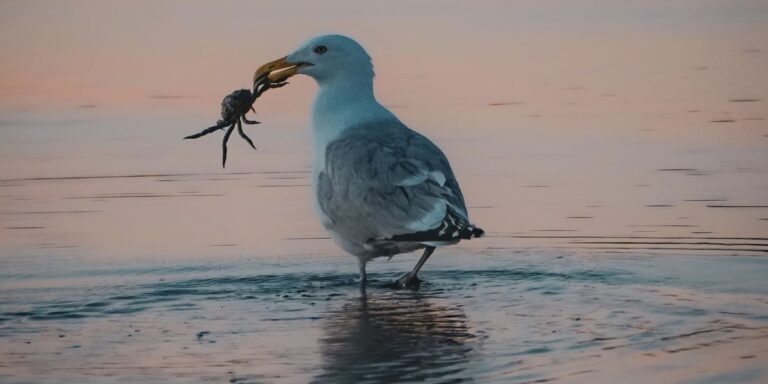
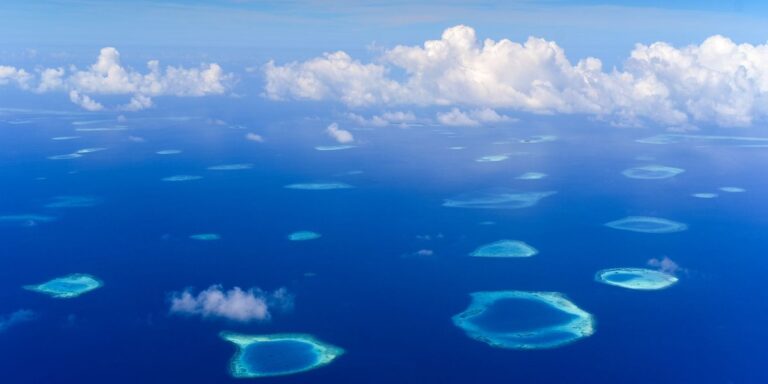
Table of Contents TLDR Why Kiribati’s wildlife is mostly birds and sea life Kiribati is 33 coral atolls and reef islands scattered across about 3.5 million square kilometers of Pacific…
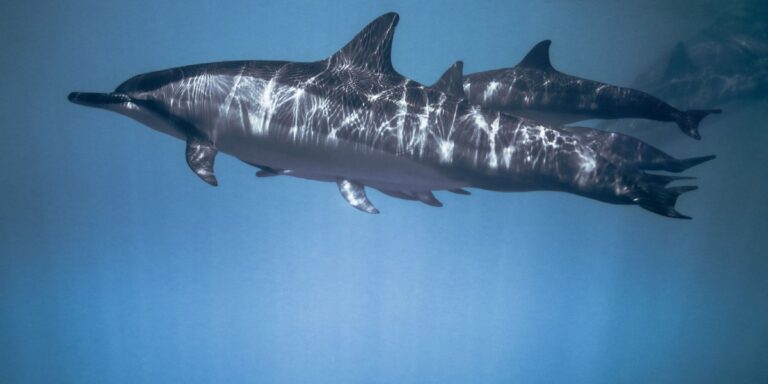
What Do Pantropical Spotted Dolphins Eat? Diet Breakdown
TLDR Pantropical spotted dolphins eat mostly small fish and squid that live in the deep scattering layer, a band of ocean life that rises toward the surface after dark. Lanternfish…
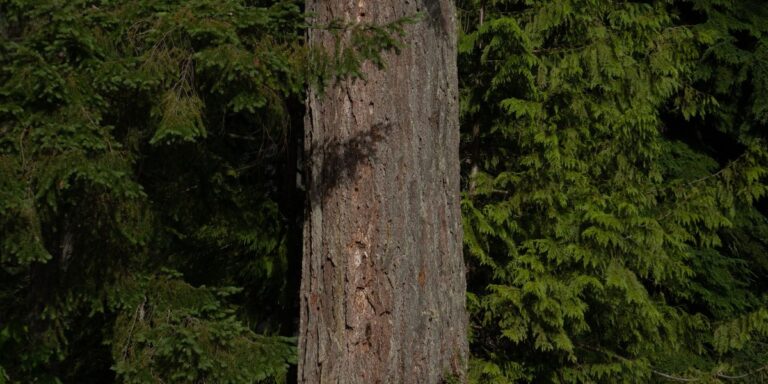
Congaree National Park Trees: Where to See the Giants
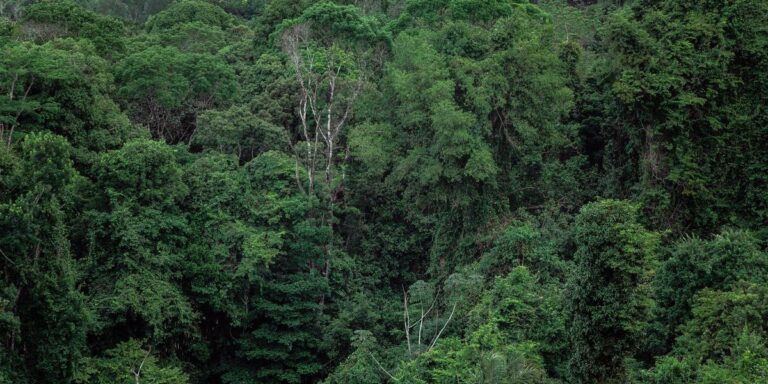
Congaree National Park protects the largest old-growth bottomland hardwood forest left in the United States, roughly 11,000 acres of it. It holds more than 25 champion trees and the tallest…
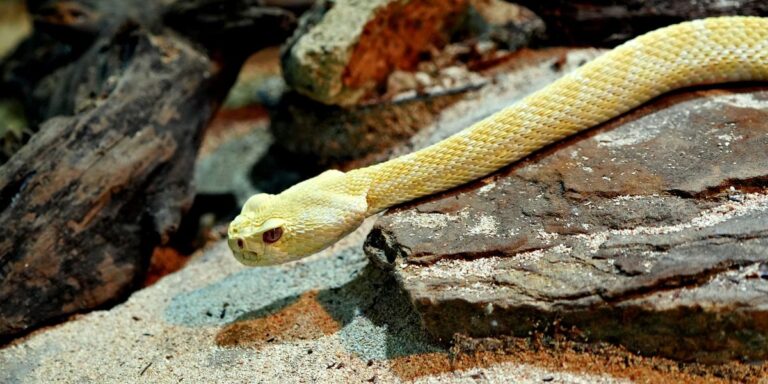
Dangerous Animals in Bahrain: What Actually Poses a Risk
Bahrain has no lions, no crocodile rivers and no bear country. The animals that can hurt you here are small, mostly nocturnal, and usually avoidable: a few desert vipers, two…
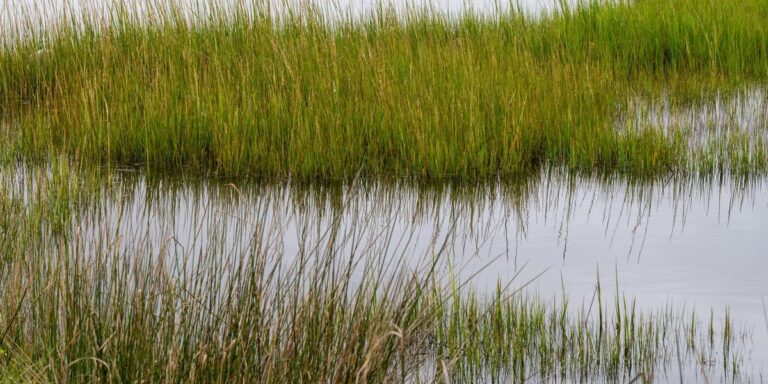
Wetland Omnivores: Animals That Eat Plants and Prey
Wetland omnivores are animals that eat both plants and other animals, and in a marsh or swamp they’re the ones doing the most switching. A sandhill crane digs up tubers…
15 Facts About Ocean Food Chains
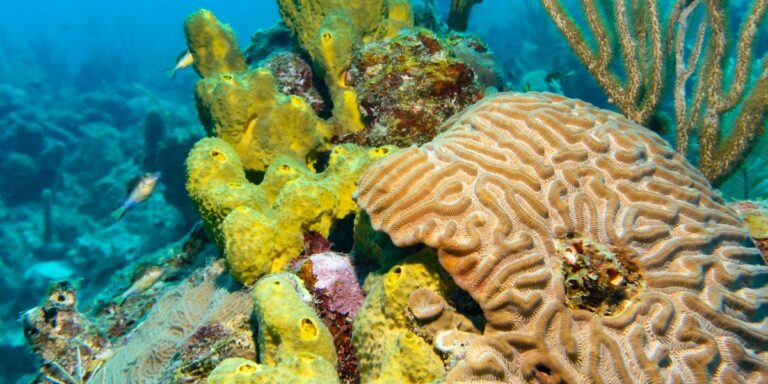
An ocean food chain is the path energy takes from sunlight to a top predator: tiny algae make food from light, small animals eat the algae, bigger animals eat the…
Fish of Haiti: A Field Guide by Habitat
Haiti has roughly 1,700 kilometers of coastline wrapped around the western third of Hispaniola, and almost none of the writing about its fish is meant for normal people. The top…
Trees of Guinea: 10 Species Worth Knowing
Which Guinea? A Quick Clarification Three countries carry the name: Guinea (capital Conakry), Guinea-Bissau, and Equatorial Guinea. There’s also the Guinea forest region, a belt of rainforest stretching along West…
Amphibians of Portugal: A Field Guide to Every Species
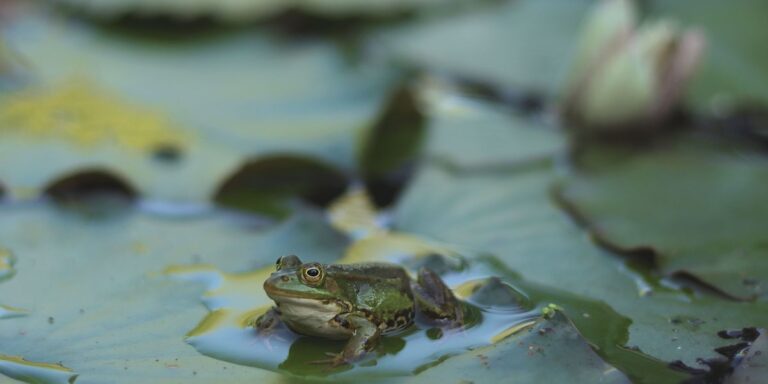
Table of Contents Quick answer Portugal has roughly 17 native amphibian species, and the exact tally shifts by one or so depending on how taxonomists split look-alike groups. Seven of…