Table of Contents The Amazon holds roughly one in ten of all known species on Earth, and a surprising share of them fit in your hand. This list covers 12…
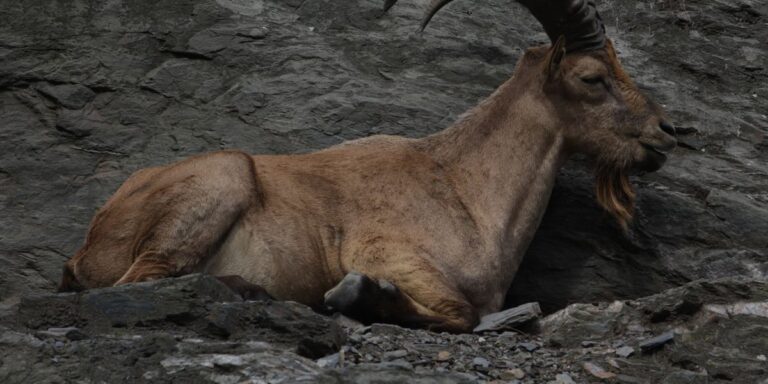
What Do Siberian Ibexes Eat? A Season-by-Season Diet Guide
TLDR Siberian ibexes are herbivores. In spring and summer they graze alpine grasses, sedges, and herbs. In winter they switch to twigs, needles, and tall dry herbs, and paw through…
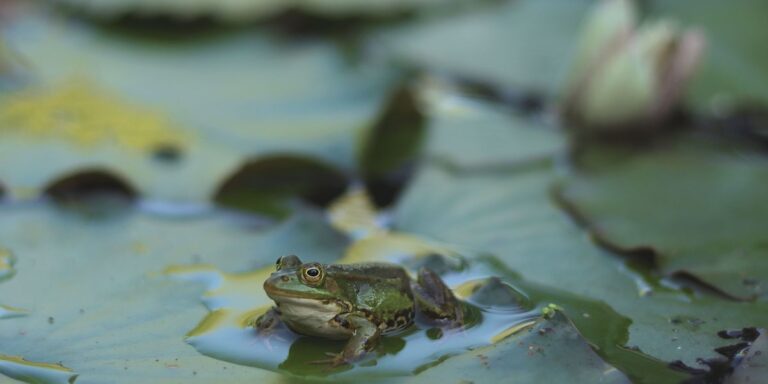
Amphibians of Portugal: A Field Guide to Every Species
Table of Contents Quick answer Portugal has roughly 17 native amphibian species, and the exact tally shifts by one or so depending on how taxonomists split look-alike groups. Seven of…
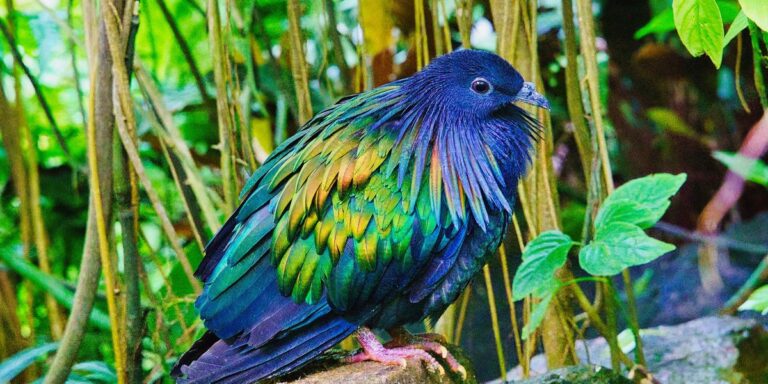
Animals of São Tomé and Príncipe: Endemic Species Guide
Two volcanic islands in the Gulf of Guinea have more animals found nowhere else than most countries ten times their size. The animals of São Tomé and Príncipe include some…
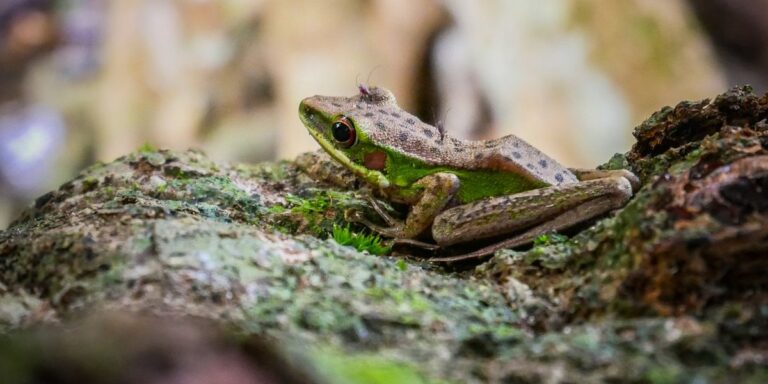
Amphibians of Barbados: The Only Two Frogs on the Island
TLDR Table of Contents Why Barbados has so few amphibians Most Caribbean islands have a respectable frog list. Barbados has two. Neighbors like Dominica or Trinidad have many more. The…
What Do Nyalas Eat? The Nyala Diet Explained
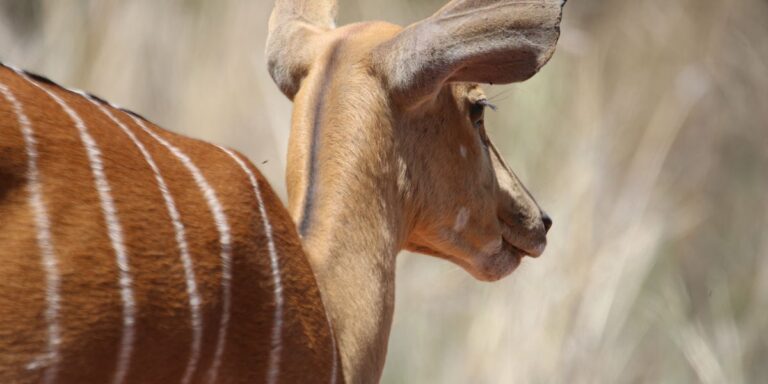
Table of Contents TLDR Nyalas are herbivores and mixed feeders: they browse and they graze. Most of what they eat is leaves, but the menu also includes fruits, seed pods,…
The Biggest Fish in the World, Ranked by Size
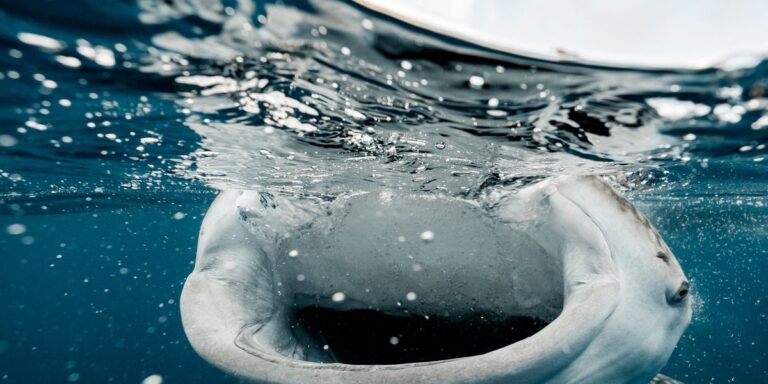
The biggest fish in the world is the whale shark, and it isn’t close. A fully grown whale shark can stretch past 40 feet and tip the scales at more…
Blue Amphibians: The Frogs and Salamanders That Are Real
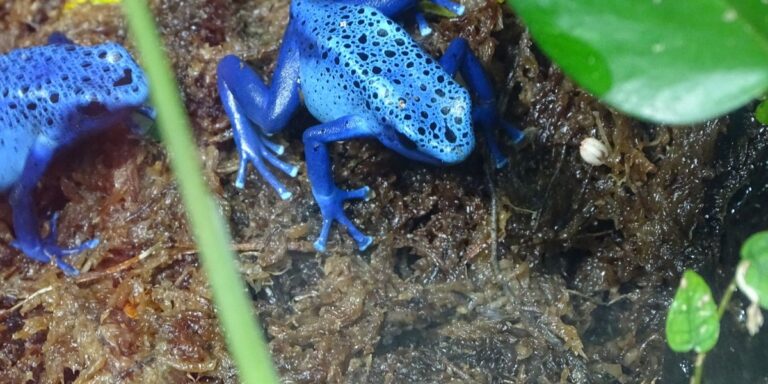
Ask a biologist how many amphibian species are truly blue and you’ll get a shrug, not a number. Blue is one of the rarest colors in the animal kingdom to…
Amphibians of Trinidad and Tobago: A Field Guide
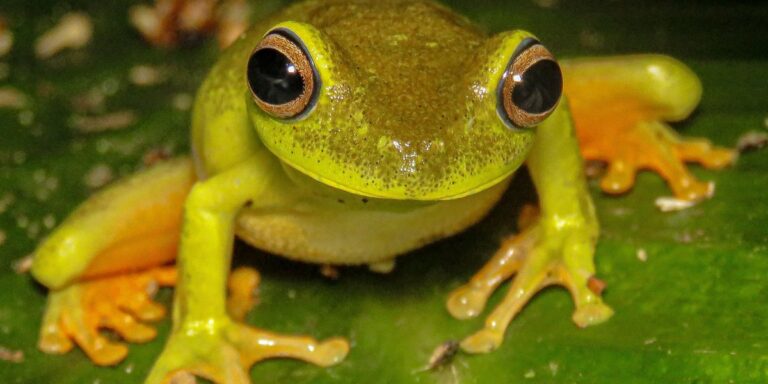
TLDR Trinidad and Tobago host 35 confirmed amphibian species across 12 families, and every single one is a frog or toad — the islands have no native salamanders and only…